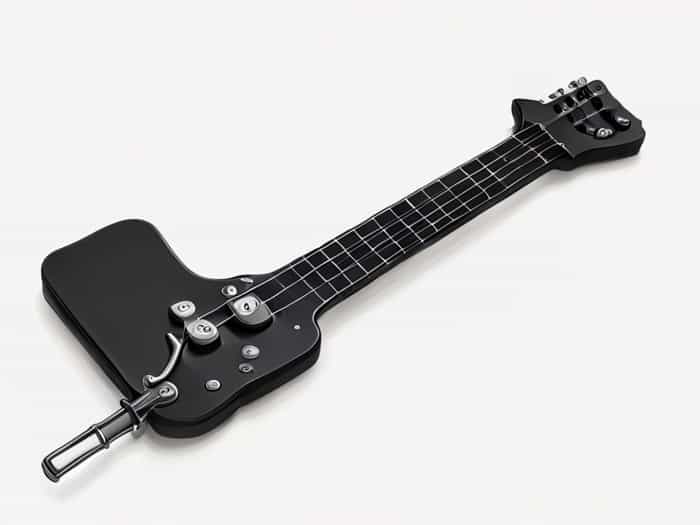
The Fender Squier whammy bar is one of the most recognizable tools for guitarists who love expressive playing and dynamic tone control. Often referred to as a tremolo arm, this simple metal bar allows players to bend notes, create vibrato, and add a unique character to their sound. Whether you’re playing a soft melodic solo or an intense rock riff, the whammy bar gives you the ability to shape your music with motion and emotion. Understanding how it works, how to install it, and how to use it properly can transform your playing experience and enhance your overall tone.
What Is a Fender Squier Whammy Bar?
The Fender Squier whammy bar is a component commonly found on Squier Stratocaster and other models inspired by Fender’s iconic designs. It connects to the guitar’s bridge, which is part of the tremolo system. When the player pushes or pulls the bar, it changes the tension on the strings, altering the pitch and creating that distinctive vibrato effect. Though it may look simple, the whammy bar plays a major role in the expressive capabilities of an electric guitar.
Difference Between Fender and Squier Versions
While Fender guitars are known for their premium hardware and finishes, Squier offers a more affordable version without compromising too much on performance. The Squier whammy bar works similarly to the one on a Fender Stratocaster, though it might feel slightly different due to variations in bridge design, materials, and thread size. Many Squier users upgrade or customize their whammy bars to improve feel and tuning stability, especially if they play frequently with heavy tremolo use.
How the Whammy Bar Works
The Fender Squier whammy bar operates by adjusting the bridge’s angle through the tremolo system. The bridge is mounted on springs at the back of the guitar, allowing it to move up or down. When the bar is pressed down, the strings loosen, lowering the pitch. When it’s pulled up, the strings tighten, raising the pitch. This mechanism allows for dramatic pitch bends, subtle vibrato, or creative sound effects that define many famous rock and blues solos.
- Push downDecreases the string tension for a lower pitch.
- Pull upIncreases string tension for a higher pitch.
- Neutral positionReturns the bridge to normal tuning balance.
Spring Tension and Balance
The feel of the whammy bar depends largely on the tension of the springs inside the back cavity of the guitar. Some players prefer tight tension for more control, while others loosen the springs for smoother movement. Finding the right balance ensures that your Squier guitar stays in tune while still allowing expressive use of the tremolo arm.
Installing a Fender Squier Whammy Bar
Installing or replacing a whammy bar on a Squier guitar is a straightforward process, but attention to detail is important. Most Squier Stratocasters have a screw-in style whammy bar that threads directly into the bridge block. Here’s a simple overview of how to install it
- Locate the tremolo hole on the bridge plate.
- Insert the threaded end of the whammy bar carefully into the hole.
- Turn it clockwise until it feels secure, but don’t overtighten.
- Adjust the angle of the bar so it’s comfortable for your playing style.
If the bar feels loose, you can use a small spring or rubber sleeve (often included in Fender or Squier models) to add resistance. This keeps the bar from wobbling and helps maintain stability during play.
Compatibility Tips
Not all whammy bars fit every Squier model. Some guitars have metric threads, while others use standard imperial sizes. It’s important to check the specifications or bring your old bar when buying a replacement. Many players also choose aftermarket whammy bars for a smoother feel or custom finish, such as chrome, black, or gold plating.
How to Use the Whammy Bar Effectively
Mastering the Fender Squier whammy bar requires both technique and restraint. Overuse can cause tuning instability, but when used skillfully, it can add expressive depth to your performance. The key is to understand how different motions create different sounds.
Basic Techniques
- Subtle VibratoGently move the bar up and down while sustaining a note for a smooth, vocal-like vibrato.
- Dive BombsPress the bar all the way down to dramatically lower the pitch, often used in rock or metal solos.
- Up BendsPull the bar upward to raise the pitch, ideal for dramatic musical tension.
- FlutterQuickly tap the bar and release it to create a fast, warbling effect.
Experimenting with these techniques will help you discover your own sound and control. The Squier’s tremolo system is ideal for beginners learning to integrate the whammy bar into their playing without the high cost of premium hardware.
Common Issues and How to Fix Them
While the Fender Squier whammy bar is fun to use, it can sometimes lead to tuning or stability issues if not properly maintained. Fortunately, most of these problems have simple solutions.
- Tuning instabilityCheck the nut slots and apply graphite or lubricant to reduce string friction.
- Bridge misalignmentAdjust the screws or spring tension to ensure the bridge returns to its neutral position.
- Loose barUse a tremolo arm spring or Teflon tape to tighten the fit.
- String breakageUse lighter whammy bar movements or smoother saddles to reduce stress on strings.
Maintaining Your Tremolo System
Keeping your Squier’s tremolo system clean and lubricated ensures long-lasting performance. Regularly check for rust or dirt around the bridge and springs. When changing strings, take a moment to inspect the tremolo cavity and make sure the springs are evenly tensioned. If you plan to perform heavy whammy bar tricks, consider upgrading to locking tuners or a roller nut for improved tuning stability.
Choosing the Right Whammy Bar Style
The Fender Squier whammy bar comes in several lengths and designs. The standard bent style is the most common, offering comfort and easy access while playing. Some players prefer shorter bars for subtle vibrato, while others choose longer ones for extended range. The material and coating also influence the feel stainless steel offers durability, while chrome and nickel finishes add classic looks to your instrument.
Customization Options
Guitarists often personalize their Squier guitars by customizing the whammy bar setup. This may include adding a tension-adjusting washer, using a floating tremolo configuration, or upgrading to a higher-quality tremolo bridge. These modifications can enhance playability and allow for more precise control of pitch effects.
Famous Guitarists Who Use the Whammy Bar
Many legendary guitarists have made the whammy bar a signature part of their style. From Jimi Hendrix’s soulful bends to Jeff Beck’s smooth vibrato and Eddie Van Halen’s dive bombs, the tremolo arm has shaped the sound of modern rock and blues. Even though the Squier models are more budget-friendly, they offer the same creative potential for players who want to explore expressive techniques.
- Jimi Hendrix Known for emotional vibrato and pitch manipulation.
- Jeff Beck Master of subtle, vocal-like whammy bar phrasing.
- Eddie Van Halen Popularized dive bombs and aggressive tremolo effects.
- David Gilmour Used gentle bar movements for atmospheric tones.
The Fender Squier whammy bar may seem like a small piece of metal, but in the hands of a creative player, it becomes a powerful musical tool. It bridges the gap between mechanical function and emotional expression, allowing guitarists to bring their sound to life. From soft vibrato to wild pitch dives, it adds movement and personality to your music. Whether you’re a beginner learning your first bends or an experienced player refining your technique, understanding the whammy bar will deepen your connection to your Squier guitar and open up endless sonic possibilities.