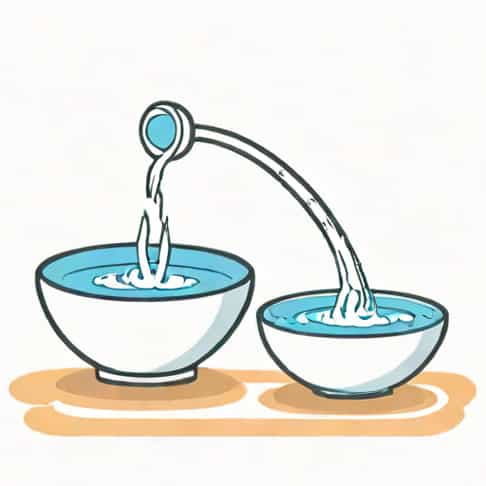
Maintaining the right humidity levels in a home or office is essential for comfort, health, and even the longevity of furniture and electronics. Dry air, especially during winter months or in air-conditioned spaces, can cause dry skin, irritation in the respiratory tract, and static electricity buildup. Many people look for simple, cost-effective ways to humidify a room, and one common suggestion is placing bowls of water around the space. But do bowls of water actually help humidify a room, and if so, how effective are they compared to other methods?
How Humidity Works
Humidity refers to the amount of water vapor present in the air. The higher the humidity, the more moisture is in the atmosphere. Ideal indoor humidity levels are usually between 30% and 50%, which helps maintain comfort and reduces the risk of health issues such as dry skin or respiratory problems. Increasing humidity can be achieved by introducing water vapor into the air, which can be done through natural evaporation, mechanical devices like humidifiers, or even plants.
The Principle of Evaporation
Evaporation is the process by which water changes from a liquid to a gas and enters the air as water vapor. When a bowl of water is left uncovered in a room, some of the water molecules escape into the air, slightly increasing the humidity. However, this process is influenced by several factors
- Room temperature Warmer air can hold more moisture, which increases evaporation rates.
- Air movement Fans or natural air currents can help water evaporate faster.
- Surface area A larger surface area of water allows more molecules to escape into the air.
- Relative humidity If the air is already very humid, evaporation slows down.
Effectiveness of Bowls of Water
While placing bowls of water in a room does technically release water vapor, the amount is generally very small. A typical bowl of water may only raise humidity by a fraction of a percent over several hours, depending on the room size and environmental conditions. This means that for most rooms, using bowls of water alone is unlikely to reach optimal humidity levels, especially in very dry environments.
Factors Affecting Humidification
- Room size Larger rooms require more moisture to noticeably change humidity levels.
- Number of bowls Multiple bowls in different locations can increase overall effect, but still may not be sufficient for large areas.
- Water temperature Warm water evaporates faster than cold water, slightly increasing efficiency.
- Placement Bowls placed near heat sources or air vents will evaporate more quickly.
Alternative Methods to Humidify
Given the limitations of bowls of water, other methods are often more practical and efficient for maintaining desired humidity levels. Mechanical humidifiers, for example, actively disperse water vapor into the air using ultrasonic technology or steam. Houseplants can also contribute to humidity through a process called transpiration, where water is released from leaves into the surrounding air.
Types of Humidifiers
- Cool mist humidifiers Use ultrasonic vibrations or a fan to release cool water vapor.
- Warm mist humidifiers Boil water to create steam, which increases humidity while also reducing bacteria.
- Evaporative humidifiers Use a wick or filter to draw water and a fan to spread moisture.
Natural Humidification Methods
- Houseplants Certain plants like peace lilies or ferns naturally release moisture.
- Air drying laundry indoors Moisture from clothes evaporates into the air.
- Boiling water on the stove Quickly adds large amounts of water vapor, but requires supervision.
Health and Safety Considerations
When attempting to humidify a room, it’s important to avoid excessive humidity. Too much moisture can promote mold growth, dust mites, and other allergens, potentially creating health hazards. Bowls of water are unlikely to cause over-humidification, but mechanical humidifiers should be monitored to maintain safe levels. Using water safely, regularly cleaning containers, and monitoring humidity with a hygrometer are important practices.
Monitoring Humidity
To ensure a room is properly humidified, using a hygrometer can provide accurate measurements. Target indoor humidity levels are generally between 30% and 50%. Adjusting the number of bowls, the use of humidifiers, or placement of plants can help achieve these levels without over-humidifying the space.
In summary, bowls of water can contribute to increasing indoor humidity through natural evaporation, but their effect is limited. They are best used as a supplementary method rather than a primary solution for dry air. Environmental factors such as room size, temperature, air movement, and water surface area all influence how much humidity is added. For more effective humidification, mechanical humidifiers, houseplants, or natural evaporation methods like drying clothes indoors can provide faster and more reliable results. Monitoring humidity levels ensures that indoor air remains comfortable and healthy, preventing issues related to both dryness and excessive moisture.