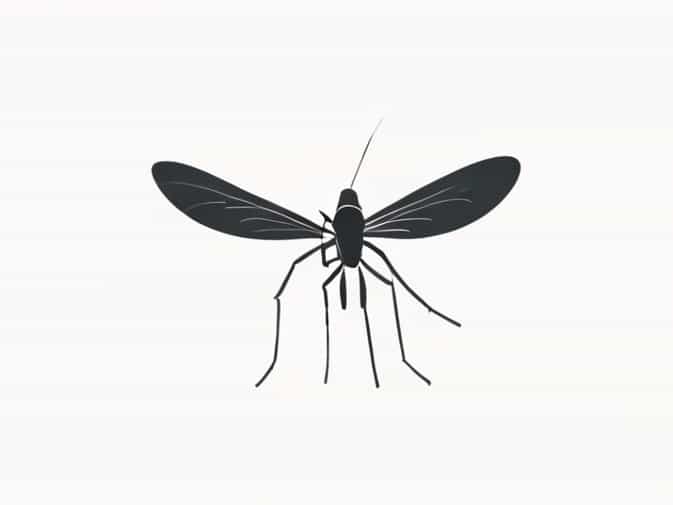
The bionomics of Anopheles mosquitoes is a critical area of study in entomology and public health due to the role these insects play in transmitting malaria, one of the deadliest vector-borne diseases worldwide. Understanding the biology, behavior, ecology, and life cycle of Anopheles species is essential for designing effective control strategies and reducing malaria transmission. The term bionomics encompasses all aspects of an organism’s interaction with its environment, including feeding habits, breeding preferences, survival strategies, and population dynamics. Studying Anopheles mosquitoes provides insights into their adaptation mechanisms, host-seeking behavior, and responses to environmental changes, which are vital for integrated vector management programs.
Life Cycle of Anopheles Mosquitoes
Anopheles mosquitoes undergo complete metamorphosis, consisting of four stages egg, larva, pupa, and adult. Each stage has distinct ecological requirements and behavioral patterns, which influence mosquito population dynamics and disease transmission potential.
Egg Stage
Female Anopheles mosquitoes lay eggs on the surface of clean, stagnant water. Eggs are often laid singly rather than in clusters, and they possess air floats that allow them to remain buoyant. Temperature and water quality significantly affect egg viability, with optimal hatching occurring within 2 3 days under favorable conditions.
Larval Stage
The larval stage is aquatic and consists of four instars. Anopheles larvae are filter feeders, feeding on microorganisms and organic matter suspended in water. They exhibit characteristic resting behavior parallel to the water surface, which differentiates them from other mosquito genera. Larvae breathe through siphons or spiracles, making them sensitive to water pollution and oxygen levels. Predation, water temperature, and nutrient availability play critical roles in larval survival.
Pupal Stage
Pupae are non-feeding and represent a transitional stage between larva and adult. They float on the water surface and are highly mobile, responding to light and vibration. Pupae remain in this stage for 2 3 days, during which metamorphosis occurs. Environmental stressors, such as temperature fluctuations and pollutants, can influence pupal development and survival rates.
Adult Stage
The adult stage is crucial for disease transmission. Males typically feed on nectar and plant juices, whereas females require blood meals for egg development. Anopheles adults are crepuscular or nocturnal, with peak biting activity often occurring during dawn and dusk. Adult lifespan ranges from 1 to 2 weeks in natural conditions, but factors like humidity, temperature, and predation influence longevity. Females exhibit selective host-seeking behavior, often preferring humans, which is a key factor in malaria epidemiology.
Feeding Behavior and Host Preferences
Female Anopheles mosquitoes are hematophagous, meaning they feed on blood to obtain nutrients for egg production. Their host selection is influenced by environmental cues, carbon dioxide concentration, body odor, and visual signals. Some species demonstrate anthropophilic behavior, preferring human hosts, while others are zoophilic, feeding on animals. Understanding feeding patterns is crucial for predicting malaria transmission risk and implementing vector control measures.
Blood Feeding and Reproductive Cycle
After obtaining a blood meal, females undergo oogenesis, developing eggs within their ovaries. The gonotrophic cycle, which includes feeding, egg maturation, and oviposition, typically lasts 2 3 days depending on environmental conditions. Repeated blood feeding increases the likelihood of pathogen transmission, making high-density mosquito populations particularly dangerous in endemic regions.
Breeding Habitats and Environmental Preferences
Anopheles mosquitoes are highly adaptive to specific breeding habitats. They generally prefer clean, unpolluted water for oviposition, including ponds, marshes, rice paddies, and temporary rain pools. Vegetation around breeding sites provides shelter and enhances larval survival by maintaining water quality and temperature. Environmental changes such as urbanization, deforestation, and climate variability can significantly alter mosquito breeding patterns and population density.
Temperature and Humidity Effects
Temperature and humidity influence Anopheles mosquito development, survival, and biting activity. Higher temperatures accelerate larval and pupal development, reducing the duration of immature stages and increasing the potential for more frequent gonotrophic cycles. Humidity affects adult survival and activity, with low humidity leading to desiccation and decreased lifespan. These factors are critical in understanding seasonal variations in mosquito populations and malaria transmission intensity.
Flight Range and Dispersal
Anopheles mosquitoes typically have a limited flight range, often not exceeding a few kilometers from their breeding sites. However, environmental factors such as wind patterns, availability of hosts, and landscape features can influence dispersal. Limited dispersal ranges mean that localized control measures, such as larviciding or habitat modification, can be highly effective if strategically implemented. Migration and passive transport via human activity may occasionally extend their range, contributing to the spread of malaria in new areas.
Resting and Shelter Behavior
Adult Anopheles mosquitoes exhibit specific resting behaviors that affect their exposure to control measures. Endophilic species rest indoors after feeding, while exophilic species prefer outdoor shelters. Knowledge of resting preferences guides interventions such as indoor residual spraying and the strategic placement of insecticide-treated nets. Resting behavior is influenced by temperature, humidity, light, and availability of hiding spots, making it an essential factor in vector ecology studies.
Vector Competence and Disease Transmission
Not all Anopheles species are equally competent vectors of malaria. Vector competence depends on physiological, behavioral, and ecological traits that allow the mosquito to acquire, maintain, and transmit Plasmodium parasites. Factors such as feeding frequency, longevity, host preference, and susceptibility to infection determine the efficiency of transmission. Understanding bionomics aids in identifying high-risk vector species and prioritizing them in control programs.
Seasonal and Geographic Variation
Anopheles mosquito populations exhibit seasonal and geographic variation. In tropical regions, breeding may occur year-round, whereas in temperate regions, mosquito activity is often limited to warmer months. Rainfall patterns, temperature fluctuations, and habitat availability drive seasonal abundance, directly influencing malaria epidemiology. Geographic variation in species composition also affects transmission dynamics, as different Anopheles species vary in vector competence.
Control Strategies Based on Bionomics
Knowledge of Anopheles bionomics underpins integrated vector management strategies. Control methods include habitat modification, larviciding, use of insecticide-treated nets, indoor residual spraying, and biological control using predators or pathogens. Understanding mosquito behavior, breeding preferences, and seasonal dynamics allows for targeted interventions that maximize efficiency and minimize environmental impact.
Community Engagement and Environmental Management
Successful mosquito control often requires community participation. Environmental management, such as removing standing water, maintaining clean surroundings, and promoting drainage, can significantly reduce breeding sites. Education about peak biting times and use of protective measures enhances community-level protection. Combined with chemical and biological control, such strategies reduce Anopheles populations and malaria transmission risk effectively.
The bionomics of Anopheles mosquitoes provides comprehensive insight into their life cycle, behavior, feeding patterns, breeding ecology, and vector competence. These factors collectively determine malaria transmission potential and inform effective control measures. By understanding their interaction with the environment, researchers and public health professionals can design targeted interventions, predict seasonal risk, and implement sustainable strategies to reduce the burden of malaria. Studying Anopheles bionomics remains essential for global health initiatives aiming to prevent and eliminate malaria in endemic regions.