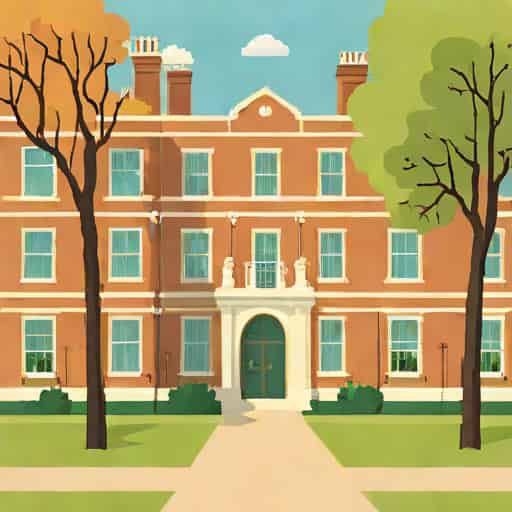
Holland Park in London is one of the city’s most picturesque and tranquil green spaces, offering a retreat from the bustling streets while providing cultural and recreational opportunities. Located in the Royal Borough of Kensington and Chelsea, this 54-acre park combines beautifully landscaped gardens, historic features, and areas of natural woodland. Known for its blend of formal and informal landscapes, Holland Park is a favorite spot for both locals and tourists seeking relaxation, outdoor activities, or cultural experiences. Its reputation for beauty, accessibility, and rich history makes it a notable destination in London’s extensive network of parks and gardens. From seasonal floral displays to events in its open-air theater, the park serves as both a natural oasis and a cultural hub, attracting visitors throughout the year.
History and Origins
Holland Park traces its origins back to the 18th century when it was part of the extensive grounds of Holland House, a grand mansion built in 1605 for Sir Walter Cope. The house and estate became an important cultural center during the 19th century, hosting prominent writers, politicians, and artists. Holland House was largely destroyed during World War II, but parts of its historic ruins remain, offering a glimpse into the park’s storied past. The transformation from a private estate to a public park was gradual, with the Royal Borough of Kensington and Chelsea opening parts of the land to the public in the late 19th and early 20th centuries. Today, visitors can enjoy both the park’s natural beauty and its historic architecture, creating a blend of heritage and greenery that is uniquely London.
Holland House and Cultural Legacy
The remnants of Holland House are a reminder of the estate’s historical and cultural significance. The mansion was once a gathering place for intellectuals, including poets and politicians, who contributed to London’s cultural life. The surviving structures, set amid formal gardens and lawns, provide context for the park’s evolution from private grounds to a public green space. Visitors often explore the ruins and nearby landscaped areas, appreciating both the historical atmosphere and the park’s serene environment.
Gardens and Natural Landscapes
Holland Park is celebrated for its diverse landscapes, which range from manicured gardens to areas of natural woodland. The park’s Japanese Garden is one of its most famous features, featuring a koi pond, stone lanterns, and seasonal cherry blossoms that create a tranquil setting. Formal gardens, including flowerbeds, hedgerows, and lawns, are meticulously maintained and provide a picturesque setting for walking or relaxation. In addition, woodland areas and meandering paths offer a more natural experience, allowing visitors to explore wildflowers, birdlife, and shaded trails.
Japanese Garden and Wildlife
The Kyoto Garden, as the Japanese Garden is also known, reflects traditional Japanese design principles, with a combination of water features, rocks, and carefully pruned trees. Koi fish swimming in the pond add to the garden’s charm, while seasonal changes in foliage provide a continually evolving landscape. In addition to its gardens, Holland Park supports wildlife including various species of birds, foxes, and butterflies, creating opportunities for nature observation in the heart of London.
Recreational Activities
Holland Park is a versatile space that offers a wide range of recreational activities for visitors of all ages. Walking and jogging paths weave through gardens and wooded areas, while open lawns provide space for picnics, casual sports, and family gatherings. The park also features tennis courts and a children’s playground, making it a popular destination for families. Seasonal events and open-air performances further enrich the visitor experience, combining leisure with cultural engagement.
Open-Air Theatre
The Holland Park Theatre is a notable feature within the park, offering free or low-cost outdoor performances, primarily during the summer months. Productions range from classical plays to modern interpretations, attracting both locals and tourists. This open-air venue combines the charm of outdoor theatre with the park’s scenic setting, creating a unique cultural experience that integrates art and nature. Visitors can bring picnics, enjoy performances on grassy terraces, and engage with London’s vibrant performing arts scene in an intimate environment.
Events and Community Engagement
Throughout the year, Holland Park hosts a variety of events that engage the local community and visitors. Seasonal festivals, outdoor concerts, and cultural celebrations contribute to the park’s role as a social hub. The park also supports educational programs, workshops, and volunteer activities that encourage community involvement and environmental stewardship. These initiatives help maintain the park’s beauty and promote awareness of conservation and heritage in an urban setting.
Seasonal Highlights
- Spring Cherry blossoms in the Japanese Garden
- Summer Open-air theatre performances and musical events
- Autumn Colorful foliage throughout woodland areas
- Winter Festive light displays and holiday-themed activities
These seasonal highlights ensure that Holland Park remains attractive year-round, offering new experiences with each visit and appealing to both first-time visitors and regular guests.
Accessibility and Location
Located in West London, Holland Park is easily accessible by public transportation, including the London Underground, buses, and cycling routes. The park is bordered by Holland Park Avenue, Kensington High Street, and other major roads, making it convenient for both local residents and tourists. Its central location allows visitors to combine a park visit with exploration of nearby attractions, shopping districts, and cultural institutions. Well-maintained paths, seating areas, and signage ensure that the park is navigable and enjoyable for visitors of all abilities.
Nearby Attractions
- Leighton House Museum – Victorian art and architecture
- Kensington High Street – Shopping and dining options
- Royal Albert Hall – World-renowned music venue
- Notting Hill – Iconic London neighborhood
These nearby attractions make Holland Park an ideal base for exploring West London, combining natural beauty with cultural and urban experiences.
Gardening and Conservation Efforts
Holland Park emphasizes sustainability and conservation within its management practices. The park’s horticultural teams maintain formal gardens, wildflower areas, and woodland spaces to support biodiversity and ecological balance. Programs aimed at promoting environmental awareness and engagement with nature encourage visitors to appreciate and protect urban green spaces. Conservation initiatives include planting native species, supporting pollinators, and preserving historic structures, ensuring that the park’s natural and cultural assets endure for future generations.
Educational Programs
- Guided tours of gardens and historical areas
- Workshops on horticulture and sustainable gardening
- Community volunteer opportunities for park maintenance
- School programs to educate children about ecology and history
Holland Park in London is more than a green space; it is a cultural, historical, and recreational landmark that offers diverse experiences for visitors. From its origins as the estate of Holland House to its role today as a public park with gardens, woodlands, and a vibrant theatre, the park combines natural beauty with rich cultural heritage. Whether enjoying the serenity of the Japanese Garden, attending an outdoor theatre performance, or exploring walking paths and recreational facilities, visitors can immerse themselves in the park’s unique atmosphere. Holland Park demonstrates how urban green spaces can provide a blend of relaxation, education, and cultural enrichment, making it a must-visit destination in London.