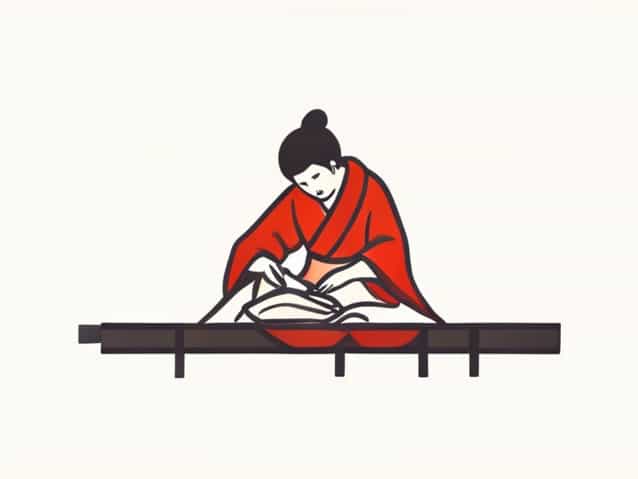
The Japanese art of mending clothes is a fascinating tradition that combines practicality, creativity, and philosophy. Known as kintsugi for pottery and sashiko for textiles, this approach celebrates imperfection and the beauty of repair. In the context of clothing, the art of mending goes beyond simply fixing tears or holes-it transforms worn garments into objects of beauty, preserving their history and extending their lifespan. This tradition reflects a broader cultural value in Japan that honors sustainability, patience, and respect for objects, encouraging individuals to care for their belongings rather than discarding them. Exploring this art form reveals not only unique techniques but also a philosophy of mindful living and appreciation for impermanence.
Origins and Philosophy
The Japanese art of mending clothes has deep roots in the country’s history, dating back hundreds of years. Traditionally, Japanese society valued frugality and resourcefulness, particularly in rural communities where materials were scarce. Rather than throwing away damaged clothing, people developed meticulous techniques to repair garments. This approach aligns with the broader cultural philosophy of wabi-sabi, which finds beauty in imperfection, impermanence, and the natural cycle of wear and tear. By mending clothes visibly, rather than hiding flaws, individuals celebrate the garment’s journey and the effort invested in preserving it.
The Influence of Sashiko
Sashiko is a traditional Japanese stitching technique that plays a central role in clothing repair. Originally developed in northern Japan, sashiko involves running stitches arranged in geometric patterns to reinforce or repair fabric. This method was initially used to strengthen workwear, particularly for farmers and fishermen, providing durability and warmth. Over time, sashiko evolved into an artistic practice, with patterns becoming increasingly intricate and decorative. The technique allows menders to transform rips, holes, or worn areas into visually appealing designs, turning utility into art.
Techniques Used in Japanese Mending
Japanese clothing repair techniques are both practical and aesthetic. They involve various methods that balance functionality with design. Some of the most notable techniques include
Visible Mending
Visible mending is a method where repairs are deliberately showcased rather than concealed. The technique emphasizes the beauty of stitching and fabric patterns, transforming flaws into decorative elements. This approach encourages creativity, allowing each repair to become unique and meaningful. By highlighting repairs, visible mending also communicates respect for the garment’s history and durability.
Patching
Patching involves applying additional pieces of fabric to reinforce or cover damaged areas. In Japanese mending, patches are often selected to complement or contrast with the original fabric, creating an artistic effect. Patching is especially effective for large tears or worn-out sections, and it can extend the life of garments that would otherwise be discarded.
Sashiko Stitching
Sashiko stitching uses repetitive, even running stitches in patterns such as grids, diamonds, or waves. The stitches are not only functional, strengthening weak areas, but also decorative, adding texture and visual interest. Sashiko is versatile and can be applied to jackets, jeans, coats, and even household textiles. The combination of strength and beauty makes it a defining feature of Japanese clothing repair.
Boro Technique
Boro is another Japanese tradition closely associated with mending. It involves layering patches and stitching to create a quilted effect, often using indigo-dyed fabrics. Boro was originally a practice of necessity in rural communities, where fabric scraps were precious. Over time, boro became celebrated for its aesthetic qualities, symbolizing resilience, thrift, and ingenuity. Each boro garment tells a story through its layers and patterns, reflecting the passage of time and the care invested in its upkeep.
Cultural Significance
The Japanese art of mending clothes is more than a practical skill; it carries deep cultural significance. Mending embodies respect for materials, mindfulness, and a sustainable approach to consumption. In a society that values craftsmanship, repairing garments is seen as an act of care and responsibility. Rather than contributing to waste, individuals preserve the energy and resources embedded in clothing. This mindset aligns with contemporary environmental concerns, offering lessons in sustainability and thoughtful living.
Philosophy of Imperfection
Wabi-sabi philosophy underpins the cultural importance of mending in Japan. By embracing imperfections and celebrating repaired garments, Japanese mending practices encourage acceptance of change and impermanence. Stitches, patches, and layers become symbols of resilience and beauty, reminding wearers and observers that flaws can enhance character rather than diminish value. This approach challenges modern consumer culture, which often prioritizes newness over history or longevity.
Storytelling Through Fabric
Each repaired garment carries a story. The visible stitches, carefully chosen patches, and layered textures document the garment’s life, including wear, damage, and care. This storytelling aspect connects the wearer to the history of the fabric and the hands that repaired it. The act of mending becomes a personal and meaningful ritual, strengthening the relationship between the individual and their belongings.
Modern Applications
Today, Japanese mending techniques have gained international attention, inspiring artisans, designers, and sustainable fashion advocates. Visible mending, sashiko, and boro are now celebrated in global craft communities, workshops, and fashion collections. These techniques are used not only for clothing repair but also for creative expression, highlighting the intersection of utility and art. Modern enthusiasts often adapt traditional methods to contemporary fabrics, garments, and aesthetics, keeping the practice alive while introducing innovation.
Workshops and Learning
Many craft schools and online platforms now offer workshops to learn Japanese mending techniques. Participants learn sashiko stitching, patchwork, and boro layering, gaining hands-on experience in repairing garments creatively. These workshops emphasize patience, precision, and mindfulness, reflecting the philosophical aspects of the practice. By learning these techniques, individuals can incorporate sustainability into their daily lives while appreciating the artistry of textile repair.
Sustainable Fashion Movement
The art of mending clothes resonates with the modern sustainable fashion movement. With growing awareness of the environmental impact of fast fashion, visible mending offers a way to extend garment life and reduce waste. By adopting Japanese techniques, consumers can create personalized, durable, and meaningful clothing, aligning ethical consumption with creativity. Fashion brands have also embraced sashiko and boro-inspired designs, bridging traditional craft with contemporary aesthetics.
Practical Tips for Mending Clothes
For anyone interested in Japanese mending, there are practical tips to get started
- Start with simple running stitches to repair small tears and gradually learn more complex sashiko patterns.
- Use contrasting threads to highlight repairs or matching threads for subtle reinforcement.
- Gather fabric scraps for boro layering, combining colors and textures for visual interest.
- Experiment with patch placement and stitch designs to create decorative effects.
- Practice patience and mindfulness, treating mending as both a craft and a meditative activity.
The Japanese art of mending clothes is a rich tradition that blends practicality, creativity, and philosophy. Techniques like sashiko and boro elevate garment repair to an art form, turning flaws into decorative features and celebrating imperfection. Beyond aesthetics, these practices reflect cultural values of sustainability, mindfulness, and respect for materials. In the modern era, Japanese mending has inspired a global audience, offering lessons in sustainable fashion and the beauty of repaired objects. Whether for functional repair or artistic expression, the Japanese art of mending clothes continues to captivate, demonstrating that care, patience, and creativity can transform even the simplest acts of sewing into meaningful art.