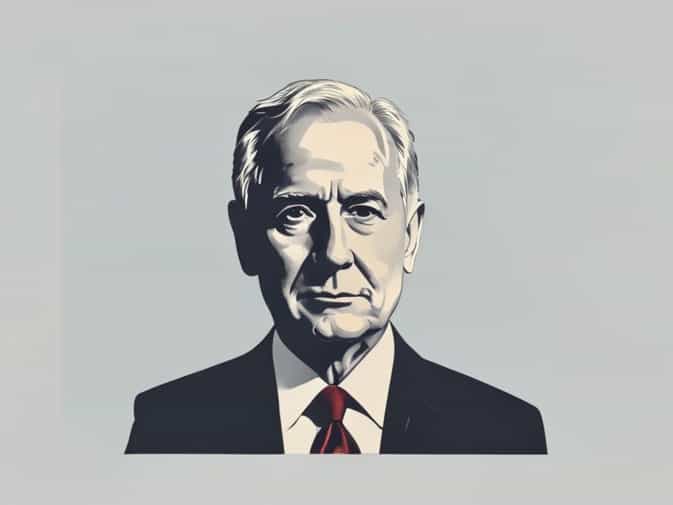
Ron DeSantis has been a prominent figure in American politics, particularly in the state of Florida, where he has served as governor. His policies, leadership style, and public statements have made him a widely discussed figure on both local and national stages. Understanding how Ron DeSantis is doing today involves looking at his political career, current initiatives, public perception, and the challenges he faces as a high-profile leader. Evaluating his impact requires examining his governance, policy decisions, and the response from both supporters and critics, offering a comprehensive view of his role in shaping contemporary political discourse.
Early Life and Career
Ron DeSantis was born on September 14, 1978, in Jacksonville, Florida. He pursued higher education at Yale University, where he earned a degree in history, and later attended Harvard Law School. DeSantis served in the U.S. Navy as a Judge Advocate General (JAG) officer, gaining experience in military law and leadership. His early career provided a foundation for his later political work, emphasizing discipline, public service, and legal expertise. These formative experiences helped shape his approach to governance and policy-making.
Political Rise
DeSantis began his political career as a U.S. Representative for Florida’s 6th congressional district, serving from 2013 to 2018. During his tenure in Congress, he focused on issues such as fiscal responsibility, military affairs, and conservative social policies. His alignment with national conservative movements and support for key Republican initiatives helped him gain recognition as a rising star in the party. His political strategy emphasized strong stances on immigration, economic reform, and education policy, which later influenced his campaign for governor.
Governorship in Florida
Ron DeSantis was elected governor of Florida in 2018. His tenure has been marked by significant policy initiatives and controversial decisions, making him a polarizing figure in both the state and nationwide. Key areas of focus include
COVID-19 Response
One of the most discussed aspects of DeSantis’s governorship was his response to the COVID-19 pandemic. He opted for fewer restrictions compared to other states, emphasizing economic stability, personal freedom, and parental choice in education. His policies included reopening businesses, opposing prolonged lockdowns, and limiting mask mandates in schools. Supporters praised these measures as protective of individual liberties and the economy, while critics argued that they may have increased health risks and hospital strain.
Education and Curriculum Policies
Education has been a central focus of DeSantis’s administration. He has advocated for curriculum reforms, emphasizing parental involvement and the teaching of American history from a conservative perspective. Policies addressing critical race theory, LGBTQ+ topics, and school choice have generated significant debate. Supporters argue these reforms improve transparency and parental control in education, while opponents see them as restrictive or politically motivated.
Public Perception and Media Coverage
Ron DeSantis’s public image is a mixture of strong approval among conservative circles and criticism from liberal groups. Media coverage often highlights his assertive political style, willingness to confront federal policies, and vocal participation in national debates. His approach to issues such as pandemic management, immigration enforcement, and social policy has attracted national attention, positioning him as a potential figure for higher office. Public perception varies significantly across different demographics and political affiliations.
Economic Policies
Economic growth and job creation have also been focal points during DeSantis’s administration. Policies promoting low taxation, business-friendly regulations, and infrastructure investment have been emphasized. Florida’s economy has experienced resilience, with population growth and business relocations often cited as indicators of success. However, challenges such as income inequality, housing affordability, and climate-related risks continue to shape discussions about the long-term impact of his economic strategies.
Challenges and Criticisms
DeSantis faces ongoing challenges in managing political, social, and environmental issues in Florida. Critics highlight concerns about healthcare access, public health management, environmental conservation, and civil liberties. Additionally, his national profile has intensified scrutiny, with every policy decision analyzed for broader implications. Balancing state priorities with national ambitions presents a complex challenge, influencing both his policy decisions and public messaging.
National Ambitions
Ron DeSantis is frequently discussed in the context of national politics, including potential presidential aspirations. His policies and public statements are often interpreted as positioning him for a larger stage, with supporters seeing him as a conservative leader capable of addressing nationwide concerns. This visibility brings both opportunities and challenges, as media scrutiny, political opposition, and public expectations increase. His ability to navigate these pressures affects how he is perceived as a leader and public figure.
Personal Life and Public Image
Beyond politics, Ron DeSantis maintains a family-focused image. He is married to Casey DeSantis, and together they have children. The family’s public appearances and community involvement contribute to his personal brand, emphasizing values such as family, service, and dedication. This aspect of his life often complements his political messaging, reinforcing his connection with constituents who value family-oriented leadership.
Communication Style
DeSantis is known for his direct and assertive communication style. He frequently engages with the media, participates in debates, and uses social media to connect with supporters. This approach has helped him build a distinct political identity, marked by confidence, decisiveness, and a willingness to challenge opponents. His communication style also plays a critical role in shaping public perception, influencing both approval ratings and national recognition.
Looking Ahead
Assessing how Ron DeSantis is doing today requires considering both his accomplishments and ongoing challenges. He continues to implement policies aimed at economic growth, education reform, and public health management. At the same time, he navigates criticism, political opposition, and national attention, which shape his influence and effectiveness. Future developments in Florida and national politics will further define his legacy and public standing. Observers closely monitor his policy outcomes, electoral performance, and public engagements to gauge his trajectory.
Ron DeSantis remains a central figure in contemporary American politics. His governorship has been marked by bold policies, public debate, and significant media coverage. Evaluating how he is doing involves understanding his achievements, challenges, and the complex interplay of state and national politics. From economic initiatives and education reforms to pandemic response and public image, DeSantis’s actions continue to shape Florida and influence national conversations. His ongoing career reflects both the opportunities and responsibilities of high-profile political leadership in a rapidly changing landscape.