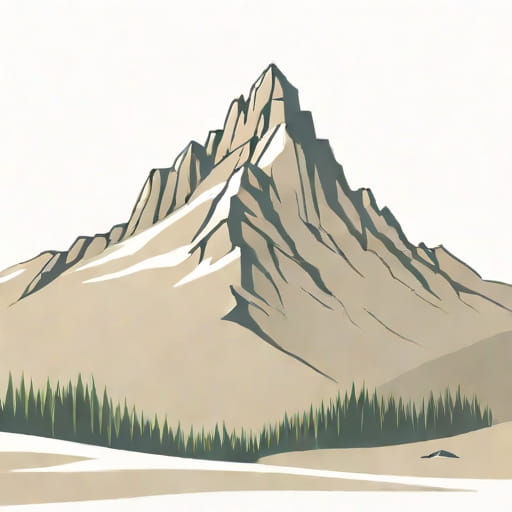
The Ural Mountains, stretching approximately 2,500 kilometers from the Arctic Ocean in the north to the Ural River and northwestern Kazakhstan in the south, are a fascinating geographical feature that serves as the natural boundary between Europe and Asia. These mountains are rich in minerals, diverse in landscapes, and steeped in history. Among the many peaks that dot the Urals, some stand out due to their height, prominence, and challenging terrains. Climbers, geographers, and nature enthusiasts often ask about the highest mountain in the Urals, a peak that not only represents a geographic record but also offers breathtaking views and ecological significance. Understanding the tallest peak in this mountain range involves exploring its location, geology, climate, flora and fauna, and significance for adventure and science alike.
Overview of the Ural Mountains
The Ural Mountains are one of the oldest mountain ranges in the world, dating back more than 250 million years. They are composed mainly of ancient crystalline rocks such as granite, gneiss, and quartzite, along with sedimentary formations that create a diverse landscape. The range is divided into several sections, including the Polar Urals, the Nether-Polar Urals, the Northern Urals, the Central Urals, and the Southern Urals. Each section has distinct features, from rugged peaks and deep valleys to rolling hills and plateaus.
Geographical Importance
- The Urals form a natural division between Europe and Asia, influencing cultural, economic, and climatic differences across the region.
- They are rich in mineral resources, including iron, copper, gold, and precious stones, which have contributed to industrial development in Russia.
- The mountain range acts as a climate barrier, with colder conditions to the east and more temperate climates to the west.
The Highest Mountain in the Urals
The highest peak in the Ural Mountains is Mount Narodnaya, also known as People’s Mountain. Standing at approximately 1,894 meters (6,214 feet) above sea level, it is located in the northern part of the Urals, in the Komi Republic near the border with Khanty-Mansi Autonomous Okrug. Mount Narodnaya is part of the Subpolar Urals, a section characterized by harsh weather conditions, glacial features, and rugged terrain. Its height, although modest compared to peaks in the Himalayas or the Alps, makes it the tallest in the Urals and a prominent landmark for geographers and mountaineers.
Location and Accessibility
Mount Narodnaya is situated in a remote and sparsely populated region, making access challenging. The nearest settlements are small towns and villages that serve as starting points for expeditions. Visitors typically require careful planning, as transportation options are limited and weather conditions can be unpredictable. Hiking and climbing expeditions are often organized during the brief summer months, when snow and ice recede, allowing for safer travel.
Geological Features
Mount Narodnaya, like the rest of the Urals, is composed of ancient metamorphic rocks such as gneiss, schist, and quartzite. Its rugged ridges, rocky outcrops, and glacial valleys reflect millions of years of geological processes, including folding, faulting, and erosion. The mountain’s formation provides valuable insights into the Earth’s ancient history, and its rocks often contain fossils and mineral deposits that are of interest to scientists.
Climate and Environmental Conditions
The climate around Mount Narodnaya is harsh and subarctic. Winters are long, extremely cold, and snowy, while summers are short and cool. Average temperatures in winter can drop below -30°C (-22°F), and strong winds often sweep across the exposed ridges. These conditions make climbing and hiking challenging, requiring proper equipment and experience. Despite the harsh climate, the region supports unique ecosystems and wildlife adapted to cold environments.
Flora and Fauna
- The lower slopes of Mount Narodnaya are covered with taiga forests, consisting primarily of coniferous trees such as spruce, fir, and pine.
- Higher altitudes feature alpine tundra with mosses, lichens, and hardy shrubs that withstand the cold and wind.
- Wildlife includes reindeer, Arctic foxes, hares, and various bird species, which migrate seasonally or are permanent residents.
- The mountain streams and rivers support fish species adapted to cold, fast-flowing waters.
Mountaineering and Adventure
Although Mount Narodnaya is not the highest peak globally, it presents significant challenges for climbers due to its remote location, harsh climate, and rugged terrain. Expeditions require careful preparation, including survival gear, weather monitoring, and navigation skills. Hikers and adventurers often undertake multi-day treks to reach the summit, experiencing the unique natural beauty of the Subpolar Urals along the way.
Popular Routes and Safety
- Most climbers approach from the south or southeast, following river valleys and trails through dense forests.
- Experienced guides are recommended due to the remoteness and potential hazards such as sudden storms and unstable terrain.
- Summiting during the summer months is preferred, as snow and ice are reduced and daylight is longer.
- Safety measures include carrying GPS devices, emergency communication equipment, and adequate food and water supplies.
Cultural and Historical Significance
Mount Narodnaya holds cultural importance for the indigenous peoples of the region, including the Komi and Mansi. It has been referenced in local folklore, often symbolizing endurance, strength, and the natural beauty of the northern Urals. Historically, the mountain has served as a geographic landmark for explorers, traders, and scientists studying the vast Russian territories. Today, it continues to attract not only climbers but also researchers interested in geology, ecology, and climate science.
Scientific Research
- Geologists study the mountain to understand the formation and evolution of the Ural Mountains.
- Ecologists monitor the flora and fauna to track climate change impacts in subarctic environments.
- Hydrologists study the rivers and streams originating from the mountain to understand water flow and sediment transport.
- Climate scientists use weather data from the region to model extreme northern climates.
Mount Narodnaya, as the highest mountain in the Ural range, represents more than just an altitude record. It is a symbol of the natural splendor, geological history, and ecological diversity of one of the world’s oldest mountain ranges. Its remote location, challenging climate, and rugged terrain make it a destination for adventurers and researchers alike, offering unique insights into the northern Urals’ environment. Understanding its geography, climate, flora and fauna, and cultural significance provides a comprehensive picture of why Mount Narodnaya holds such a prominent place in the study of the Urals. Whether for scientific research, mountaineering, or appreciation of natural beauty, this peak remains a remarkable feature of Europe and Asia’s shared geography.