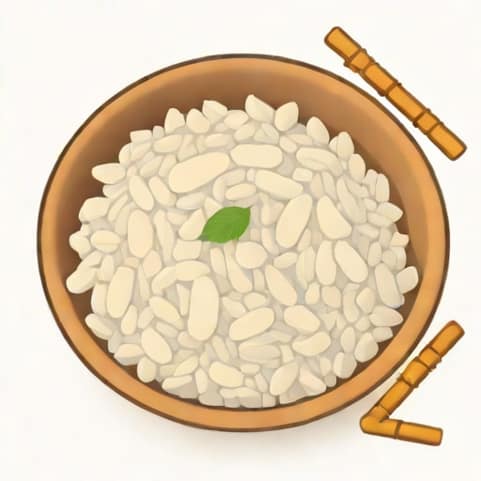
Thai white glutinous rice, often referred to as sticky rice, is a staple food in many Southeast Asian countries, especially in Thailand, Laos, and parts of Cambodia. This unique type of rice is known for its soft, chewy texture and slightly sweet flavor when cooked. Unlike regular rice varieties, glutinous rice has a high starch content that allows it to stick together, making it perfect for eating with hands, shaping into balls, or using in traditional desserts. Its cultural and culinary importance in Thailand is profound, as it is often served with savory dishes, grilled meats, and exotic fruits, creating a harmonious blend of flavors that is both satisfying and comforting. Understanding Thai white glutinous rice opens a window into the rich culinary traditions of the region.
Origin and Cultivation
Thai white glutinous rice is primarily grown in the northeastern region of Thailand, known as Isan. The fertile plains and warm climate provide ideal conditions for cultivating this sticky rice. Farmers traditionally plant the rice in flooded paddies, allowing the grains to absorb enough water for proper growth. Harvesting is often done by hand, and the rice undergoes careful drying and milling processes to maintain its quality. Because glutinous rice is highly valued, it is often sold at a premium compared to standard white rice. The cultivation techniques have been passed down through generations, ensuring that the rice retains its authentic texture and flavor.
Varieties of Thai White Glutinous Rice
There are several varieties of Thai white glutinous rice, each with slight differences in texture and aroma. Some of the most popular types include
- Hom Mali Glutinous RiceKnown for its fragrant aroma and soft texture, it is a premium variety often used for desserts.
- San Patong RiceA sticky rice that holds its shape well, making it ideal for grilling or steaming in banana leaves.
- Kho Hom RiceThis variety is slightly sweeter and is commonly used in traditional Thai sweets and mango sticky rice dishes.
Nutritional Value
Thai white glutinous rice is a source of carbohydrates and provides energy for daily activities. While it has a similar calorie count to other types of rice, it contains less protein and negligible fat. It is gluten-free, making it suitable for people with gluten intolerance. Additionally, glutinous rice is easy to digest, which makes it a preferred choice for people seeking a light and filling meal. Although it is not rich in vitamins and minerals, it pairs well with nutrient-dense foods such as vegetables, meats, and legumes, creating balanced meals.
Culinary Uses
Thai white glutinous rice is extremely versatile and can be used in both savory and sweet dishes. Its sticky texture allows it to be molded into shapes, making it ideal for traditional Thai recipes. Common culinary uses include
- Mango Sticky RiceA popular Thai dessert that combines sweet ripe mangoes with coconut milk and glutinous rice.
- Sticky Rice with Grilled MeatsOften served alongside barbecued chicken, pork, or fish, where the rice absorbs the rich flavors of the meat.
- Rice Cakes and DumplingsGlutinous rice can be steamed or pounded to make traditional snacks and festive treats.
- Fermented Rice DishesIn some regions, sticky rice is fermented to produce local delicacies or alcoholic beverages.
Cooking Techniques
Proper preparation is essential to achieve the ideal texture of Thai white glutinous rice. The most common methods include steaming and soaking
- SoakingRice is soaked in water for several hours or overnight, which helps soften the grains before cooking.
- SteamingTraditional steaming using a bamboo basket over boiling water ensures even cooking and maintains the rice’s chewy texture.
- Modern MethodsSome people use rice cookers designed for sticky rice, though care must be taken to avoid overcooking.
It is important not to wash away all the starch, as the sticky quality depends on retaining some of the rice’s natural starch during cooking.
Cultural Significance
In Thailand, glutinous rice is more than just a food item; it is a cultural symbol. It is often present in traditional ceremonies, festivals, and communal meals. In northeastern Thailand, families gather to prepare sticky rice during special occasions, demonstrating the importance of shared culinary practices. Sticky rice also plays a role in offerings at Buddhist temples, reflecting its spiritual significance. Its presence in daily life and celebrations highlights how integral it is to Thai identity.
Storage and Shelf Life
To maintain quality, Thai white glutinous rice should be stored in a cool, dry place. Uncooked rice can last for several months if kept in an airtight container away from moisture and direct sunlight. Once cooked, sticky rice should be eaten within a few hours for the best texture, as refrigeration can make it hard and less appealing. For longer storage, cooked rice can be frozen and reheated by steaming to restore its soft consistency.
Buying Tips
When purchasing Thai white glutinous rice, it is important to look for grains that are uniform in size, free from cracks, and have a natural white color. High-quality rice often comes from reputable farms in northern and northeastern Thailand. Avoid rice that appears yellowish or has an unusual odor, as this may indicate poor storage or aging. Premium brands may carry certification labels indicating authenticity, which ensures that you are getting genuine Thai sticky rice.
Thai white glutinous rice is a unique and versatile ingredient that holds a special place in Thai cuisine and culture. Its soft, sticky texture and subtle sweetness make it perfect for both savory and sweet dishes, while its cultural significance highlights its importance beyond the dining table. By understanding its origin, varieties, nutritional value, and proper cooking methods, anyone can appreciate the role this rice plays in traditional Thai meals. Whether enjoyed in a classic mango sticky rice dessert or as a complement to grilled meats, Thai white glutinous rice offers a delightful culinary experience that is both authentic and memorable.