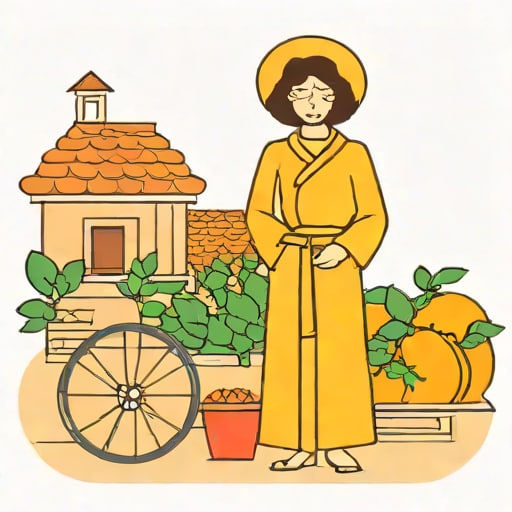
The phrase Carmela Yo Vengo de San Rosendo refers to a famous musical number and character from one of Chile’s most beloved theatrical works, La Pérgola de las Flores. This song and character have resonated deeply within Chilean culture for decades because they capture the journey of a young rural woman arriving in a big city, filled with hope, curiosity, and the comedic realities of urban life. The song’s cheerful melody and memorable lyrics make it a recognizable piece of Chilean musical history, reflecting social themes and cultural identity that continue to be celebrated in performances and festivals throughout the country. It remains significant for both its artistic value and the way it represents the experiences of many who migrate from the countryside to urban centers.
The Origin of Carmela
The character Carmela and the song Yo vengo de San Rosendo originate from the Chilean musical play La Pérgola de las Flores. Written by Isidora Aguirre with music arranged by Francisco Flores del Campo, this musical debuted in 1960 and quickly became one of the most important works in the history of Chilean theatre. The story is set in Santiago, where a group of flower vendors known as the pergoleras fight to preserve their market against modernization efforts. Into this vivid setting arrives Carmela, a young woman from the small town of San Rosendo. Her arrival immediately brings a fresh perspective and lively spirit to the narrative.
San Rosendo A Rural Beginning
San Rosendo is a small town in the BiobÃo Region of Chile, historically known for its position as a railway junction and its role in connecting the southern regions with larger cities. In the context of the musical, Carmela’s origin in San Rosendo symbolizes a simple and traditional rural lifestyle. She arrives in Santiago with a bright smile and big dreams, ready to experience all that city life has to offer. Her distinctive attitude makes her both an endearing and central figure in the unfolding events.
The Song Yo vengo de San Rosendo
The song itself is a joyful and catchy tune that celebrates Carmela’s arrival in the city. In the lyrics, Carmela proudly announces that she comes from San Rosendo and describes the contrast between her calm rural life and the bustling pace of Santiago. Throughout the song, she recounts common experiences, such as hearing about city life from others, adapting to new social customs, and confronting unexpected challenges. The chorus is repeated with enthusiasm, making it both memorable and easy for audiences to sing along during performances.
Meaning Behind the Lyrics
The lyrics of Yo vengo de San Rosendo reflect themes of transition and optimism. As Carmela moves from the countryside to the urban environment, she carries with her both innocence and resilience. The song captures the heartwarming yet humorous adjustments that come with encountering unfamiliar customs and expectations. For many Chilean audiences, the piece resonates as it mirrors the real-life experiences of countless individuals who have left their hometowns in search of opportunity in larger cities.
La Pérgola de las Flores A Cultural Phenomenon
La Pérgola de las Flores is much more than a musical; it is part of Chile’s national identity. The play combines social commentary, regional music styles, and compelling characters to illustrate tension between tradition and modernity. Carmela’s character highlights this contrast as she brings rural charm into the city’s complex social environment. Over the years, the musical has been staged countless times, adapted for television, and celebrated as a cornerstone of national theatre. Audiences continue to enjoy its mix of humor, drama, and musicality.
Performance Legacy
Since its premiere, La Pérgola de las Flores has been revived by numerous theatre companies and seen by generations of Chileans. Its characters, including Carmela, remain beloved cultural icons. The musical has been influential in both theatre and popular music, with Yo vengo de San Rosendo standing out as one of the most recognized songs from the score. The work’s longevity is a testament to its ability to reflect universal themes of identity, belonging, and the joys and struggles of adapting to change.
The Character of Carmela
Within the narrative, Carmela is portrayed as cheerful, kind-hearted, and adventurous. She embodies the spirit of many who move from small towns to larger cities with a mixture of excitement and trepidation. Through her interactions with city characters, including love interests and community figures, the audience sees the strengths and vulnerabilities that shape her personality. Carmela’s journey is a focal point for illustrating broader cultural and social shifts during the time the musical was written.
Role in the Story
Carmela’s role in La Pérgola de las Flores goes beyond being a simple newcomer. She inspires friendships, sparks romance, and helps bridge social divides. Her presence challenges assumptions held by city dwellers and adds a fresh perspective to conflicts and resolutions within the storyline. Her iconic song highlights her enthusiasm and determination, making her one of the most memorable and impactful characters in Chilean musical theatre.
Impact on Chilean Culture
The cultural reach of Carmela Yo vengo de San Rosendo extends beyond the theatre. In San Rosendo itself, the character has become a symbol of local heritage, celebrated annually during festivities that honor the character and her role in bringing attention to the town. These celebrations often include music, performance, and community gatherings that connect the historical roots of the character with contemporary cultural pride. San Rosendo’s annual events illustrate how a theatrical character can transcend the stage and become woven into the fabric of local tradition.
Continued Relevance
Even decades after its creation, La Pérgola de las Flores and the song Yo vengo de San Rosendo continue to be performed and enjoyed. The musical’s relevance is maintained through theatre productions, educational programs, and cultural retrospectives. Students, historians, and theatre enthusiasts study the work for its portrayal of societal change and its use of music to express emotion and narrative. The enduring popularity of the song highlights its memorable melody and the emotional connection audiences feel toward Carmela’s optimistic journey.
Carmela’s declaration Yo vengo de San Rosendo has become an iconic expression of hope, resilience, and cultural transition in Chilean musical history. As a song and character from La Pérgola de las Flores, Carmela symbolizes the experiences of those who leave familiar surroundings for new opportunities in urban life. The song’s cheerful celebration of rural roots and exploration of city living continues to resonate with audiences, making it a cherished piece of theatrical tradition. The story of Carmela reflects broader themes of identity and community, maintaining its relevance and appeal over many years.