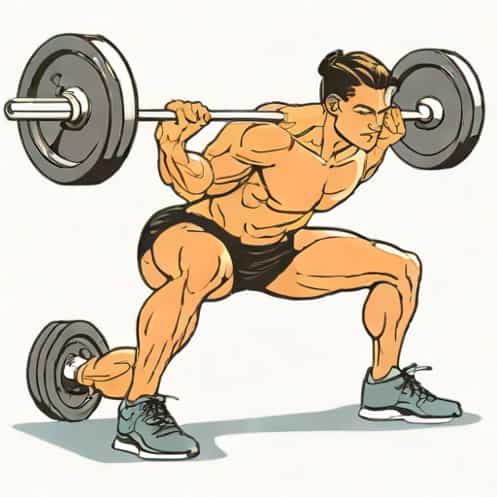
Glute bridges with a barbell have become one of the most popular exercises for building strong and well-defined glutes. Many people choose this movement because it focuses directly on the glute muscles rather than allowing other muscle groups to take over. This exercise offers benefits in strength, appearance, and athletic performance. Whether someone is a beginner learning how to activate the glutes or an advanced lifter looking to improve hip drive and lower body power, the barbell glute bridge can play an important role. This exercise can be modified in various ways and incorporated into different training programs depending on personal goals.
Understanding the Glute Muscles
The main target of glute bridges with a barbell is the gluteus maximus, which is responsible for hip extension. However, the gluteus medius and gluteus minimus also work to stabilize the pelvis and keep the hips aligned. Strengthening these muscles is crucial for posture, walking, jumping, running, and supporting the lower back.
Strong glutes help
-
Improve athletic power and speed
-
Stabilize the hips and pelvis
-
Reduce lower back pain
-
Enhance overall lower body strength
This is why glute bridges are commonly recommended not just in weight training but also in physical therapy and rehabilitation programs.
Difference Between Glute Bridges and Hip Thrusts
Many people confuse glute bridges with hip thrusts. While they are similar, they have some differences in setup and intensity. A glute bridge is performed from the floor, while a hip thrust uses a bench to allow a greater range of motion.
Glute Bridge Characteristics
-
Shorter range of motion
-
More direct focus on glutes
-
Easier for beginners to learn
Hip Thrust Characteristics
-
Larger range of motion
-
Requires more stability
-
Can allow heavier weight
Both exercises are effective for glute activation, but glute bridges with a barbell are often more comfortable and simpler to start with.
How to Perform Glute Bridges With a Barbell
Performing the movement correctly ensures that the glute muscles are properly activated while reducing strain on the lower back or hamstrings.
Step-by-Step Instructions
-
Lie on your back with your knees bent and feet flat on the floor, hip-width apart.
-
Place a barbell across your hips. Most people prefer using a barbell pad for comfort.
-
Hold the bar lightly with both hands to keep it stable.
-
Engage your core and press your lower back slightly into the ground before starting.
-
Push through your heels to lift your hips upward, squeezing your glutes at the top.
-
Pause briefly, then lower your hips back down with control.
During this movement, avoid arching the lower back excessively. The lift should come from glute contraction and hip extension rather than back bending.
Breathing Technique
Proper breathing helps maintain stability and muscle engagement. Inhale as you set your body and lower your hips. Exhale as you lift your hips and contract the glutes. This rhythm supports core engagement and prevents unnecessary strain.
Benefits of Barbell Glute Bridges
There are many advantages to incorporating this exercise into a workout routine. Some notable benefits include
-
Increased glute strength and muscle tone
-
Better hip stability and mobility
-
Reduced strain on the knees compared to squats
-
Improved athletic power for running and jumping
-
Stronger lower back support during daily activities
Many athletes find that adding glute bridges improves their performance in compound lifts such as squats and deadlifts.
Common Mistakes to Avoid
To get the most from glute bridges with a barbell, it’s important to avoid some common errors
-
Letting the lower back arch too much
-
Using the hamstrings instead of glutes to lift
-
Placing feet too far from the hips
-
Relying on momentum rather than muscle contraction
To prevent these mistakes, practice slow and controlled movements and focus on feeling the glute muscles work.
Programming Glute Bridges Into a Workout Routine
The ideal number of repetitions and sets depends on individual goals. For building muscle, moderate weight and higher repetitions may be useful. For strength, heavier weight and fewer repetitions are more effective.
Example Training Approaches
-
For muscle growth 3 4 sets of 10 15 repetitions
-
For strength 4 6 sets of 5 8 repetitions
-
For glute activation warm-up 2 3 sets of 12 20 repetitions with light weight
Many people choose to perform glute bridges early in their leg day routine to ensure proper glute activation before moving on to heavier lifts.
Variations of Barbell Glute Bridges
Different variations can help target the muscles in slightly different ways or maintain training progress over time.
-
Single-leg glute bridge with barbell
-
Paused glute bridge focusing on isometric hold
-
Slow-tempo glute bridge emphasizing time under tension
These variations can challenge stability, increase muscle activation, and help overcome strength plateaus.
Glute bridges with a barbell are an effective and accessible exercise for strengthening the glute muscles, enhancing athletic performance, and supporting posture and hip stability. This movement focuses directly on the glutes and allows individuals to train them in a controlled and isolated manner. With proper technique, thoughtful programming, and consistent practice, anyone can experience improvements in strength and muscle development. Whether someone is training for aesthetics, sports performance, or general health, the barbell glute bridge remains a valuable addition to a well-rounded fitness routine.