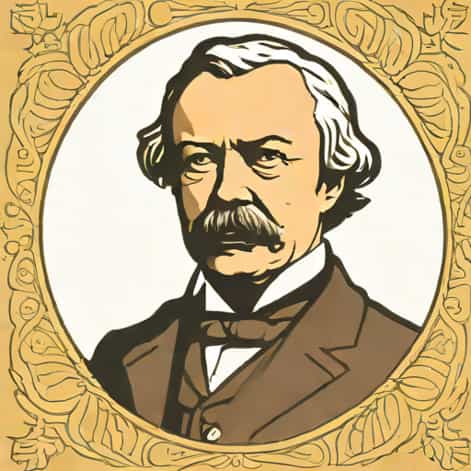
David Lloyd George was one of the most influential British politicians of the early 20th century, remembered for his dynamic leadership, reformist policies, and central role during World War I. Born in 1863 in Manchester, England, and raised in Wales, Lloyd George rose from modest beginnings to become a barrister, a member of Parliament, and ultimately the Prime Minister of the United Kingdom. His career was marked by significant social reforms, efforts to modernize government, and a pragmatic approach to both domestic and international politics. Understanding his life and political achievements provides insight into the transformation of Britain during a period of immense social, economic, and geopolitical change.
Early Life and Education
David Lloyd George was born on January 17, 1863, to William George, a Welsh-speaking preacher, and Elizabeth Lloyd George. The family moved to the rural village of Llanystumdwy in North Wales, where David grew up immersed in Welsh culture and language. Despite limited financial resources, his father emphasized education and moral integrity, values that would shape Lloyd George’s character and political outlook. He studied law at the University College of Wales in Aberystwyth and later qualified as a solicitor in 1884, beginning a career that combined legal expertise with public advocacy.
Early Political Career
Lloyd George entered politics as a member of the Liberal Party, winning a seat in Parliament in 1890. His early career was characterized by a commitment to social justice and a focus on issues affecting the working class. He gained recognition for his opposition to the Boer War, which he viewed as an unjust conflict driven by imperial ambitions, and for his advocacy of land reform in Wales and broader social welfare measures in Britain. His rhetorical skill, persuasive debating style, and ability to connect with ordinary people helped him stand out in Parliament and rise rapidly within the Liberal Party.
Chancellor of the Exchequer
In 1908, Lloyd George was appointed Chancellor of the Exchequer in the government of Prime Minister H. H. Asquith. In this role, he implemented groundbreaking social reforms that laid the foundation for the modern welfare state in the United Kingdom. Key initiatives included the introduction of old-age pensions, unemployment insurance, and measures to improve working conditions for laborers. Lloyd George’s policies reflected a belief that government had a responsibility to address poverty and social inequality, marking a shift toward a more interventionist state in British politics.
- Old-Age Pensions Act 1908Provided financial support to elderly citizens, reducing poverty among the aged.
- National Insurance Act 1911Introduced a system of health insurance and unemployment benefits, pioneering social security measures.
- Land and Housing ReformsAdvocated for the redistribution of land and the construction of affordable housing for working-class families.
Prime Minister During World War I
David Lloyd George became Prime Minister in December 1916, during the height of World War I, following political disagreements within the Liberal Party and the need for more dynamic leadership. As Prime Minister, he reorganized Britain’s war effort, centralized control over military strategy, and strengthened coordination among government departments. His leadership was characterized by pragmatism, decisiveness, and an ability to manage both domestic political pressures and international alliances. Under his guidance, Britain intensified its military campaigns, improved industrial production for the war effort, and mobilized resources effectively.
Impact on the War and Diplomacy
Lloyd George played a key role in negotiating post-war settlements and shaping Europe after 1918. He represented Britain at the Paris Peace Conference, advocating for both security and reconstruction. While he supported harsh penalties for Germany to ensure future stability, he also sought to balance interests among the Allied powers and prevent further conflict. His diplomacy helped position Britain as a major player in the post-war international order, though it also contributed to long-term tensions in Europe.
Later Political Career and Legacy
After World War I, Lloyd George faced political challenges, including criticism for his coalition government and allegations of corruption. He continued to serve as a Member of Parliament until 1945, influencing both domestic and foreign policy. Despite controversies, his legacy endures through his contributions to social reform, wartime leadership, and modernization of government institutions. Lloyd George is remembered as a transformative figure whose policies reshaped Britain, laying the groundwork for the welfare state and demonstrating the power of effective political leadership during times of crisis.
- Social ReformPioneered initiatives that addressed poverty, healthcare, and workers’ rights.
- Wartime LeadershipSuccessfully managed Britain’s resources and alliances during World War I.
- Modernization of GovernmentStrengthened the role of the state in public welfare and national administration.
David Lloyd George’s life and career reflect the evolution of British politics and society in the late 19th and early 20th centuries. From his humble beginnings in rural Wales to his position as one of Britain’s most influential Prime Ministers, he demonstrated vision, determination, and a commitment to social justice. His reforms improved the lives of millions, and his leadership during World War I helped shape the modern British state. By examining his achievements and challenges, we gain a deeper understanding of the complex forces that defined Britain during his lifetime and the enduring impact of his policies on future generations.