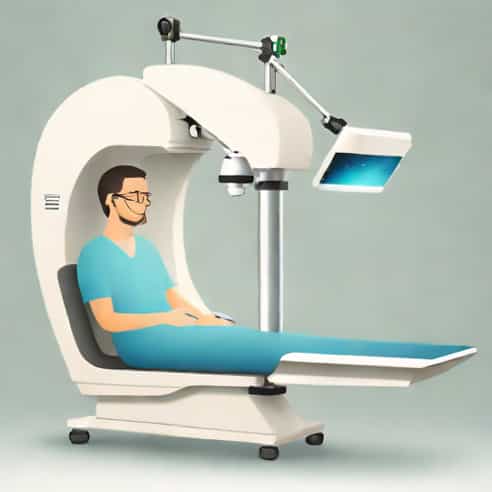
Glaucoma is a serious eye condition that can lead to irreversible vision loss if not properly managed. Traditionally, glaucoma treatment has involved medications such as eye drops to reduce intraocular pressure, or conventional surgery in advanced cases. However, laser surgery for glaucoma has emerged as an effective, minimally invasive option that can help patients control eye pressure, reduce dependence on medications, and preserve vision. This procedure has grown in popularity due to its precision, quick recovery time, and ability to be tailored to different types of glaucoma, making it an important tool in modern ophthalmology.
Understanding Glaucoma
Glaucoma refers to a group of eye diseases that damage the optic nerve, often due to elevated intraocular pressure (IOP). The optic nerve is essential for transmitting visual information from the eye to the brain, and damage to this nerve can result in gradual vision loss. Glaucoma is commonly classified into two main types open-angle glaucoma, the most prevalent form, and angle-closure glaucoma, which can cause rapid vision loss if left untreated. Early detection and treatment are critical, as vision loss from glaucoma is permanent and irreversible.
Symptoms and Risk Factors
Glaucoma is often called the silent thief of sight because it frequently develops without noticeable symptoms until significant vision loss has occurred. Some common signs may include gradual loss of peripheral vision, blurred vision, or halos around lights. Risk factors include a family history of glaucoma, older age, high eye pressure, certain medical conditions such as diabetes, and prolonged use of corticosteroid medications. Regular eye examinations are essential for early diagnosis, especially for those at higher risk.
What Is Laser Surgery for Glaucoma?
Laser surgery for glaucoma is a medical procedure that uses a focused beam of light to improve fluid drainage in the eye, thereby lowering intraocular pressure. This approach is less invasive than traditional glaucoma surgery and often performed in an outpatient setting. The laser targets specific structures in the eye to either create new drainage channels or enhance the function of existing ones, depending on the type of glaucoma and the chosen technique. Laser surgery is typically considered when medications are insufficient to control eye pressure or when patients are unable to tolerate long-term drug therapy.
Types of Laser Surgery for Glaucoma
There are several types of laser procedures used to treat glaucoma, each with specific indications and benefits
- Laser TrabeculoplastyCommonly used for open-angle glaucoma, this procedure helps improve drainage through the trabecular meshwork. Argon laser trabeculoplasty (ALT) and selective laser trabeculoplasty (SLT) are the two main techniques. SLT is preferred for its ability to be repeated and its minimal thermal damage.
- Laser IridotomyPrimarily used for angle-closure glaucoma, laser iridotomy creates a small hole in the iris to allow fluid to flow more freely, reducing pressure buildup in the eye.
- Laser CyclophotocoagulationThis technique targets the ciliary body, the part of the eye responsible for producing aqueous humor, to reduce fluid production. It is often reserved for advanced or refractory glaucoma cases.
The Procedure and What to Expect
Laser surgery for glaucoma is typically performed under local anesthesia with numbing eye drops. The procedure is usually brief, lasting from a few minutes to half an hour depending on the type of laser treatment. Patients may experience mild discomfort or a sensation of pressure during the procedure, but it is generally well-tolerated. After the procedure, eye drops or anti-inflammatory medications may be prescribed to reduce irritation and prevent inflammation. Most patients can resume normal activities the same day, although strenuous activity should be avoided for a short period.
Recovery and Follow-Up
Recovery from laser glaucoma surgery is generally quick. Patients may notice slight redness, blurred vision, or mild discomfort for a few days. Regular follow-up appointments are essential to monitor intraocular pressure and assess the effectiveness of the procedure. In some cases, additional treatments or medications may be necessary to achieve optimal eye pressure control. The long-term success of laser surgery can vary, and some patients may require repeat laser sessions or supplemental treatments over time.
Benefits of Laser Surgery for Glaucoma
Laser surgery offers several advantages compared to traditional glaucoma surgeries and long-term medication use
- Minimally InvasiveLaser surgery does not require incisions, reducing the risk of complications and speeding up recovery.
- Effective Pressure ReductionIt can significantly lower intraocular pressure, slowing the progression of optic nerve damage.
- Reduced Medication DependenceMany patients are able to decrease or eliminate the need for daily eye drops following laser treatment.
- Quick and Outpatient-FriendlyThe procedure is usually completed in a short time, often on an outpatient basis.
- Repeatable OptionsSome laser techniques, such as SLT, can be safely repeated if pressure rises again over time.
Risks and Considerations
Although laser surgery is generally safe, it is not without risks. Possible complications include temporary inflammation, mild discomfort, transient increase in eye pressure, and rare instances of vision changes. Patients with certain eye conditions or advanced glaucoma may require additional surgical interventions. A thorough evaluation by an ophthalmologist is necessary to determine the most appropriate laser procedure based on individual eye anatomy, type of glaucoma, and overall health status.
Who Is a Candidate?
Laser surgery is suitable for many patients with open-angle or angle-closure glaucoma, particularly those who have not achieved sufficient pressure control with medications. It may also benefit individuals who struggle with adherence to daily eye drops or experience side effects from medications. However, not all patients are ideal candidates, and decisions should be made in consultation with a glaucoma specialist who can assess the risks and expected benefits.
Long-Term Outlook
When performed successfully, laser surgery for glaucoma can provide long-lasting control of intraocular pressure, reducing the risk of vision loss. While the procedure does not cure glaucoma, it is an important tool for managing the disease and slowing its progression. Combining laser treatment with lifestyle modifications, regular monitoring, and adherence to medical advice helps patients maintain optimal eye health over time. Continued research and technological advances are improving the precision and efficacy of laser procedures, further enhancing outcomes for glaucoma patients.
Laser surgery for glaucoma represents a safe, effective, and minimally invasive option for managing elevated intraocular pressure and protecting vision. By improving fluid drainage or reducing fluid production, this procedure helps slow the progression of optic nerve damage and reduce dependence on medications. Patients in consultation with their ophthalmologists can choose from various laser techniques tailored to their specific type of glaucoma and individual needs. With proper follow-up, adherence to post-procedure care, and ongoing monitoring, laser surgery can play a pivotal role in preserving vision and improving quality of life for those living with glaucoma.