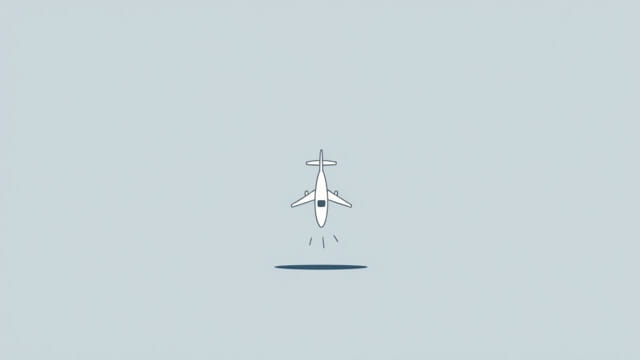
When Crash Landing on You first aired, it quickly captivated viewers around the world with its unique blend of romance, suspense, and geopolitical tension. The love story between Yoon Se-ri, a wealthy South Korean businesswoman, and Ri Jeong-hyeok, a stoic North Korean army officer, felt both impossible and deeply emotional. As the show progressed, audiences were pulled deeper into their world, invested in every glance and gesture between the two. However, as the final episode rolled out, many fans were left with mixed feelings. The Crash Landing on You ending was seen by a large segment of viewers as disappointing, not because it lacked closure entirely, but because it left too many questions unanswered and strayed from the emotional realism the show had promised.
Expectations Set by a Powerful Narrative
Emotional Investment and High Stakes
From the very beginning, the storyline established high emotional stakes. A South Korean heiress crash-landing into North Korea was already an extraordinary premise, but what kept the audience hooked was the slow and meaningful development of her relationship with Jeong-hyeok. Their bond grew through shared danger, cultural misunderstandings, and subtle acts of care. As the series neared its end, fans expected a resolution that would either offer a believable reunion or a tearful but poignant farewell something consistent with the emotional journey they had undertaken.
Hints of a Tragic Ending
Throughout the series, there were signs that a tragic ending could be in store. The ever-present political tension between North and South Korea, the personal sacrifices made by the main characters, and the consistent reminders of the divide between their worlds built a tone of looming sorrow. Some viewers were prepared for heartbreak, but they expected it to be handled with the same finesse and depth as the rest of the series.
The Ending: A Peaceful Retreat, But at What Cost?
The Switzerland Resolution
The final episode brings Yoon Se-ri and Jeong-hyeok together in Switzerland, where they live for two weeks a year. While on the surface this may seem like a happy ending, it left many fans unsatisfied. The solution felt like a loophole technically plausible, but emotionally distant. After witnessing the depth of their love, a two-week-a-year arrangement felt like a compromise rather than a conclusion.
Missed Opportunities for Realism and Impact
What disappointed many was the missed opportunity to reflect the difficult reality of divided families and forbidden love. A more grounded ending even if bittersweet might have carried more emotional weight and remained true to the tone of the show. Instead, the series veered toward a somewhat idealistic, almost fairy-tale resolution that contrasted sharply with its previous realism.
Fan Reactions and Criticism
Mixed Feelings Across the Fandom
Social media and forums were filled with viewers expressing conflicting emotions. Some were simply happy that Se-ri and Jeong-hyeok ended up together, no matter the limitations. Others felt let down, describing the finale as lacking depth or even feeling rushed. The emotional buildup warranted a conclusion that matched in tone and intensity, but many believed the show fell short of its own standards.
- It felt like they took the easy way out,wrote one viewer, echoing a common sentiment.
- A two-week romance each year after everything they went through? That’s not love. That’s punishment,noted another fan on a popular drama forum.
- Why build such a powerful, heart-wrenching story only to end with a half-baked solution?asked a disappointed viewer.
Calls for a Different Ending
Some fans even went so far as to propose alternate endings ranging from Jeong-hyeok defecting to South Korea, to Se-ri creating a humanitarian business that allows them to work together legally across borders. These alternatives show just how deeply invested the fanbase was and how strongly they felt that the original ending did not do justice to the story.
The Political Context: A Limiting Factor?
Sensitivity Around North-South Relations
One reason the show may have shied away from a more permanent or realistic reunion is the sensitive nature of the Korean peninsula’s political situation. Any narrative suggesting defection or permanent cross-border relationships might have sparked controversy or censorship. In that light, the Switzerland compromise could be seen as the only acceptable ending that avoided political discomfort.
Balancing Romance with Real-World Implications
Still, many argue that fiction especially a romantic drama should not be so constrained. K-dramas have a long tradition of using storytelling to comment on social and political issues. By choosing a safer, less provocative ending, Crash Landing on You may have missed the opportunity to push the envelope and explore deeper truths about separation, sacrifice, and longing.
The Legacy of the Ending
Does a Disappointing Ending Undermine the Series?
Despite the criticism, Crash Landing on You remains one of the most beloved K-dramas of all time. Its beautifully shot scenes, strong performances, and memorable side characters continue to draw new viewers. However, the ending does cast a shadow over the full experience. For many, it’s the final moments that linger, and in this case, those moments didn’t measure up to the emotional high points that came before.
Impact on K-Drama Storytelling
The controversy over the Crash Landing on You ending has sparked broader discussions within the K-drama community about storytelling integrity. Should writers stay true to the tone and themes of a story, even if it results in heartbreak? Or should they prioritize audience satisfaction and escapism, even if it means bending realism?
A Bittersweet Goodbye
In the end, the disappointment surrounding Crash Landing on You’s finale doesn’t erase the brilliance of the journey. Yoon Se-ri and Ri Jeong-hyeok’s love story remains unforgettable, precisely because it dared to reach across one of the most dangerous divides in modern history. But it’s that same daring spirit that makes the ending feel like a letdown. Fans wanted the show to be as bold in its conclusion as it was in its premise. Instead, what they got was a compromise that left their hearts only half full. For a drama that aimed for the sky, the landing was softer than expected gentle, but undeniably incomplete.
The Crippler Crossface GIF has become an iconic representation of one of professional wrestling’s most intense submission moves. Often circulating on social media platforms, forums, and fan pages, this animated image captures the raw emotion and physical tension of a legendary hold. Its viral nature and the history behind the move contribute to the continued fascination around the Crippler Crossface and the wrestler most associated with it Chris Benoit. Though the wrestler’s legacy remains controversial, the technique itself remains a focal point in wrestling discussions, particularly when fans revisit the most dramatic moments in the sport’s history.
Origins of the Crippler Crossface
The Technical Submission Move
The Crippler Crossface is a professional wrestling submission hold that applies intense pressure to the opponent’s head, neck, and shoulder. The move typically begins when the attacker takes down their opponent face-first and locks one of their arms using their legs. The attacker then wraps their arms around the opponent’s face and neck, pulling backward with force to create torque and pain. This visually intense position is what the GIFs usually capture showcasing the agony on the opponent’s face and the focus of the performer applying the move.
Its effectiveness as a finishing maneuver made it a favorite among submission specialists, especially in the late 1990s and early 2000s. Although similar moves have existed in martial arts, the version used in pro wrestling is specifically designed for theatrical performance and visual drama, making it perfect material for GIFs.
Chris Benoit and the Move’s Popularity
A Signature Move with a Dark Legacy
The Crippler Crossface became internationally known as the signature finishing move of Chris Benoit, who was considered one of the most technically sound wrestlers in the industry. Benoit used the Crossface frequently to end matches, and his expression of raw aggression while locking in the hold contributed to its popularity among fans. The intensity of his performance often led to unforgettable visual moments many of which are now preserved as animated GIFs.
However, Benoit’s career and life took a tragic turn, leading to his controversial erasure from much of WWE’s history. Despite this, fans continue to share and discuss clips of the Crippler Crossface online, both to appreciate the artistry of the move and to reflect on its troubled associations.
Why the GIF Format Amplified the Move’s Fame
Looping Moments of Impact
GIFs offer a perfect medium to showcase dramatic moments without the need for audio or full-length videos. The Crippler Crossface, with its visually compelling structure and emotional intensity, translates especially well into this format. Key elements that make the GIF so powerful include:
- Facial expressions:Both the aggressor’s focus and the victim’s agony are visible.
- Body tension:Muscles straining and limbs stretching create a vivid picture of struggle.
- Repetition:The looping nature of a GIF emphasizes the relentless hold, making it feel even more brutal.
Wrestling fans use these GIFs in various contexts, from celebrating past matches to making humorous or dramatic commentary on social media. Because GIFs are easily shared and embedded, they’ve helped preserve the visual legacy of wrestling moves long after the original matches aired.
Adaptations by Other Wrestlers
New Names, Same Technique
After Benoit’s departure from the wrestling spotlight, several other wrestlers have adopted variations of the Crossface. They often rename the move to avoid associations with Benoit while still using the same fundamental technique. Some notable wrestlers who have used the move or its variants include:
- Sasha Banks:Known for her Bank Statement, a move that closely resembles the Crippler Crossface with additional flair.
- Daniel Bryan:Uses the Yes Lock, which combines the Crossface with a grounded hammerlock for extra control.
- Triple H:Has occasionally used the Crossface in key matches as a tribute to technical wrestling.
Each of these adaptations has also been captured in GIFs, continuing the legacy of the move through new performers and updated contexts.
Cultural Impact of the Crippler Crossface GIF
A Symbol of Intensity in Wrestling
Over time, the Crippler Crossface GIF has come to represent more than just a wrestling move it symbolizes the peak of in-ring tension and the emotional storytelling that wrestling offers. Whether shared in forums or edited into compilations, these GIFs are often used to highlight the realness of scripted wrestling, showing audiences that the pain and effort, while choreographed, are far from fake.
For newer fans, seeing these GIFs serves as an introduction to wrestling’s dramatic power. For longtime followers, they act as reminders of past eras and legendary performances. They bridge generations of fans through shared moments of awe and appreciation.
Controversy and Sensitivity Around Its Use
Balancing Tribute with Tragedy
One cannot discuss the Crippler Crossface without acknowledging the tragic circumstances surrounding Chris Benoit’s personal life. Following the double-murder and suicide in 2007, Benoit’s name was largely removed from WWE programming. This has made the continued circulation of the Crippler Crossface GIFs a sensitive topic.
Some believe that showcasing the move disrespects the victims of the tragedy, while others argue that the technique should be judged independently from the person who made it famous. It’s a complex discussion, and wrestling fans often navigate this by sharing versions of the move performed by other wrestlers or reframing the context in which the GIF is used.
Technical Analysis of the Move’s Execution
Why It Works Visually and Physically
The Crippler Crossface is effective not just for its pain-inducing mechanics, but for how well it tells a story in the ring. From a technical perspective, it involves:
- Ground control, keeping the opponent immobilized.
- Upper body leverage, allowing the attacker to apply pressure without relying on brute strength.
- Facial visibility, ensuring that both wrestlers’ emotions are captured clearly for the audience and camera.
This design makes the move perfect for televised wrestling and visual media like GIFs, where every small detail down to a twitch of pain or a scream of defiance can be observed and appreciated.
A Legacy Captured in Motion
The Crippler Crossface GIF remains a powerful piece of wrestling history. It captures not only a submission move but a deeper emotional resonance that has continued long after the move’s most famous user left the spotlight. Whether viewed as a symbol of intense athleticism, a piece of digital memorabilia, or a conversation starter about wrestling ethics, the GIF serves many purposes in the modern digital landscape.
As the wrestling world evolves, the move and its GIF continue to inspire debate, admiration, and reflection. In this way, the Crippler Crossface has transcended the ring, finding a permanent place in the visual culture of professional wrestling fans everywhere.
1/2