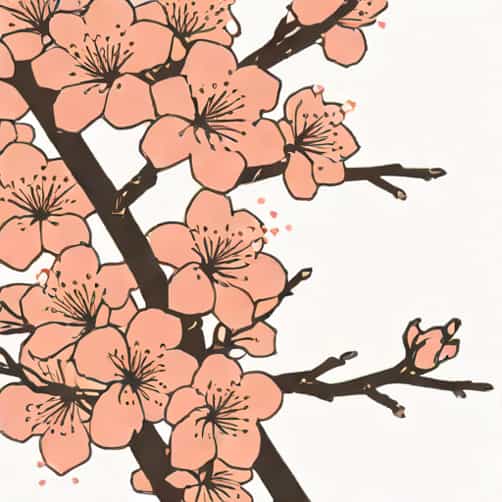
The cherry blossom, known as sakura in Japanese, is one of the most iconic symbols of Japan, celebrated for its delicate beauty and cultural significance. Each spring, cherry blossom trees bloom across the country, attracting millions of visitors who gather to enjoy the fleeting spectacle of pink and white flowers. The sakura season is not only a visual delight but also a deeply ingrained part of Japanese culture, symbolizing the transient nature of life, renewal, and the arrival of spring. Understanding cherry blossoms in Japanese culture involves exploring their historical roots, aesthetic importance, and the social practices associated with them.
History of Cherry Blossoms in Japan
Cherry blossoms have a long history in Japan, dating back over a thousand years. Originally, these flowers were appreciated by the aristocracy and poets during the Heian period (794 1185). The practice of hanami, which means flower viewing, began as a way for nobles to admire and compose poetry inspired by the beauty of cherry blossoms. Over time, hanami spread to the general population, and cherry blossoms became a symbol of national identity and cultural pride. Today, sakura trees can be found throughout Japan, from large city parks to quiet rural landscapes, continuing a tradition that connects people to nature and history.
Significance of Sakura in Japanese Culture
Sakura holds profound meaning in Japanese culture. Beyond its visual appeal, it represents themes of transience, beauty, and renewal. The brief blooming period, which typically lasts only one to two weeks, reminds people that life is fleeting and precious. This concept is tied to the Japanese aesthetic of mono no aware, which appreciates the impermanence of all things. Sakura also signals the arrival of spring and the beginning of a new school year or fiscal year in Japan, marking a time of fresh starts and optimism.
Symbolism and Meaning
- Transience of LifeThe short-lived blossoms symbolize the fleeting nature of human existence.
- Renewal and HopeBlooming in early spring, cherry blossoms represent new beginnings.
- Beauty and EleganceThe delicate flowers are admired for their visual perfection and subtle colors.
- National PrideSakura is a cultural emblem featured in art, literature, and traditional ceremonies.
Hanami The Tradition of Flower Viewing
Hanami is the practice of gathering under cherry blossom trees to appreciate their beauty and enjoy social time with family and friends. During hanami season, people often bring picnic blankets, food, and drinks to parks filled with blooming sakura. This centuries-old tradition fosters community, encourages outdoor leisure, and celebrates the natural beauty of Japan. In urban areas like Tokyo and Kyoto, popular cherry blossom spots can become crowded as locals and tourists alike participate in this joyful custom.
How Hanami is Celebrated
- Friends and families gather under sakura trees for picnics and parties.
- People often enjoy traditional Japanese foods like sushi, bento boxes, and sake.
- Evening celebrations called yozakura feature illuminated cherry trees, creating a magical nighttime experience.
- Photography, poetry, and music often accompany the hanami festivities, reflecting the deep cultural appreciation of sakura.
Different Varieties of Cherry Blossoms in Japan
Japan is home to many varieties of cherry blossoms, each with unique characteristics. The most common variety is the Somei Yoshino, known for its pale pink or white petals. Other varieties include the Shidarezakura, which has drooping branches, and the Kanzan, which features deep pink, double-layered blossoms. Each variety blooms at slightly different times, allowing the sakura season to last several weeks in different regions of Japan. This diversity adds richness to the experience of cherry blossom viewing.
Popular Cherry Blossom Locations
Some locations in Japan are particularly famous for their cherry blossoms, attracting visitors from all over the world. Examples include
- TokyoUeno Park and Shinjuku Gyoen offer expansive cherry blossom views.
- KyotoPhilosopher’s Path and Maruyama Park are renowned for traditional hanami experiences.
- HokkaidoGoryokaku Fort features cherry trees around a historic star-shaped fortress.
- OsakaOsaka Castle Park combines historic architecture with beautiful sakura trees.
Sakura in Japanese Art and Literature
Cherry blossoms have inspired countless works of art, literature, and poetry throughout Japanese history. Classical poems often depict sakura as symbols of love, mortality, and beauty. In visual arts, cherry blossoms appear in woodblock prints, paintings, and modern photography. Contemporary media, including anime and film, continue to celebrate sakura as a visual motif and cultural icon. This integration of sakura into creative expression reinforces its central role in Japanese identity and aesthetics.
Seasonal Impact and Tourism
The cherry blossom season also has a significant economic and social impact. Tourism peaks during sakura season as visitors travel to Japan specifically to witness the blooms. Local businesses, including hotels, restaurants, and transportation services, benefit from increased demand. Seasonal events, festivals, and markets enhance the experience for both locals and tourists. The sakura season’s popularity reflects the enduring fascination with cherry blossoms and their ability to bring people together to celebrate nature and culture.
Cherry blossoms, or sakura, are much more than beautiful flowers in Japan. They represent deep cultural values, historical traditions, and shared social experiences. From the delicate petals of the Somei Yoshino to the illuminated evening yozakura celebrations, sakura embodies the transient yet profound beauty of life. Hanami gatherings, artistic expressions, and tourist experiences all highlight the importance of cherry blossoms in Japanese culture. As an emblem of renewal, beauty, and national pride, the cherry blossom continues to captivate hearts and inspire generations both within Japan and around the world.