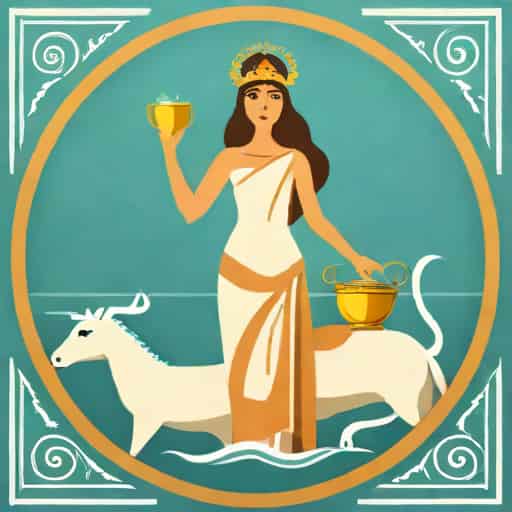
In Greek mythology, Scylla is one of the most feared monsters of the ancient seas, a creature whose terrifying presence has fascinated storytellers for centuries. She is best known for inhabiting the narrow strait opposite Charybdis, a dangerous whirlpool, making the waters perilous for sailors. Scylla is often depicted as a hybrid creature with multiple heads and serpentine features, preying on anyone who ventures too close. Her story is intertwined with themes of transformation, revenge, and the unpredictable power of the sea, reflecting the ancient Greeks’ understanding of nature’s dangers and the human struggle against forces beyond control. For many, she represents not just physical danger, but the psychological tension of navigating between two unavoidable threats, which has made her a timeless figure in myth and literature.
The Origins of Scylla
The origins of Scylla vary in different accounts of Greek mythology. Some myths describe her as the daughter of the sea god Phorcys and the sea goddess Ceto, making her a sea monster by birth. Other stories suggest she was once a beautiful nymph who was transformed into a monster by divine intervention or jealousy. One famous version tells of Scylla being cursed by the sorceress Circe, who was jealous of the attention Scylla received from the sea god Glaucus. This transformation story emphasizes themes of jealousy, punishment, and the thin line between beauty and monstrosity, which are recurrent motifs in Greek myth.
Appearance and Characteristics
Scylla is most commonly depicted as a hybrid creature with a frightening appearance that combines human and monstrous features. Ancient descriptions often show her with twelve feet and six long necks, each ending in a terrifying head filled with sharp teeth. Her lower body is usually portrayed as part fish or serpent, emphasizing her connection to the sea. These features allowed her to snatch sailors from their ships with terrifying speed. The monstrous and predatory nature of Scylla symbolizes the dangers of the ocean, unpredictable and uncontrollable, and serves as a warning to those who venture into the unknown waters.
Role in Mythology
Scylla plays a significant role in various Greek myths, particularly in Homer’s epic, the Odyssey. In the story, Odysseus must navigate his ship through the strait between Scylla and Charybdis. Faced with the choice of risking his ship to the whirlpool of Charybdis or sacrificing some of his men to Scylla, Odysseus chooses the latter. This episode highlights the concept of unavoidable danger, often referred to as between Scylla and Charybdis, meaning a situation where one must choose between two equally perilous outcomes. Scylla’s presence in mythology serves as both a literal and symbolic challenge for heroes, testing their courage, strategy, and acceptance of fate.
Symbolism of Scylla
Scylla embodies several symbolic meanings in Greek mythology. Primarily, she represents the unpredictable and destructive power of nature. The ancient Greeks often personified natural threats in the form of monsters, and Scylla’s relentless pursuit of sailors captures the fear of the sea’s dangers. Additionally, her story explores themes of transformation and vengeance, demonstrating how beauty and innocence can be corrupted by envy or divine intervention. Scylla also serves as a symbol of unavoidable choices, reminding humans that sometimes danger cannot be fully escaped, and careful judgment is necessary to survive.
Scylla in Literature and Art
Throughout history, Scylla has been a popular figure in literature and art. Ancient Greek vases, mosaics, and frescoes frequently depict her as a fearsome sea monster attacking ships. In literary works, especially in epic poetry, she is portrayed as an insurmountable challenge for heroes like Odysseus and Jason. Later Roman writers and Renaissance artists continued to explore her image, emphasizing both her monstrous and tragic aspects. Modern literature often revisits Scylla as a metaphor for fear, danger, and moral dilemmas, showing her enduring relevance in storytelling.
Interpretations in Modern Culture
In contemporary times, Scylla appears in books, films, and games as a symbol of danger and challenge. Writers often use her story to explore themes of risk and decision-making, especially in situations where there is no clear or safe path. The phrase between Scylla and Charybdis is commonly used to describe such dilemmas, demonstrating how the myth continues to influence language and thought. Additionally, her image as a hybrid monster has inspired fantasy literature and media, reflecting the fascination with creatures that combine human and animal traits.
Comparisons with Other Mythical Creatures
Scylla is often compared to other sea monsters in Greek mythology, including Charybdis, the whirlpool that occupies the opposite side of her strait. While Charybdis represents an inescapable natural disaster, Scylla embodies predatory intent, targeting sailors directly. This duality illustrates different types of danger one unavoidable by nature, the other imposed through aggression. Scylla is also linked to other monsters like the Hydra and Medusa, sharing characteristics such as multiple heads or serpentine features. These comparisons highlight the Greek tradition of using monstrous figures to symbolize threats and moral lessons.
Lessons from the Myth of Scylla
The myth of Scylla offers several lessons. It teaches caution when navigating dangerous situations and emphasizes the importance of strategic thinking. Her story also reflects the consequences of jealousy, revenge, and divine intervention, showing that actions and emotions can have far-reaching and irreversible effects. Furthermore, Scylla’s presence in the Odyssey reminds readers of human vulnerability and the need to face unavoidable challenges with courage and wisdom.
Scylla remains one of the most compelling figures in Greek mythology, representing both physical and symbolic dangers. Her terrifying appearance, tragic origin, and role in epic tales have ensured her place in the cultural imagination for centuries. Whether viewed as a monstrous threat, a cautionary symbol, or a metaphor for difficult choices, Scylla continues to fascinate audiences worldwide. By understanding her story and symbolism, we gain insight into ancient Greek values, the human relationship with nature, and the timeless allure of myths that explore danger, transformation, and the unknown.