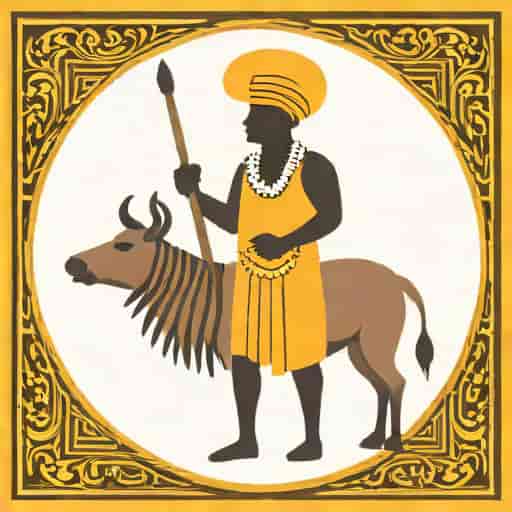
The Yoruba, Afar, and Khoisan are three distinct ethnic groups in Africa, each with a rich cultural heritage, unique history, and significant contributions to the continent’s diversity. The Yoruba people are primarily found in Nigeria and neighboring countries, known for their complex social systems, vibrant arts, and religious traditions. The Afar people inhabit regions in the Horn of Africa, including Ethiopia, Eritrea, and Djibouti, and are recognized for their pastoral lifestyle and resilience in arid environments. The Khoisan, indigenous to Southern Africa, are among the earliest human populations, with a distinct language system characterized by click sounds and a deep connection to the land. Studying these groups provides insight into the cultural, linguistic, and historical richness of Africa, highlighting how diverse societies have evolved across the continent over millennia.
The Yoruba People
The Yoruba are one of the largest ethnic groups in Africa, with a population concentrated in southwestern Nigeria and parts of Benin and Togo. Known for their rich mythology and traditional religion, the Yoruba have a pantheon of deities called Orishas, which play a central role in their spiritual and cultural life. Yoruba society is organized around kingdoms and chiefdoms, with a history of sophisticated governance, trade, and artistry. Yoruba art, especially sculpture, textiles, and beadwork, reflects deep religious and cultural significance. Festivals, music, and dance are integral to Yoruba life, reinforcing communal ties and cultural identity.
Linguistic and Cultural Influence
The Yoruba language is widely spoken and has influenced neighboring regions and the African diaspora, particularly in the Americas due to the transatlantic slave trade. Yoruba culture has contributed to religious practices such as SanterÃa in the Caribbean and Candomblé in Brazil. Traditional Yoruba music, storytelling, and visual arts have also impacted global appreciation of African culture, making the Yoruba people significant both within Africa and internationally. Understanding Yoruba traditions and social systems provides insight into the resilience, creativity, and adaptability of this group over centuries.
The Afar People
The Afar people are primarily pastoralists who inhabit the arid regions of the Horn of Africa. They live in Ethiopia, Eritrea, and Djibouti, often enduring harsh environmental conditions. The Afar are known for their camel herding and mobility, which have allowed them to sustain a pastoral economy for generations. Their social organization is clan-based, with strong family ties and community responsibilities. Traditional Afar culture emphasizes courage, hospitality, and a close relationship with the natural environment, which is crucial for survival in their challenging habitat.
Language and Traditions
The Afar speak the Afar language, part of the Cushitic branch of the Afroasiatic language family. Oral tradition is central to Afar culture, with storytelling, poetry, and proverbs playing a significant role in preserving history and social values. Rituals, ceremonies, and music accompany significant life events, including births, marriages, and funerals. The Afar also maintain traditional knowledge of the land, water sources, and grazing patterns, which has been essential for sustainable living in arid conditions. Their resilience and adaptability make the Afar an enduring and influential group in the Horn of Africa.
The Khoisan People
The Khoisan are among the earliest inhabitants of Southern Africa, encompassing the San (Bushmen) and Khoikhoi (Hottentot) groups. They are renowned for their unique click languages, which are among the oldest and most distinct linguistic systems in the world. The Khoisan traditionally lived as hunter-gatherers or pastoralists, with deep knowledge of local flora and fauna. Their social structures were often egalitarian, with communal decision-making and strong respect for natural resources. The Khoisan culture includes rock art, storytelling, and rituals that reflect a profound spiritual connection to the land.
Cultural and Historical Significance
The Khoisan have contributed significantly to our understanding of human history, genetics, and linguistics. Archaeological evidence indicates that their ancestors have inhabited Southern Africa for tens of thousands of years, providing critical insights into early human behavior and adaptation. Despite colonization and marginalization, Khoisan communities continue to preserve their languages, traditions, and knowledge systems. Their rock paintings and artifacts are vital cultural heritage, offering a window into the lives, beliefs, and environment of early human societies.
Comparative Insights
While the Yoruba, Afar, and Khoisan are geographically and culturally distinct, there are commonalities that illustrate the richness of African diversity. Each group has developed social systems adapted to their environment-Yoruba with organized kingdoms, Afar with pastoral clans, and Khoisan with egalitarian hunter-gatherer bands. All three maintain rich oral traditions, music, and ritual practices that reinforce cultural identity. Language plays a critical role in all three groups, with Yoruba influencing diasporic communities, Afar preserving oral knowledge essential for survival, and Khoisan maintaining unique click languages that provide linguistic insights.
Environmental Adaptation
Environmental adaptation is a defining feature for each group. The Yoruba thrived in fertile regions conducive to agriculture and urban development. The Afar developed resilience in arid landscapes, utilizing mobility and pastoralism to sustain communities. The Khoisan’s survival strategies included hunting, gathering, and detailed knowledge of local ecosystems. Studying these adaptations demonstrates human ingenuity and the capacity of diverse cultures to thrive in varying environmental contexts over thousands of years.
Modern Challenges and Preservation
All three groups face modern challenges that threaten the preservation of their cultures. Urbanization, climate change, and globalization impact traditional lifestyles, languages, and knowledge systems. Yoruba communities navigate modern governance and urban expansion while maintaining cultural practices. The Afar contend with environmental degradation, political borders, and development pressures that disrupt pastoral life. The Khoisan face land dispossession, loss of language, and marginalization, challenging their ability to sustain traditional practices. Efforts to preserve languages, rituals, and cultural heritage are crucial for ensuring that these groups continue to contribute to the global understanding of human diversity.
Preservation Efforts
Several initiatives aim to protect and celebrate the cultures of the Yoruba, Afar, and Khoisan. Educational programs, cultural festivals, and language documentation projects help maintain traditions and transmit knowledge to younger generations. NGOs and local governments work with communities to ensure sustainable development that respects cultural heritage. By documenting oral histories, music, rituals, and linguistic features, these efforts provide a bridge between past traditions and contemporary life, allowing these communities to maintain their identity while adapting to modern challenges.
The Yoruba, Afar, and Khoisan peoples exemplify the incredible diversity of African cultures, each with unique histories, languages, and ways of life. From the urbanized and artistic Yoruba to the resilient pastoral Afar and the ancient Khoisan, these groups offer valuable insights into human adaptation, social organization, and cultural expression. Studying and preserving their heritage not only honors these communities but also enriches our understanding of Africa’s complexity and global human history. Recognizing the contributions and challenges of these groups underscores the importance of cultural preservation, social awareness, and respect for diversity across the continent.