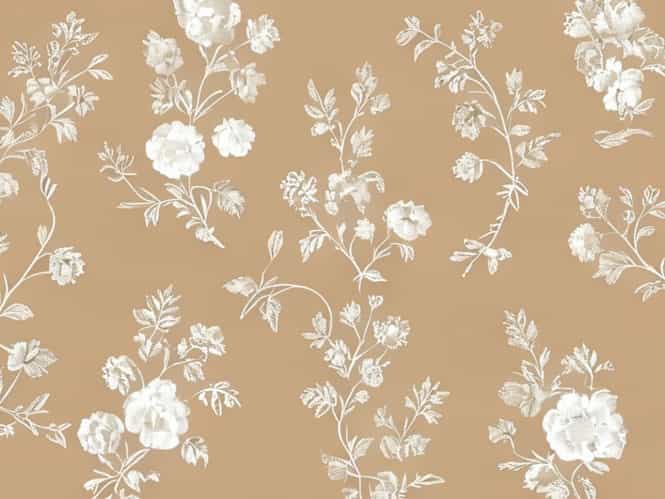
Chintz fabric has been admired for centuries for its vibrant patterns, glossy finish, and luxurious appeal. Originally originating from India, chintz became a highly sought-after textile in Europe during the 17th and 18th centuries, influencing fashion, home décor, and interior design. What sets chintz apart from other printed cotton fabrics is its intricate designs, usually floral or botanical, combined with a glazed surface that adds a lustrous quality to the fabric. Understanding how chintz fabric is made involves exploring a combination of traditional weaving, printing, and finishing techniques that transform plain cotton into a visually striking textile cherished worldwide. The production process is both artistic and technical, requiring precision, creativity, and an understanding of how dyes interact with fibers to achieve the characteristic brilliance of chintz.
The Cotton Base
The journey of chintz fabric begins with the selection of high-quality cotton fibers. Cotton is preferred for its softness, absorbency, and ability to hold dyes effectively. The fibers are first cleaned and carded to align them, removing impurities and creating a smooth, consistent texture. Following this, the cotton is spun into threads, which can vary in thickness depending on the desired weight and finish of the final fabric. These threads form the warp and weft used in the weaving process, which is essential to achieving a durable and even base suitable for intricate printing.
Weaving the Fabric
The next stage in creating chintz involves weaving the cotton threads into fabric. Traditionally, a plain weave is used, where the warp and weft threads interlace in a simple over-and-under pattern. This method provides a smooth surface that enhances the clarity and sharpness of printed designs. Modern production may use mechanized looms, allowing for large-scale manufacturing while maintaining uniformity in thread tension and fabric density. The quality of weaving directly impacts how well the fabric will absorb dyes and maintain the intricate designs typical of chintz.
Printing Designs on Chintz
What makes chintz visually distinctive is its elaborate printed designs. Historically, artisans used wooden blocks to hand-print patterns onto the fabric. Each color in a design required a separate block, carefully aligned to create detailed floral or geometric motifs. This labor-intensive process ensured that each piece of chintz was unique. Today, printing may also be done using roller or screen printing, which allows for faster production while retaining high levels of detail and vibrant colors.
Block Printing Technique
In traditional block printing, carved wooden blocks are dipped in dye and pressed onto the woven fabric. The fabric is stretched and held taut to prevent smudging, and multiple blocks may be used sequentially to layer different colors and patterns. This meticulous technique requires skill to ensure that each repeat of the design aligns perfectly with the previous one. The precision of block printing contributes to the intricate and ornate appearance that is characteristic of authentic chintz fabric.
Modern Printing Methods
While block printing remains popular for artisanal chintz, modern techniques such as screen printing and digital printing have streamlined the process. Screen printing uses fine mesh screens to transfer dye onto the fabric, while digital printing employs computer-controlled nozzles to apply the design with exacting accuracy. Both methods maintain the vivid colors and complex patterns of traditional chintz while allowing for mass production. These technologies also make it possible to experiment with more contemporary motifs, expanding the versatility of chintz in fashion and interior design.
Dyeing and Color Fixation
Dyeing is a critical step in producing chintz, as it determines the vibrancy, durability, and wash-fastness of the fabric. Cotton fibers readily absorb natural or synthetic dyes, and special mordants may be applied to ensure that colors bind effectively to the fabric. In traditional chintz, natural dyes derived from plants, roots, and minerals were used to achieve a wide spectrum of hues, from deep indigos to bright reds. Modern chintz often employs synthetic dyes for consistency, brightness, and enhanced colorfastness.
Mordanting Process
The mordanting process involves treating the fabric with chemical compounds, such as alum, which help fix dyes to the fibers. Proper mordanting ensures that the intricate patterns retain their sharpness and do not fade easily over time. This step is particularly important for multi-colored designs, where each hue must remain distinct even after repeated washing or exposure to light. The combination of precise dye application and effective color fixation is essential to producing chintz with the characteristic brilliance and longevity.
Glazing the Fabric
One of the defining features of chintz fabric is its glossy, polished surface. This finish is achieved through a glazing process, where the printed and dyed fabric is treated with a sugar-alum solution and then polished using heated rollers or calendering machines. The glazing enhances the vibrancy of colors and creates a smooth, reflective surface that distinguishes chintz from other printed cottons. Historically, this finish added both aesthetic appeal and a slight degree of water resistance, making chintz practical as well as decorative.
Calendering
Calendering is the process of passing the fabric through heavy rollers under heat and pressure, which flattens the fibers and increases the fabric’s sheen. This technique not only contributes to the glossy finish but also helps stabilize the printed design, preventing smudging and ensuring uniformity across the fabric. The resulting polished texture is a hallmark of chintz and a major reason for its enduring popularity in home textiles and fashion.
Quality Control and Finishing
After glazing, the chintz fabric undergoes rigorous quality control. Each piece is inspected for defects such as misaligned prints, uneven dyeing, or inconsistent gloss. Additional finishing treatments may include washing, brushing, or softening to enhance the hand feel and drape of the fabric. High-quality chintz combines visual appeal with tactile comfort, making it suitable for clothing, upholstery, curtains, and decorative items. The careful attention to detail at each stage ensures that the final product meets both aesthetic and functional standards.
Applications of Chintz Fabric
Chintz’s unique combination of vibrant patterns, glossy finish, and cotton comfort makes it highly versatile. In fashion, it is used for dresses, blouses, skirts, and scarves, providing a distinctive and elegant appearance. In interior design, chintz enhances upholstery, drapery, bedding, and decorative accessories, adding color and sophistication to living spaces. The fabric’s durability and ease of care further increase its practicality, ensuring that chintz remains a favored choice in both traditional and contemporary contexts.
Chintz fabric is the product of a meticulous and multi-step process that transforms simple cotton fibers into a vibrant, glossy, and highly decorative textile. From spinning and weaving to dyeing, printing, and glazing, each stage requires skill and precision to produce the intricate patterns and lustrous finish that define chintz. Traditional methods like block printing and natural dyeing coexist with modern techniques such as digital printing and synthetic dyes, expanding the fabric’s possibilities while preserving its distinctive charm. With its historical significance, artistic appeal, and practical applications, chintz continues to be celebrated as both a functional and decorative textile. Understanding how chintz fabric is made allows us to appreciate not only the craftsmanship involved but also the enduring beauty and versatility that make it a timeless choice in fashion and home décor.