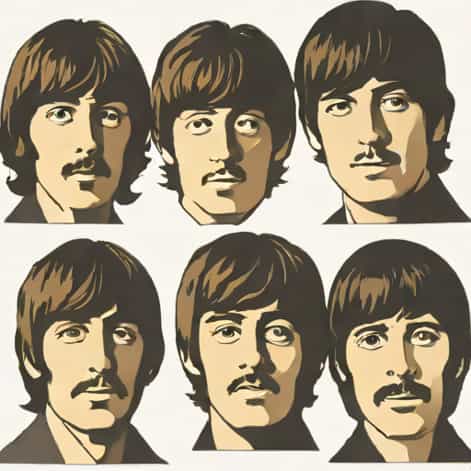
The story of The Beatles’ early career is filled with fascinating twists and near-misses, one of the most notable being their rejection by Decca Records in 1962. This decision has become one of the most famous what if moments in music history, as Decca passed on signing what would become arguably the most influential band of the 20th century. Understanding why Decca Records rejected The Beatles requires looking at the context of the music industry at the time, the audition process, and the perspectives of the record executives involved. The rejection also sheds light on how subjective decisions in the music business can sometimes overlook groundbreaking talent.
Background The Beatles Before Decca
By 1962, The Beatles were a rising band in Liverpool, England, performing regularly at local venues like The Cavern Club and touring in Hamburg, Germany. The band, consisting of John Lennon, Paul McCartney, George Harrison, and drummer Pete Best, had developed a strong local following and a dynamic, energetic sound influenced by rock and roll, rhythm and blues, and skiffle music. Despite their growing popularity in Liverpool and Hamburg, they had not yet secured a major recording contract.
Their manager, Brian Epstein, recognized the need for a record deal to bring the band to a national and eventually international audience. Epstein began shopping The Beatles around to several major labels in the UK, seeking a contract that would allow them to record and distribute their music professionally.
The Decca Audition
Decca Records was one of the leading record companies in Britain at the time, known for producing successful pop and novelty records. On January 1, 1962, The Beatles traveled to London for a formal audition at Decca’s studios. The session lasted about three hours and included recordings of fifteen songs, a mix of original compositions by Lennon and McCartney and popular covers. Tracks recorded during this audition included Like Dreamers Do, Hello Little Girl, and Love of the Loved.
The band performed well in terms of energy and musicianship, but according to contemporary accounts, they struggled with nerves and the pressure of the recording environment. The audition also took place during the New Year period, and some say the atmosphere at the studio was less than ideal for a breakthrough performance.
Factors Leading to Rejection
There were multiple reasons why Decca ultimately decided not to sign The Beatles, and these reasons have been discussed extensively by music historians and industry insiders
- Perception of MarketabilityDick Rowe, the Decca A&R executive who made the decision, reportedly felt that guitar groups are on the way out. Rowe believed that The Beatles’ style was not in line with prevailing trends and doubted their commercial potential.
- Preference for Other ActsDecca chose to sign Brian Poole and the Tremeloes, a group from the Midlands, instead. This decision was influenced by a belief that Poole’s band had a cleaner, more mainstream image suitable for the record-buying public.
- Unpolished SoundSome executives thought The Beatles’ audition recordings sounded rough compared to studio expectations. Their energy and raw performance were seen as less refined than other acts being considered.
- Timing and ContextThe early 1960s were a transitional period in British pop music. Executives at Decca may have underestimated the potential of Liverpool bands and focused more on proven commercial formulas.
Dick Rowe’s Role and Reputation
Dick Rowe has often been blamed for rejecting The Beatles, and his name became synonymous with one of the most famous missed opportunities in music history. However, it is worth noting that Rowe had a strong track record, having signed other successful artists like The Rolling Stones. The decision reflected the subjective nature of talent scouting, and Rowe’s choice, though infamous in hindsight, was consistent with industry thinking at the time.
Rowe reportedly later admitted that passing on The Beatles was a mistake, but he also defended his decision by explaining that record companies often made choices based on market trends, genre expectations, and financial risk assessments.
Impact of the Rejection
While Decca’s rejection could have been a career-ending setback, it instead became a pivotal moment in The Beatles’ rise. Brian Epstein continued to seek a recording contract, eventually securing a deal with EMI’s Parlophone label under producer George Martin. This partnership proved instrumental in developing The Beatles’ distinctive sound and launching their global success.
The rejection by Decca also became a legendary example of how the music industry can misjudge emerging talent. It is frequently cited in discussions about the importance of perseverance, vision, and the unpredictable nature of artistic success.
Lessons Learned from the Decca Audition
The story of The Beatles and Decca Records offers several important lessons for artists, managers, and industry professionals
- Persistence MattersRejection by one label did not stop The Beatles from pursuing other opportunities, ultimately leading to historic success.
- Market Perception Is SubjectiveExecutives make decisions based on current trends, but long-term potential is harder to predict.
- The Right Partnership Is CrucialSigning with George Martin and EMI allowed The Beatles to refine their sound, showing that the fit between artist and producer can outweigh initial rejections.
- Timing and Context Influence DecisionsDecisions are often shaped by cultural, economic, and industry trends, which can lead to missed opportunities if innovation is not recognized.
Historical Significance
The Decca rejection remains a defining moment in music history. It illustrates how even groundbreaking talent can be overlooked in its early stages and how industry gatekeepers can fail to foresee cultural shifts. For The Beatles, the setback was temporary, but it left an enduring story that highlights the unpredictable path to success in the music world.
Today, the narrative of Decca Records rejecting The Beatles serves both as a cautionary tale for record executives and as an inspiring story for aspiring musicians. It underscores the importance of persistence, vision, and the understanding that transformative talent may not always be recognized immediately.
The reason Decca Records rejected The Beatles involves a combination of market perception, subjective judgments, and contextual factors of the early 1960s music scene. While the decision is often cited as one of the biggest mistakes in music history, it also demonstrates the unpredictable nature of artistic success. Despite the rejection, The Beatles persevered, ultimately achieving unprecedented global fame and revolutionizing popular music. Their story reminds us that rejection is not the end, and that persistence, innovation, and finding the right collaborators can turn missed opportunities into historic achievements.