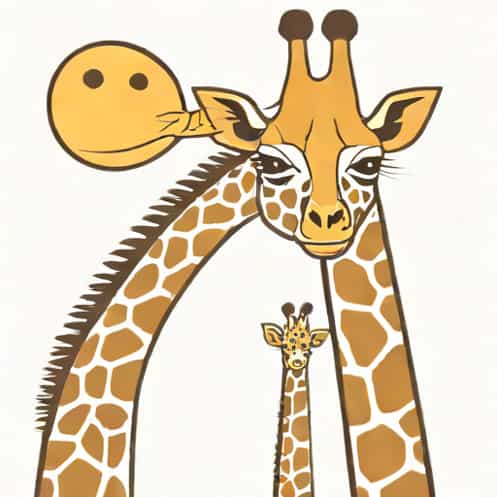
Giraffe language in the context of nonviolent communication (NVC) offers a unique and powerful framework for expressing oneself with empathy, understanding, and clarity. Inspired by the gentle nature and long-reaching perspective of giraffes, this approach emphasizes listening deeply, expressing needs without judgment, and fostering connection rather than conflict. By adopting giraffe language, individuals can transform their communication style in personal relationships, professional environments, and community interactions. It encourages a shift from reactive or aggressive communication toward a more compassionate and conscious way of interacting, helping to resolve misunderstandings and build trust.
Understanding Giraffe Language
Giraffe language is a metaphorical term used in nonviolent communication to symbolize compassionate and mindful communication. The giraffe, known for its long neck and ability to see far distances, represents the capacity to maintain perspective, awareness, and emotional sensitivity. When practicing giraffe language, communicators strive to observe situations without judgment, identify and articulate their own feelings and needs, and respond to others with empathy and respect.
Origin of Giraffe Language in NVC
The concept was popularized by Marshall Rosenberg, the creator of nonviolent communication. He contrasted giraffe language with jackal language, where jackal language represents critical, judgmental, or aggressive communication patterns. Giraffe language, on the other hand, embodies understanding, connection, and emotional awareness. It focuses on four key components observation, feeling, need, and request, which together form the foundation for respectful and effective dialogue.
Core Principles of Giraffe Language
At the heart of giraffe language are principles that guide communication toward empathy, clarity, and cooperation. These principles are applicable in both personal and professional settings and help prevent misunderstandings and conflict escalation.
Observation Without Judgment
Giraffe language encourages individuals to observe situations objectively without adding evaluations, blame, or criticism. This involves describing what happened in clear, neutral terms rather than interpreting or labeling actions. For example, instead of saying You are careless, one might say, I noticed the report was submitted after the deadline.
Expressing Feelings
Expressing feelings authentically is a central aspect of giraffe language. Communicators are encouraged to identify and articulate emotions such as frustration, joy, or sadness, which helps others understand their perspective. Using I feel statements fosters connection rather than defensiveness.
Identifying Needs
Every feeling is linked to an underlying need. In giraffe language, expressing needs clearly and compassionately is crucial. By stating needs explicitly, communicators increase the likelihood of meeting those needs constructively. For example, I feel concerned because I need timely updates on the project links a feeling to a specific, actionable need.
Making Requests
Requests in giraffe language are clear, actionable, and non-demanding. Instead of issuing commands or ultimatums, communicators ask for specific behaviors or actions that could fulfill their needs. This promotes collaboration and mutual respect, making it more likely that others will respond positively.
Applications of Giraffe Language
Giraffe language can be applied in a wide range of contexts, enhancing relationships, fostering workplace harmony, and supporting conflict resolution.
Personal Relationships
In personal relationships, giraffe language helps partners, family members, and friends communicate their feelings and needs without criticism or defensiveness. By focusing on empathy and understanding, individuals can resolve conflicts more peacefully and strengthen emotional bonds.
Professional Environments
Giraffe language is highly effective in the workplace, where misunderstandings or tensions can arise from different priorities, personalities, and pressures. By practicing observation, expressing feelings and needs, and making respectful requests, employees and managers can create a culture of cooperation, respect, and constructive problem-solving.
Education and Parenting
Teachers and parents can use giraffe language to model compassionate communication for children. This approach encourages children to express themselves clearly, understand others’ perspectives, and develop empathy. It also reduces behavioral conflicts by promoting understanding and mutual respect.
Techniques for Practicing Giraffe Language
Practicing giraffe language requires conscious effort and consistent application. Several techniques can help individuals incorporate this approach into daily communication.
Active Listening
Active listening involves fully focusing on the speaker, understanding their feelings and needs, and responding empathetically. It requires suspending judgment and avoiding interruptions, allowing the other person to feel heard and valued.
Using I Statements
Instead of blaming or criticizing, using I statements emphasizes personal feelings and needs. For example, I feel overwhelmed when emails pile up because I need clarity and organization communicates the speaker’s perspective without attacking the listener.
Empathy Practice
Empathy involves recognizing and connecting with the emotions and needs of others. In giraffe language, this means listening beyond words to understand the underlying needs and responding in a compassionate, nonjudgmental manner.
Reflection and Paraphrasing
Reflecting or paraphrasing what the other person has said ensures understanding and validates their experience. For example, It sounds like you are frustrated because the project deadlines are unclear confirms comprehension and demonstrates empathy.
Benefits of Giraffe Language
Adopting giraffe language in communication provides multiple benefits for individuals and communities. These benefits include improved relationships, reduced conflict, enhanced emotional intelligence, and increased collaboration.
- Strengthened personal and professional relationships through empathy and understanding
- Reduced conflicts by focusing on needs rather than blame
- Enhanced self-awareness and emotional intelligence
- Improved problem-solving through collaborative requests and clear communication
- Fostering a culture of respect, trust, and nonviolent interaction
Challenges and Considerations
While giraffe language offers many advantages, it may require practice and patience to apply effectively. People accustomed to reactive or judgmental communication styles may initially find it difficult to shift perspective. Consistent practice, reflection, and coaching can help individuals internalize the principles of giraffe language and integrate them into daily life.
Maintaining Consistency
Consistency in applying giraffe language is crucial. Situational stress, emotional triggers, or deeply ingrained habits can lead to lapses in nonviolent communication. Regular self-reflection and mindfulness practices can support maintaining this approach over time.
Balancing Authenticity and Empathy
Communicators must balance expressing their authentic feelings and needs while remaining empathetic to others. Overemphasis on empathy without expressing one’s own needs may lead to unfulfilled expectations, while overly direct expression without empathy may cause defensiveness or conflict.
Giraffe language in nonviolent communication offers a transformative way to connect with others through empathy, understanding, and clarity. By observing without judgment, expressing feelings and needs, and making respectful requests, individuals can cultivate more meaningful and harmonious relationships. Whether in personal interactions, professional settings, education, or parenting, giraffe language provides practical tools for resolving conflict, fostering emotional intelligence, and building trust. Adopting this approach encourages a culture of compassion and nonviolence, helping people communicate more effectively while respecting the needs and feelings of everyone involved. Ultimately, giraffe language is not only a communication technique but also a philosophy of mindful, empathetic living that can positively impact both individuals and communities.