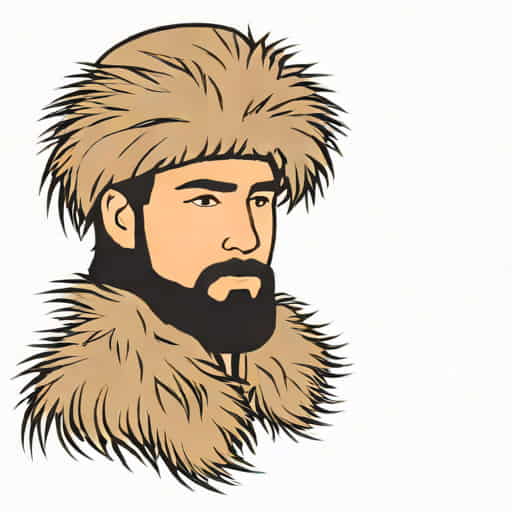
The coonskin hat is a distinctive piece of headwear that has become an iconic symbol of American frontier history and popular culture. Made from the fur and tail of a raccoon, this hat was widely worn during the 18th and 19th centuries by pioneers, frontiersmen, and explorers who ventured into the wilderness. It offered practical benefits such as warmth, protection from the elements, and durability while also serving as a recognizable emblem of rugged individualism. Over time, the coonskin hat gained prominence not only in historical reality but also in folklore, literature, and television, often associated with legendary figures and adventurous personalities. Its cultural significance extends far beyond mere fashion, representing a blend of survival, ingenuity, and the spirit of exploration that defined early American life.
Origins of the Coonskin Hat
The coonskin hat originated in North America during the colonial period when settlers, trappers, and Native Americans adapted animal skins for practical clothing. The use of raccoon fur provided a warm and relatively lightweight solution for harsh winters and outdoor labor. Early American frontiersmen, particularly those exploring the Appalachian Mountains and the Ohio Valley, adopted the hat as part of their standard attire. It was valued not only for its functionality but also for its symbolic association with wilderness skills, hunting prowess, and the ability to navigate untamed landscapes. The tail, often left attached, added a distinctive and recognizable feature that set these hats apart from other fur garments.
Famous Historical Figures Who Wore Coonskin Hats
Several historical figures became closely associated with coonskin hats, cementing their place in American culture. Among the most notable was Davy Crockett, a 19th-century frontiersman, soldier, and politician who wore the hat during his adventures on the frontier. Crockett’s legendary exploits, including his service in the Texas Revolution and his larger-than-life persona, were often depicted in illustrations, stories, and later in television shows and movies with him wearing a coonskin hat. Another prominent figure was Daniel Boone, an explorer and pioneer who played a key role in the westward expansion of the United States. Boone’s attire, often described as including a coonskin cap, symbolized the rugged lifestyle and resourcefulness of those who settled new territories.
The Coonskin Hat in American Folklore and Pop Culture
By the mid-20th century, the coonskin hat had become an enduring icon of American folklore and entertainment. It was popularized in comic books, television programs, and movies, often portraying adventurous young heroes or legendary frontiersmen. In the 1950s, the Disney television series Davy Crockett starring Fess Parker brought the coonskin hat to national attention. Children and fans across the country eagerly wore replica hats, and the item became a cultural phenomenon. The hat symbolized bravery, independence, and connection to America’s frontier heritage, bridging historical reality with the imaginative world of storytelling and media. Its appearance in popular culture reinforced the notion that the coonskin hat was not merely a practical garment but a powerful symbol of adventure and American identity.
Practical and Symbolic Significance
The coonskin hat served both practical and symbolic purposes. Practically, it provided warmth in cold climates, shielded the wearer from sun and rain, and was durable enough for extensive outdoor use. Its construction from natural materials allowed it to blend seamlessly with the surrounding wilderness, an advantage for hunters and explorers. Symbolically, the hat conveyed a sense of rugged individualism and frontier spirit. Wearing a coonskin hat indicated that the individual was capable, resourceful, and knowledgeable about survival in the wilderness. Over time, the hat came to represent American values such as independence, self-reliance, and courage in the face of adversity, making it a recognizable emblem in both historical and contemporary contexts.
Modern Uses and Collectibility
Today, the coonskin hat is primarily seen as a historical or novelty item rather than everyday wear. It is often worn during historical reenactments, educational programs, and cultural celebrations that honor the early American frontier. Collectors and enthusiasts seek authentic or reproduction hats for display, recognizing their historical significance and cultural impact. The hat also appears in theme parks, museums, and media productions that recreate frontier life, keeping the tradition alive and educating new generations about the people and stories associated with it. Its status as a collectible reflects a broader interest in preserving the material culture of American history and celebrating the iconic imagery of the past.
Variations and Craftsmanship
Coonskin hats were made in various styles and sizes, reflecting the preferences and needs of individual wearers. Some hats featured long tails, while others had shorter or stylized versions. The fur could be tanned and treated in different ways, influencing both appearance and durability. Crafting a coonskin hat required skill in handling animal hides, sewing, and shaping the material to fit comfortably on the head. Many frontier families learned these techniques as part of their daily life, ensuring that each hat was functional and long-lasting. The combination of practicality and craftsmanship contributed to the hat’s enduring popularity and cultural significance.
Influence on American Identity
The coonskin hat has had a lasting influence on American identity, serving as a visual shorthand for the nation’s frontier past. By associating with figures like Davy Crockett and Daniel Boone, the hat evokes narratives of exploration, adventure, and the pursuit of opportunity. It symbolizes the values of independence, resilience, and adaptability that were necessary for survival in challenging and uncharted environments. The hat’s place in folklore, education, and media underscores its role in shaping national memory, connecting modern audiences with historical experiences and ideals that continue to resonate in American culture.
the coonskin hat is much more than a simple piece of clothing. It represents a unique intersection of practicality, cultural symbolism, and historical identity. Worn by legendary figures such as Davy Crockett and Daniel Boone, the hat became emblematic of the American frontier spirit, capturing the imagination of generations through history, folklore, and popular media. From its origins in the wilderness to its presence in modern reenactments and collectibles, the coonskin hat continues to embody the themes of adventure, self-reliance, and the enduring allure of life on the frontier. Understanding who wore a coonskin hat allows us to appreciate its significance as a cultural icon and its role in shaping both historical memory and popular imagination.
Legacy of the Coonskin Hat
- Symbol of American frontier and exploration
- Associated with historical figures like Davy Crockett and Daniel Boone
- Popularized through television, movies, and folklore
- Represents rugged individualism and survival skills
- Collected and displayed as a historical and cultural artifact
- Continues to influence American identity and cultural storytelling