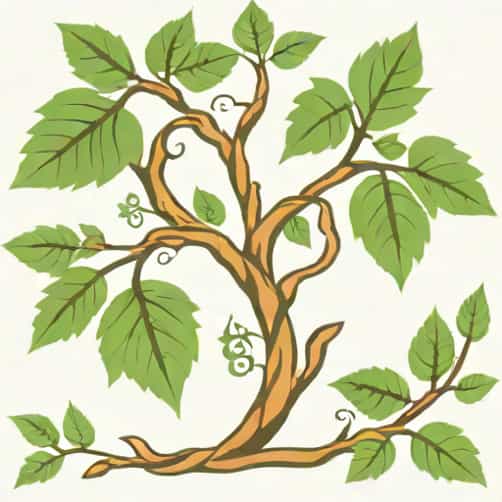
The image of the vine and branches is one of the most powerful biblical metaphors, carrying with it a deep spiritual meaning that has inspired countless homilies across generations. It emphasizes the connection between Christ and his followers, highlighting the idea that life, strength, and fruitfulness come from abiding in Him. A vine cannot exist without its branches, and the branches cannot survive without the vine. This imagery speaks to the heart of Christian faith, reminding believers that their spiritual growth depends on unity with Christ and the nourishment that comes from His presence. A homily on the vine and branches not only explains this biblical teaching but also shows its relevance in daily life, offering encouragement for personal growth, community unity, and perseverance in faith.
Biblical Foundation of the Vine and Branches
The vine and branches homily is rooted in the Gospel of John, chapter 15, where Jesus declares, I am the vine, you are the branches. This statement encapsulates a theology of dependence and fruitfulness. The vine serves as the source of life, while the branches must remain attached to it to bear fruit. Without the vine, the branches wither, and without the branches, the vine does not fulfill its purpose of spreading life outward.
The Role of the Vine
In Scripture, the vine is often used as a symbol of God’s people. However, in John’s Gospel, Jesus places Himself at the center of this imagery. He identifies as the true vine, the authentic source of spiritual nourishment. This shift emphasizes that it is not human strength or tradition alone that sustains faith, but a direct and ongoing relationship with Christ.
The Role of the Branches
The branches represent believers who draw their spiritual life from Christ. Just as branches cannot survive apart from the vine, Christians cannot thrive apart from their relationship with Him. The health of the branches depends entirely on how deeply they remain connected, reminding the faithful of the importance of prayer, Scripture, and sacraments.
Key Themes in the Vine and Branches Homily
A homily based on this metaphor often explores themes of connection, growth, pruning, and fruitfulness. These themes not only reflect the agricultural reality of vineyards but also serve as lessons for spiritual life.
- ConnectionThe intimate bond between Christ and believers.
- GrowthSpiritual maturity that comes from nourishment in Christ.
- PruningThe process of discipline and trials that refine faith.
- FruitfulnessLiving a life that produces love, service, and good works.
Connection and Abiding
The word abide is central to the homily on the vine and branches. Abiding means to remain, dwell, or stay deeply connected. In a spiritual sense, it refers to living in constant union with Christ, not as a passing moment but as a daily commitment. This abiding presence brings peace, direction, and strength to face life’s challenges.
Growth Through Nourishment
Branches that stay connected to the vine receive life-giving nutrients. Similarly, Christians who stay close to Christ through prayer, worship, and fellowship grow stronger in their faith. This growth is not always immediate, but over time, the steady connection transforms lives in ways that are visible to others.
The Symbolism of Pruning
One of the more challenging elements in the vine and branches homily is the concept of pruning. In agriculture, pruning involves cutting away dead or weak branches to make room for stronger growth. Spiritually, this symbolizes God’s work of shaping believers through discipline, hardships, and trials. While the process may feel painful, it ultimately leads to a deeper faith and a more fruitful life.
Pruning in Daily Life
Pruning can be seen in moments when believers are called to let go of harmful habits, pride, or distractions that hinder spiritual growth. It can also appear in the form of trials that test resilience. A homily on this theme reassures the faithful that pruning is not punishment but preparation for greater fruitfulness.
Fruitfulness as a Spiritual Goal
At the heart of the vine and branches homily is the call to bear fruit. Fruitfulness represents the outward expression of an inward connection with Christ. It is not about personal gain but about living a life of love, service, and compassion that reflects God’s presence in the world.
- Fruit of the Spirit, such as love, joy, peace, and kindness
- Acts of service that benefit others in need
- Words that uplift and encourage
- Commitment to justice and truth
Fruit That Lasts
The lasting fruit that comes from abiding in Christ is not temporary success or recognition but eternal impact. A vine and branches homily often emphasizes that true fruit endures beyond material achievements, pointing to values that sustain communities and strengthen faith.
Community Implications
The metaphor of vine and branches does not only apply to individuals but also to communities. Just as branches are part of one vine, believers are interconnected within the body of Christ. This highlights the importance of unity, mutual support, and shared mission.
Unity in Diversity
Branches may differ in size, shape, and fruit, but all share the same source of life. Similarly, Christian communities are diverse in gifts and personalities, yet remain united through Christ. This theme encourages respect, cooperation, and appreciation of different roles within the church.
Mission in the World
Fruitfulness is not only for the benefit of the believer but for the world at large. Communities connected to Christ become sources of hope and healing. A vine and branches homily often challenges congregations to take their faith into public life, showing God’s love through action.
Practical Applications of the Vine and Branches Homily
The beauty of this biblical metaphor lies in its timeless relevance. It speaks to personal spiritual life, community growth, and mission in the world. A homily often concludes with practical applications that guide believers in living out the message.
- Spend regular time in prayer to strengthen the connection with Christ.
- Engage with Scripture to receive ongoing nourishment.
- Embrace challenges as opportunities for pruning and growth.
- Look for ways to bear fruit in daily interactions with others.
- Support fellow believers, remembering that all branches share one vine.
The vine and branches homily offers a vivid reminder of the essence of Christian faith life and fruitfulness flow from abiding in Christ. It calls believers to remain deeply connected, to grow through God’s nourishment, to accept pruning as part of the journey, and to bear fruit that blesses others. This metaphor is not simply a teaching from the past but a living image that continues to shape spiritual lives today. Whether preached in a small parish or a large cathedral, the message of the vine and branches endures, guiding believers toward deeper faith, stronger communities, and lasting impact in the world.