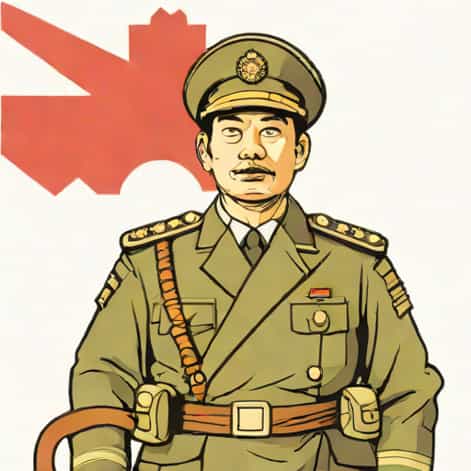
Japan has a long and complex history of militaristic leadership, particularly during the early to mid-20th century. The term militaristic leader often refers to the political and military figures who guided Japan during its imperial expansion, leading the nation into conflicts such as the Second Sino-Japanese War and World War II. Understanding who these leaders were, their ideologies, and the historical context is essential for grasping how Japan transformed from a nation striving for modernization to a militarized empire with global impact. This period shaped much of the modern political and social landscape of Japan and influenced world history.
Key Militaristic Leaders of Japan
During Japan’s militaristic era, several figures played central roles in guiding the nation’s policies and military strategies. Among them, Hideki Tojo is often considered the most prominent militaristic leader of Japan during World War II. However, the period also included other military leaders, politicians, and advisors who supported aggressive expansionist policies.
Hideki Tojo
Hideki Tojo served as Prime Minister of Japan from 1941 to 1944 and held several other key positions, including Army Minister and Chief of Staff of the Kwantung Army. Tojo was a general in the Imperial Japanese Army and strongly advocated for Japan’s military expansion across Asia. He was instrumental in planning and executing military campaigns, including the attack on Pearl Harbor, which brought the United States into World War II.
Early Life and Military Career
Hideki Tojo was born on December 30, 1884, in Tokyo, Japan, into a family with military traditions. He graduated from the Imperial Japanese Army Academy and quickly rose through the ranks due to his discipline, strategic thinking, and strong nationalist beliefs. Tojo’s military career gave him significant influence in both the army and the government, allowing him to advocate for militaristic policies and expansionism.
Ideology and Beliefs
Tojo and other militaristic leaders of Japan believed in the concept of kokutai, or national polity, which emphasized loyalty to the emperor and the state. They also promoted the idea of Japan as a dominant power in Asia, believing it had a divine right to expand its influence and territory. This ideology justified aggressive military campaigns in China, Southeast Asia, and the Pacific Islands.
Expansionist Policies
- Invasion of Manchuria in 1931, establishing the puppet state of Manchukuo.
- Full-scale war with China beginning in 1937, known as the Second Sino-Japanese War.
- Attacks on Southeast Asian territories to secure natural resources and strategic positions.
- The attack on Pearl Harbor in December 1941, triggering conflict with the United States and Allied forces.
Other Influential Militaristic Leaders
Although Hideki Tojo was the most prominent figure, other leaders played crucial roles in Japan’s militaristic era. These leaders held key positions in the army, navy, and government, influencing the direction of military operations and domestic policies.
Emperor Hirohito
While Emperor Hirohito was considered the symbolic head of state, he also wielded influence over military decisions. Historians debate the extent of his direct involvement, but his support of militaristic policies and approval of key military campaigns made him a central figure during Japan’s expansionist period.
Isoroku Yamamoto
Admiral Isoroku Yamamoto was a significant naval leader and strategist responsible for planning the attack on Pearl Harbor. Yamamoto’s military expertise and leadership were critical in Japan’s early successes in the Pacific theater. Despite being a pragmatist who sometimes warned against prolonged war with the United States, he remained a loyal commander executing Japan’s militaristic objectives.
Other Military Figures
- Shigenori Togo – Foreign Minister who supported Japan’s aggressive policies abroad.
- Tomoyuki Yamashita – General known for campaigns in Southeast Asia, particularly in Malaya and Singapore.
- Seishiro Itagaki – Army general involved in planning invasions and expansionist operations.
Impact of Militaristic Leadership on Japan
The militaristic leadership of Japan had profound consequences for both the nation and the wider world. Domestically, it led to strict government control, suppression of political dissent, and mobilization of society for war. Militaristic leaders promoted nationalism, loyalty to the emperor, and a culture that emphasized sacrifice for the nation.
Consequences During World War II
Under the leadership of figures like Hideki Tojo, Japan engaged in aggressive military campaigns that expanded its territory temporarily but ultimately provoked Allied intervention. The attack on Pearl Harbor brought the United States fully into World War II, leading to a prolonged and devastating conflict in the Pacific. Millions of soldiers and civilians were killed, and many cities, including Hiroshima and Nagasaki, faced catastrophic destruction by atomic bombs.
The Fall of Militaristic Leadership
Japan’s militaristic era came to an end with its defeat in World War II in 1945. Following Japan’s surrender, key leaders faced prosecution for war crimes. Hideki Tojo was arrested, tried by the International Military Tribunal for the Far East, found guilty of war crimes, and executed in 1948. This marked a decisive end to the era of militaristic rule and led to significant political and social reforms in post-war Japan.
Post-War Reforms
- The Japanese constitution of 1947 established a democratic government and prohibited Japan from maintaining offensive military forces.
- The emperor’s role was reduced to a symbolic position without direct political or military power.
- Military leaders were replaced by civilian government officials, and Japan shifted focus toward economic reconstruction and modernization.
Legacy of Militaristic Leaders
The legacy of Japan’s militaristic leaders is complex. On one hand, they drove Japan to unprecedented territorial expansion and early military success. On the other hand, their policies resulted in enormous human suffering, defeat, and long-term consequences for the nation. Today, the period serves as a cautionary tale about unchecked militarism, nationalism, and the dangers of prioritizing expansionist ambitions over diplomacy.
Historical Reflection
Modern Japan reflects on this period with awareness of the mistakes made by its militaristic leaders. Educational programs, museums, and historical texts emphasize peace, reconciliation, and the importance of diplomacy. Hideki Tojo and other figures remain subjects of study for understanding how militaristic leadership can shape national policy and global events.
The militaristic leadership of Japan, epitomized by Hideki Tojo and supported by key figures in the army and navy, played a decisive role in shaping the nation’s trajectory during the early 20th century. Through aggressive expansionist policies, strict nationalism, and military campaigns, these leaders influenced the course of World War II and left a lasting impact on Japan and the world. The defeat of Japan and subsequent reforms ended the era of militaristic dominance, but studying these leaders provides valuable insight into the dynamics of power, ideology, and consequence in modern history. Understanding who the militaristic leaders were, their strategies, and their legacies helps contextualize the evolution of Japan from an imperial power to a peaceful, modern nation.