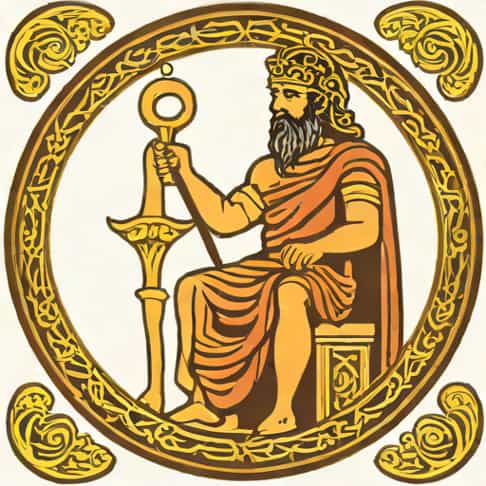
Nestor is one of the most respected and wise figures in Greek mythology, renowned for his intelligence, experience, and guidance during times of conflict. Unlike many heroes who are celebrated primarily for physical prowess or extraordinary feats, Nestor stands out for his wisdom, diplomacy, and leadership. He played a crucial role in several Greek myths, particularly during the Trojan War, where his counsel was sought by many of the Greek heroes. Understanding Nestor’s life, accomplishments, and legacy offers valuable insight into the values and ideals celebrated in ancient Greek culture, where age and experience were held in high regard.
Early Life and Background
Nestor was the son of Neleus, the king of Pylos, and Chloris. He belonged to a noble lineage, which granted him both authority and responsibilities from a young age. Pylos, his kingdom, was a prominent city in ancient Greek geography, and Nestor inherited a legacy of leadership and strategic thinking. His upbringing emphasized education, martial training, and civic responsibility, which later shaped his approach to governance and warfare. Unlike heroes known for their physical exploits, Nestor combined intelligence, prudence, and experience to gain respect from allies and adversaries alike.
Reputation for Wisdom
Nestor was famed throughout Greece not just as a king, but as a symbol of wisdom. His age and experience allowed him to offer guidance that often prevented disastrous outcomes. In the Homeric epics, particularly theIliad, he is frequently consulted by other leaders, including Agamemnon and Achilles, for strategic advice. Nestor’s reputation demonstrates the Greek admiration for elders who could combine knowledge of the past with foresight for the future, highlighting the importance of counsel alongside strength in achieving success in warfare and politics.
Role in the Trojan War
Nestor’s most prominent role in Greek mythology is his participation in the Trojan War, a decade-long conflict between the Greeks and the city of Troy. Although he was not known for the kind of physical exploits that characterized Achilles or Ajax, Nestor’s contributions were invaluable. As a tactician and advisor, he provided strategies, encouragement, and historical insight that helped coordinate Greek forces during critical moments of the war.
Advisor to Greek Heroes
Nestor’s counsel was highly sought after by key figures in the Greek army. He often mediated disputes among younger and more impulsive heroes, such as Achilles and Agamemnon, offering guidance that emphasized prudence and long-term thinking. His speeches, full of moral lessons and historical examples, encouraged cohesion and reminded warriors of the virtues of honor, patience, and unity. This advisory role underscores the idea that leadership in Greek mythology was not solely about individual strength but also about the ability to influence and guide others wisely.
Famous Attributes and Traits
Several traits distinguish Nestor in Greek mythology, making him a model of wisdom and virtue. His intelligence, eloquence, and calm demeanor set him apart from other more impulsive characters. Nestor’s longevity also contributed to his legendary status; he was known for living a long life filled with accumulated knowledge and experience, which he generously shared with younger generations of heroes.
Key Traits of Nestor
- Wisdom and intelligence
- Leadership and diplomacy
- Experience gained through age and observation
- Patience and foresight
- Mentorship of younger heroes
Family and Lineage
Nestor’s family played a significant role in his mythological narrative. He was one of the many children of Neleus, a lineage that positioned him within a network of Greek nobility. His father’s status as king of Pylos provided Nestor with early exposure to leadership responsibilities. Nestor himself had several children, including Antilochus and Thrasymedes, who participated in the Trojan War under his guidance. This familial aspect reinforces the Greek ideal that wisdom and leadership were qualities cultivated within a household and passed down through generations.
Legacy of His Children
Nestor’s children contributed to his enduring legacy. For instance, Antilochus, known for his bravery and loyalty, fought alongside his father in the Trojan War. Thrasymedes also displayed valor, demonstrating that Nestor’s guidance and teaching extended beyond himself and influenced the next generation. This focus on family mentorship illustrates the Greek cultural value placed on passing knowledge and ethical principles from one generation to the next.
Mentorship and Influence
One of Nestor’s defining characteristics was his role as a mentor. Unlike warriors celebrated for their individual heroics, Nestor’s heroism lay in his ability to inspire, guide, and instruct others. His speeches and advice often included references to historical events, moral lessons, and strategic insights, making him a vital resource for Greek commanders during wartime. In many ways, Nestor embodies the ideal of the elder advisor whose presence enhances the effectiveness of younger, more impulsive heroes.
Influence on Younger Heroes
- Advised Achilles on tempering his anger and acting strategically
- Encouraged unity among Greek leaders to prevent internal conflict
- Provided historical lessons to guide military decisions
- Offered moral and ethical guidance, emphasizing honor and loyalty
- Supported his children in becoming capable warriors under his mentorship
Nestor’s Role in Greek Culture
Nestor is more than just a character in epic tales; he represents the values of wisdom, experience, and ethical leadership in Greek culture. Ancient Greeks admired elders who could guide communities and younger generations, and Nestor exemplified this ideal. Through his example, literature and mythology convey that true leadership involves not only courage in battle but also the ability to teach, advise, and maintain moral integrity. Nestor’s presence in stories serves as a reminder that intelligence and foresight are as valuable as strength and bravery.
Symbolism of Nestor
Nestor symbolizes the importance of age, wisdom, and ethical guidance. His character demonstrates that heroism is multifaceted, encompassing intellect, strategy, and mentorship. He also represents continuity and the transmission of cultural values, ensuring that lessons from the past inform present and future decisions. In this sense, Nestor’s mythological role extends beyond the battlefield, reflecting the broader societal ideals of ancient Greece.
Nestor in Greek mythology is a figure defined by wisdom, leadership, and moral authority. As the king of Pylos, an advisor in the Trojan War, and a mentor to younger heroes, he exemplifies the Greek ideal that true heroism combines intelligence, experience, and ethical conduct. His legacy, passed down through his children and his influence on other characters, highlights the enduring value of knowledge, guidance, and prudence. Unlike heroes celebrated solely for physical prowess, Nestor reminds us that age, experience, and wisdom are powerful tools in both life and legend, making him one of the most respected and admired figures in the pantheon of Greek mythology.