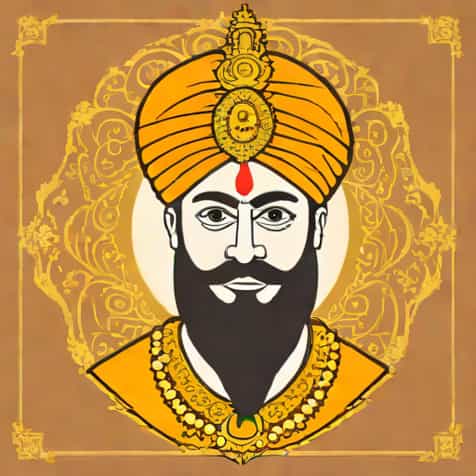
Guru Gobind Singh Jayanti is a significant religious festival in Sikhism that commemorates the birth anniversary of Guru Gobind Singh Ji, the tenth and final human Guru in Sikh tradition and a central spiritual figure whose teachings continue to inspire millions. Unlike fixed dates on the Gregorian calendar such as Christmas or Diwali, Guru Gobind Singh Jayanti is determined by the Sikh lunar calendar (often the Pausha month in the Vikram Samvat or Nanakshahi calendar), which means the celebration date can shift from year to year. In 2025, this holy day will be observed with great devotion and enthusiasm by Sikhs around the world and in India, and understanding exactly when it occurs helps devotees, families, and communities prepare for prayer, reflection, and celebration.
When is Guru Gobind Singh Jayanti in 2025?
In 2025, Guru Gobind Singh Jayanti will be observed on Monday, January 6, according to the traditional observance used in many Sikh communities and calendars. This matches the tithi (lunar day) known as Saptami in the Pausha month of the traditional calendar, which starts the evening before and culminates on January 6 during the daytime. The celebration on this date is widely recognized as the main day of observance for the birth anniversary in early January.
However, it is also worth noting that in some regions and according to some calendar systems, particularly the Nanakshahi calendar, Guru Gobind Singh Jayanti may be celebrated later in the year. In 2025, many Sikh organizations and communities will commemorate the occasion again on Saturday, December 27, 2025. This variation arises because different Sikh calendars balance solar and lunar calculations differently, leading to two widely acknowledged dates for the same Gurpurab (Guru’s birth anniversary).
Why Are There Different Dates?
Guru Gobind Singh Ji’s birthday is tied to lunar and traditional calendars rather than a fixed date on the modern Gregorian calendar. As a result, the festival’s date can vary when translated into the Gregorian system used in most countries today. Two common systems involved in determining the date are the traditional lunar-based Panchang and the Nanakshahi calendar, which attempts to align Sikh festivals with solar patterns. This discrepancy can cause the same festival to be observed at different times in different communities, both of which are considered valid within their contexts.
Significance of Guru Gobind Singh Jayanti
Guru Gobind Singh Jayanti is not merely a birthday celebration; it reflects a deep reverence for the life and legacy of Guru Gobind Singh Ji. Born in Patna Sahib, Bihar, on December 22, 1666 (Julian calendar) and translated to January 1, 1667 using modern dating, Guru Gobind Singh became the tenth Sikh Guru at a young age after the martyrdom of his father, Guru Tegh Bahadur. He was a spiritual leader, warrior, poet, and reformer who reshaped Sikh identity and community.
One of the most profound contributions of Guru Gobind Singh Ji was the founding of the Khalsa Panth in 1699. The Khalsa represents a formalized community of baptized Sikhs dedicated to upholding justice, equality, courage, and moral discipline. Guru Gobind Singh Ji also introduced the Five Ks-topics of faith that embody the spiritual principles and identity of the Khalsa. His teachings emphasized fearlessness in the face of oppression, compassion for all humanity, and unwavering devotion to righteousness.
Religious Practices and Celebrations
On Guru Gobind Singh Jayanti, Sikhs gather in gurdwaras (Sikh temples) to participate in prayers, kirtans (devotional singing), recitations from the Guru Granth Sahib (the Sikh holy scripture), and community meals known as langar, which reflect the Sikh values of equality and service. Nagar kirtans, or processions through the streets with singing and chanting, are also common and draw large crowds in many cities. Devotees use the occasion to reflect on spiritual teachings, practice charity, and reinforce the core principles of Sikhism.
Cultural and Community Importance
Beyond religious rituals, Guru Gobind Singh Jayanti plays a significant role in strengthening community bonds. Families, friends, and neighbors come together to share meals, exchange greetings, and participate in charitable activities. The festival is a reminder of the values of service, bravery, and unity that were central to Guru Gobind Singh Ji’s life. Many Sikh organizations use this day to engage in outreach activities, provide support to those in need, and host educational events about Sikh history and philosophy.
Regional Observances Around the World
In India, especially in Punjab, Delhi, and other states with significant Sikh populations, Guru Gobind Singh Jayanti is marked with public celebrations, special worship services, and educational programs. In countries outside India, such as the United Kingdom, Canada, the United States, and Australia, Sikh communities also host gatherings at gurdwaras and cultural centers to honor the day. These observances reflect the global spread of Sikhism and the shared reverence for Guru Gobind Singh Ji’s contributions to spiritual thought and community identity.
Planning for the 2025 Festival
For those planning to observe Guru Gobind Singh Jayanti in 2025, it’s helpful to note both dates recognized by different traditions. Many communities will celebrate on January 6, 2025, while others may observe the festival on December 27, 2025. Participants are encouraged to check local gurdwara announcements and community calendars to know when events will take place in their region.
Whether in January or December, the festival is marked by deep devotion, reflection on spiritual teachings, and widespread community involvement. Attendees should prepare for extended prayer sessions, communal meals, and public processions. Comfortable attire, respectful behavior at religious sites, and participation in service activities help make the celebration meaningful and enriching.
Guru Gobind Singh Jayanti in 2025 will be observed on Monday, January 6 in many places, with the main observance tied to the Saptami tithi of the Sikh lunar calendar. Additionally, some Sikh communities recognize December 27, 2025 as an alternate observance date according to the Nanakshahi calendar. Both dates reflect the flexibility of festival observance due to differing calendar systems. The festival celebrates the birth and legacy of Guru Gobind Singh Ji, a towering figure in Sikh history whose spiritual and moral teachings continue to resonate. Through prayer, community service, and remembrance of his life’s work, Sikh communities around the world honor his contributions to equality, justice, courage, and faith.