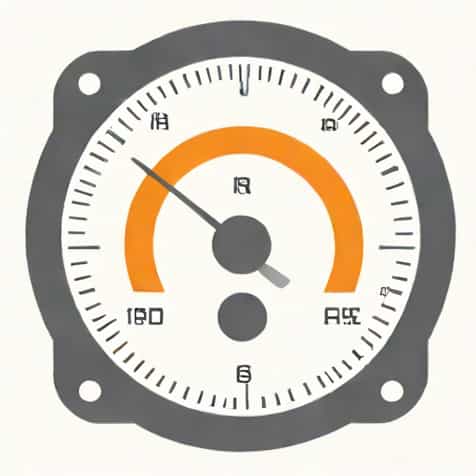
An ammeter is one of the most essential measuring instruments used in electrical studies, engineering tasks, and practical laboratory work. People encounter electric current every day, yet many do not realize how vital it is to measure that current accurately and safely. Understanding the use of an ammeter helps students, technicians, and hobbyists gain a clearer picture of how circuits behave. By exploring its purpose, functions, and practical benefits, anyone can better appreciate why this tool is relied upon in so many fields that involve electricity.
Understanding the Primary Use of an Ammeter
The main use of an ammeter is to measure the electric current flowing through a circuit. Current is typically expressed in amperes, often shortened to amps, and knowing this value is crucial when analyzing, troubleshooting, or designing electrical systems. Without a way to accurately measure current, it becomes extremely difficult to determine if a circuit is safe, functioning properly, or drawing the correct amount of power.
An ammeter is connected in series within a circuit so that all the current flows directly through the instrument. This design ensures that the reading represents the actual current at that point in the circuit. Because current measurement is a foundational step in electrical testing, the use of an ammeter is universal across many industries-from automotive repair to electronics manufacturing.
How an Ammeter Works
The operation of an ammeter depends on the movement of electrons through its internal components. When current passes through the device, the internal mechanism reacts proportionally, allowing the dial or digital display to show a clear measurement. Modern ammeters may include features such as auto-ranging, digital readings, or overload protection, but the fundamental principle remains the same.
One key feature is the very low internal resistance of an ammeter. If its resistance were too high, it would affect the flow of current and alter the measurement. To prevent this, ammeters are designed to minimize interference with the circuit. This careful construction helps guarantee accurate readings.
Common Uses of an Ammeter in Real Situations
Although its scientific purpose is straightforward, the practical use of an ammeter extends across many activities. Below are common examples where current measurement plays a major role
- Testing household electrical appliances to ensure they are drawing the correct amount of current.
- Checking battery-operated devices to confirm whether a battery is delivering power properly.
- Diagnosing faults in automotive electrical systems, such as alternator or wiring issues.
- Analyzing and testing electrical circuits in school laboratory environments.
- Evaluating the performance of electrical components, such as motors, resistors, or light bulbs.
These situations highlight the importance of measuring current for safety, efficiency, and troubleshooting. Without an ammeter, these tasks would be slow, inaccurate, and much more challenging.
Why the Use of an Ammeter Is Important
The importance of an ammeter is rooted in electrical safety and performance evaluation. When too much current flows through a device or wire, it can overheat, fail, or even create hazardous conditions. Measuring current helps prevent these problems. This makes the tool indispensable in fields that rely on careful electrical regulation.
Additionally, an ammeter allows engineers and electricians to confirm whether a system is operating within its expected limits. If a device underperforms, current readings provide clues about possible causes. A lower-than-expected reading may indicate a poor connection or internal failure, while a higher reading could signal a short circuit or overload. In both cases, the use of an ammeter is essential for troubleshooting.
Types of Ammeters Commonly Used
Although the basic function remains the same, various types of ammeters are available. Each one is suited to specific tasks and environments. Understanding these differences helps users choose the right tool.
Analog Ammeter
An analog ammeter uses a needle that moves across a scale. It provides a smooth, continuous reading, which some technicians prefer because it helps visualize changes in current. These models are durable and often used in educational settings.
Digital Ammeter
A digital ammeter displays numerical readings on a screen. These models offer higher accuracy, faster response, and easier readability. They are widely used in industrial, laboratory, and professional environments.
Clamp Ammeter
A clamp ammeter measures current without needing to disconnect wires. It works by detecting the magnetic field around a conductor. This advantage makes it ideal for electricians working with live circuits or complex installations.
How to Use an Ammeter Safely
While the use of an ammeter is straightforward, it must be handled correctly to avoid damaging the instrument or the circuit. Safety is essential when working with electricity, and proper technique ensures reliable results.
- Always connect the ammeter in series, never in parallel.
- Check the maximum current rating of the ammeter before use.
- Start with the highest range setting if the current level is unknown.
- Avoid touching exposed wires or terminals during measurement.
- Ensure the device and circuit are in good condition before connecting.
Following these precautions makes the process safe and reduces the risk of short circuits or equipment damage.
Benefits of Using an Ammeter in Electrical Work
The benefits of using an ammeter go far beyond simple measurement. It provides insights that help improve efficiency, maintain performance, and prevent hazards. Some of the major advantages include
- Accurate evaluation of electrical circuits.
- Quick identification of wiring problems or overloads.
- Better understanding of how devices consume power.
- Improved safety during installations and repairs.
- More efficient troubleshooting and maintenance.
These benefits explain why an ammeter is a standard tool in toolkits across different industries.
Where Ammeter Usage Is Most Common
Ammeter usage appears in many fields and applications. Some industries rely on them daily, while others use them mainly for diagnostics. You can commonly find ammeters in areas such as
- Electrical engineering and circuit design.
- Automotive repair and maintenance.
- Industrial machinery monitoring.
- Renewable energy systems, such as solar panels.
- Construction and building installation work.
Because these fields depend on accurate current measurement, the ammeter remains an essential and widely used tool.
Understanding the use of an ammeter helps anyone working with electricity gain clearer insights into how circuits operate. By measuring electric current accurately, it allows users to diagnose issues, ensure safety, and maintain optimal performance in a wide range of systems. From home appliances to industrial machines, the ammeter plays a central role in electrical work. Its importance remains consistent across different applications, making it one of the most valuable tools for anyone who studies or handles electricity.