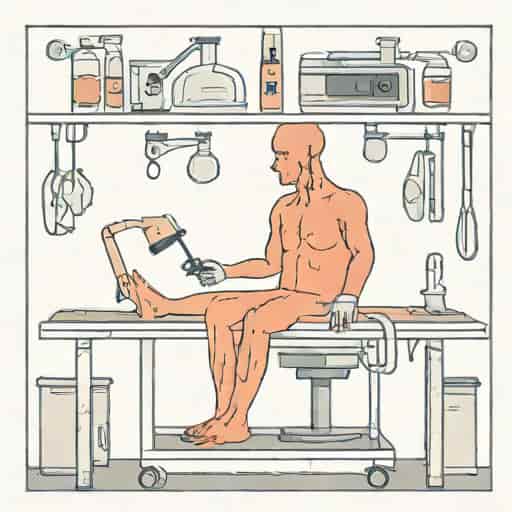
For many people, the idea of a cadaver lab might sound intimidating or mysterious, but in reality, it is one of the most important educational environments in the field of medicine and health sciences. A cadaver lab is a space where students, researchers, and professionals can study the human body in its most authentic form. Unlike digital simulations or textbook illustrations, a cadaver lab provides real, hands-on experience that allows learners to understand anatomy, surgical techniques, and the complexities of the human body in ways that no other method can replicate. This kind of laboratory is not only about learning technical details but also about cultivating respect for the human body and appreciating the gift of those who donated their remains for scientific and medical progress.
Definition of a Cadaver Lab
A cadaver lab is a specialized facility designed for the study of human bodies that have been donated for educational or scientific purposes. These labs are commonly used in medical schools, dental schools, nursing programs, and continuing education courses for healthcare professionals. The term cadaver refers to a deceased human body preserved specifically for dissection and study. In such labs, students and professionals can explore human anatomy in detail, practice surgical procedures, and improve their skills in a safe and controlled environment.
The Purpose of a Cadaver Lab
The primary purpose of a cadaver lab is to enhance understanding of human anatomy. While textbooks and digital models provide useful frameworks, nothing compares to seeing the actual structures, variations, and relationships between organs, muscles, bones, and tissues. Cadaver labs serve several key purposes
- EducationMedical and healthcare students gain hands-on learning experience that deepens their knowledge of anatomy and physiology.
- Skill DevelopmentSurgeons and professionals can practice surgical techniques or new procedures before applying them in real-life situations.
- ResearchCadaver labs allow researchers to study anatomical variations and test innovative medical devices or treatments.
- Professional TrainingHealthcare practitioners can refine their techniques and stay updated with advancements in medical science.
History and Evolution of Cadaver Labs
The practice of studying human bodies dates back to ancient times, although it was often surrounded by cultural taboos and legal restrictions. In ancient Greece and Rome, some early dissections were conducted, but they were limited and often frowned upon. During the Renaissance, anatomy flourished as scholars such as Andreas Vesalius emphasized the importance of human dissection in medical education. Over time, cadaver labs became more widely accepted as critical spaces for training doctors. Today, modern cadaver labs are equipped with advanced preservation techniques, ventilation systems, and surgical equipment that make them safer and more effective than ever before.
How Cadaver Labs Operate
Cadaver labs are carefully managed environments. Donated bodies are preserved through methods such as embalming or freezing to maintain tissue integrity for extended study. The labs are equipped with tools similar to those found in operating rooms, including surgical instruments, lighting, and protective gear for students and instructors. In many institutions, students work in small groups, guided by experienced faculty, to dissect and examine various body systems step by step. This structured approach ensures that learners gain both theoretical knowledge and practical skills.
Ethical Considerations
Ethics play a vital role in the operation of cadaver labs. All bodies used in these settings come from individuals who voluntarily donated themselves to science. Students and professionals are taught to approach their work with dignity, respect, and gratitude. Many institutions hold memorial ceremonies to honor donors, recognizing their invaluable contribution to medical education and progress.
Benefits of Learning in a Cadaver Lab
There are numerous advantages to studying in a cadaver lab, both for students just beginning their medical journey and for experienced professionals
- Realistic UnderstandingCadavers provide an unmatched opportunity to see the complexity and uniqueness of each human body, which cannot be fully captured by diagrams or models.
- Improved Surgical SkillsPracticing procedures on cadavers allows surgeons to refine their techniques without risking patient safety.
- Confidence BuildingExposure to real anatomy prepares students for future clinical experiences and reduces anxiety when encountering patients.
- Teamwork and CommunicationStudents often work in groups, developing collaboration skills essential for medical practice.
Modern Innovations in Cadaver Labs
While cadaver labs remain essential, modern technology has enhanced the way they are used. Some labs integrate digital imaging, virtual reality, and 3D printing to complement dissection. These innovations allow learners to connect theoretical knowledge with real anatomy. Additionally, minimally invasive techniques, robotic surgery training, and advanced preservation methods make cadaver labs even more valuable in preparing medical professionals for contemporary healthcare challenges.
Challenges and Limitations
Despite their importance, cadaver labs face certain challenges. Maintaining cadavers requires significant resources, including preservation chemicals, specialized storage, and strict hygiene protocols. There are also ethical and cultural concerns, as not all societies accept body donation. Furthermore, cadaver availability can be limited, which sometimes restricts access for students. To address these issues, institutions often combine cadaver labs with advanced simulations and digital tools.
The Role of Cadaver Labs in Continuing Education
Cadaver labs are not only for students but also for practicing healthcare providers. Surgeons, dentists, and other professionals use these labs to stay updated with new techniques and technologies. For example, a surgeon learning a new minimally invasive procedure may practice it in a cadaver lab before performing it on a patient. This hands-on approach ensures that professionals remain skilled and confident throughout their careers.
Global Perspective on Cadaver Labs
Different countries approach cadaver labs in unique ways, shaped by cultural, legal, and religious factors. In some regions, body donation programs are highly organized, while in others, access to cadavers is limited. Nonetheless, the universal recognition of the value of cadaver-based education continues to grow. International collaborations and exchanges of knowledge help ensure that students and professionals worldwide can benefit from this critical resource.
A cadaver lab is far more than a room filled with preserved bodies. It is a vital educational and professional environment where future doctors, nurses, dentists, and surgeons gain the knowledge and confidence they need to save lives. By offering a realistic view of human anatomy, cadaver labs bridge the gap between theory and practice in ways that no simulation can fully replicate. The respect shown to donors underscores the profound human connection behind medical learning. As technology continues to evolve, cadaver labs will remain an irreplaceable part of medical training, ensuring that healthcare professionals are well-prepared to meet the needs of their patients and communities.