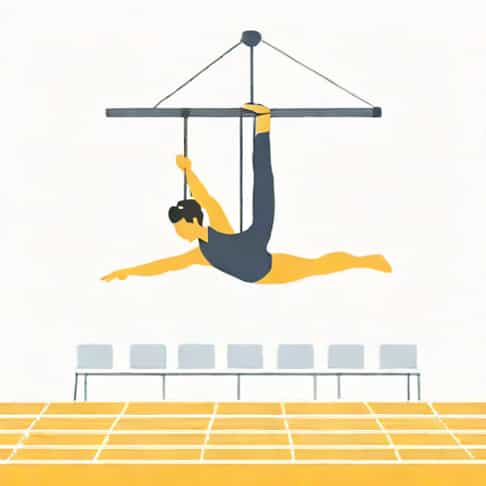
In gymnastics, an aerial is a dynamic and impressive skill that showcases a gymnast’s balance, strength, and coordination. Unlike many tumbling skills that involve hands touching the floor, an aerial is performed entirely in the air without any hand support, making it a visually striking move. It is often seen in floor routines, beam exercises, and even in cheerleading or dance, highlighting the athlete’s ability to rotate, maintain form, and land gracefully. Understanding what an aerial in gymnastics entails, how it is performed, and its variations can help beginners, enthusiasts, and fans appreciate the skill and complexity behind this acrobatic move.
Definition of an Aerial in Gymnastics
An aerial is a type of acrobatic move in gymnastics where the athlete performs a cartwheel or similar motion entirely in the air, without using their hands to touch the ground. It is considered a challenging skill because it requires precise timing, strong core and leg muscles, and confidence in mid-air rotation. A successful aerial combines height, speed, and control, ensuring that the gymnast lands safely and maintains proper form. This skill is often included in floor routines, balance beam sequences, and tumbling passes to increase difficulty scores and demonstrate advanced technical ability.
Key Components of an Aerial
Performing an aerial requires mastery of several fundamental elements
- TakeoffThe gymnast must generate sufficient power and lift from one leg or a preparatory step to achieve height and rotation.
- Body AlignmentMaintaining a straight line or proper body position in mid-air is crucial for balance and aesthetics.
- RotationThe aerial involves rotating sideways or forward, depending on the type, while keeping legs extended and toes pointed.
- LandingControlled landing with knees slightly bent absorbs impact and maintains stability.
- Confidence and TimingAerials require precise coordination and commitment to the skill to execute successfully.
Types of Aerials in Gymnastics
There are several variations of aerials, each with unique characteristics and difficulty levels. Some of the most common include
Side Aerial
The side aerial, often simply called an aerial cartwheel, is the most common type. It resembles a cartwheel in mid-air but is performed without hand support. The gymnast takes off from one leg, rotates sideways, and lands on the opposite leg, maintaining balance and form throughout.
Front Aerial
The front aerial, sometimes referred to as a front walkover without hands, involves forward rotation. The gymnast jumps off one leg, completes a full rotation in the air, and lands on the other leg. This variation requires strong leg power and excellent spatial awareness to avoid falling forward or backward.
Twisting Aerial
A twisting aerial adds a rotational element along the vertical axis. While executing the basic aerial motion, the gymnast also performs a twist in the air, increasing the difficulty and impressiveness of the skill. This variation is commonly used in high-level floor routines to enhance the routine’s score.
Training and Preparation for an Aerial
Learning to perform an aerial safely and effectively involves progressive training, strength development, and technique refinement. Important steps include
- Strength and ConditioningGymnasts develop leg strength, core stability, and explosive power to generate height and maintain body control.
- FlexibilityFlexible hips, hamstrings, and shoulders allow for proper body extension during rotation.
- Basic SkillsMastering cartwheels, round-offs, and handstands provides a solid foundation for aerial techniques.
- Spotting and SafetyBeginners often use mats, foam pits, or a coach’s support to reduce the risk of injury during practice.
- Progressive DrillsBreaking down the aerial into components, such as single-leg jumps and partial rotations, helps gymnasts build confidence and muscle memory.
Common Mistakes and How to Avoid Them
Performing an aerial requires attention to detail to prevent errors and potential injury
- Insufficient LiftNot generating enough height can cause the gymnast to land improperly. Focused strength training helps improve takeoff.
- Poor Leg AlignmentBent or separated legs reduce control and aesthetics. Maintaining tight form is crucial.
- Lack of CommitmentHesitation during takeoff can disrupt rotation. Mental focus and confidence are key to executing the skill.
- Uncontrolled LandingIncorrect landing technique can lead to falls or injuries. Practice absorbing impact with knees and core engagement.
Benefits of Performing an Aerial
Incorporating aerials into gymnastics routines offers several advantages for athletes
- Increased Routine DifficultyAerials contribute to higher difficulty scores in competitive gymnastics.
- Enhanced AthleticismDeveloping strength, coordination, and balance through aerial training improves overall performance.
- Visual AppealAerials add a dynamic and impressive element to routines, captivating judges and audiences alike.
- Confidence BuildingMastering an aerial enhances self-assurance and encourages gymnasts to attempt more advanced skills.
Applications of Aerials Beyond Gymnastics
While aerials are a staple in gymnastics, their use extends to other disciplines
- CheerleadingAerials are incorporated into stunts and tumbling passes for visual effect and difficulty.
- DanceCertain dance styles, including contemporary and hip-hop, use aerial-like movements for performance impact.
- Parkour and FreerunningAerials inspire similar acrobatic moves that involve airborne rotations and controlled landings.
An aerial in gymnastics is an advanced acrobatic skill performed entirely in the air without hand support. It demonstrates a gymnast’s strength, flexibility, balance, and confidence. With variations like side aerials, front aerials, and twisting aerials, the skill can be adapted for different routines and difficulty levels. Proper training, technique, and safety measures are essential for mastering this impressive move. Beyond gymnastics, aerials influence cheerleading, dance, and freerunning, highlighting the broad appeal and versatility of airborne acrobatics. Mastering an aerial not only enhances performance scores but also builds athleticism and confidence, making it a cornerstone skill in gymnastics and related disciplines.