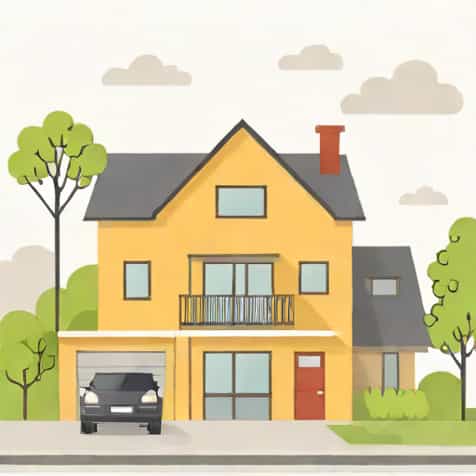
The term suburbanite is one that often appears in conversations about lifestyle, geography, and culture. It refers to a person who lives in the suburbs, the areas located outside of major cities but not entirely rural. Understanding what suburbanite means helps us explore the characteristics, daily lives, and identities of people who choose suburban living. This word does not only describe where someone lives but also hints at social and cultural patterns connected to life between city and countryside.
Definition of Suburbanite
A suburbanite is an individual who resides in a suburb. Suburbs are residential communities situated near larger cities, usually providing quieter neighborhoods, family-oriented environments, and more space compared to urban living. The term suburbanite therefore refers not just to geography but to a way of life that emphasizes comfort, community, and a balance between urban convenience and suburban calm.
Origins of the Word
The word suburbanite comes from the root suburb, which itself comes from Latin roots meaning under (sub) and city (urbs). Historically, suburbs began developing as people sought to live outside crowded city centers. With the rise of transportation and later automobiles, suburban living became more common. The suffix -ite is often added to nouns to describe a person associated with a place, making suburbanite literally mean a person from the suburbs.
Characteristics of a Suburbanite
While every individual has unique habits, the lifestyle of a suburbanite often shares some general characteristics
- Residential focus– Most suburbanites live in neighborhoods with single-family homes or townhouses rather than apartments in high-rise buildings.
- Commuting patterns– Many suburbanites commute to jobs in nearby cities while enjoying suburban living after work hours.
- Family orientation– Suburbs are often seen as ideal places to raise children due to schools, safety, and open spaces.
- Community life– Suburbanites may participate in local clubs, schools, or neighborhood events.
- Car dependency– Unlike city dwellers, suburbanites often rely heavily on cars for transportation.
Suburbanite vs. Urbanite vs. Rural Resident
To better understand the meaning of suburbanite, it helps to compare the term with urbanite and rural resident.
Urbanite
An urbanite lives in the city, surrounded by dense populations, public transportation, cultural attractions, and fast-paced lifestyles. Urbanites may have less personal space but greater access to amenities.
Rural Resident
A rural resident lives in the countryside, often in areas with lower population density, more natural landscapes, and greater distance from large cities. Rural life is typically slower-paced and more connected to nature.
Suburbanite
The suburbanite is situated between these two worlds, balancing the convenience of city access with the calmness of a less crowded environment. This middle ground often defines suburban identity.
Examples of Suburbanite in Sentences
To grasp how the word is used, here are several examples in everyday sentences
- As a suburbanite, she enjoys the peace of her neighborhood while working in the city.
- The new shopping mall attracted suburbanites from miles away.
- He grew up as a suburbanite but later moved to the city for work.
Positive Associations with Being a Suburbanite
For many people, being a suburbanite comes with advantages and lifestyle benefits
- More space– Larger homes, bigger yards, and more green areas are common in suburban settings.
- Safety– Suburbs are often perceived as safer compared to inner-city neighborhoods.
- Community connection– Suburban neighborhoods may foster stronger local communities and family-focused values.
- Access to schools– Many suburban areas are known for quality educational institutions.
- Balance of convenience– Suburbanites can enjoy nearby city opportunities while still retreating to quieter surroundings.
Challenges of Suburban Life
While the suburbanite lifestyle has many benefits, it also presents challenges
- Dependence on cars– Public transportation may be limited, requiring suburbanites to drive often.
- Long commutes– Many suburbanites spend significant time traveling to and from work in cities.
- Less cultural variety– Suburbs may lack the diversity and cultural experiences found in urban centers.
- Homogeneity– Some suburbs are criticized for being too uniform in architecture, demographics, or lifestyle.
Suburbanite Identity in Culture
The idea of the suburbanite has become a cultural symbol in literature, film, and social commentary. Suburbanites are often portrayed as enjoying stability, but also sometimes criticized for living in environments seen as repetitive or overly comfortable. For example, many movies and novels depict suburban neighborhoods as both idealized safe havens and as places where hidden tensions exist beneath the surface.
Economic Role of Suburbanites
Suburbanites play an important role in the economy. Suburban regions often serve as residential bases for workers in urban centers, contributing to commuting patterns and consumer spending. Businesses also adapt to serve suburbanites by developing shopping malls, supermarkets, and recreational facilities within suburban areas. This economic activity helps sustain both city and suburban growth.
Suburbanite and Social Trends
Over time, the image of the suburbanite has evolved with social and economic changes
- Post-war suburban boom– After World War II, many families moved to suburbs in search of affordable homes and better living conditions.
- Modern suburban diversity– Today’s suburbanites include people from many cultural and economic backgrounds, reflecting broader demographic changes.
- Telecommuting shift– With remote work opportunities, suburbanites are less tied to daily city commutes, changing the way suburban living is experienced.
Why the Term Matters
The word suburbanite is more than just a description of residence. It carries connotations about lifestyle, values, and even identity. It reflects choices people make about where and how they want to live, what balance they seek between urban and rural life, and how they participate in broader society. Understanding what it means to be a suburbanite helps us explore cultural and social patterns that shape modern communities.
In simple terms, a suburbanite is a person who lives in the suburbs, but the word goes beyond geography. It captures a lifestyle defined by space, community, and balance between the pace of the city and the calm of less crowded neighborhoods. Being a suburbanite involves both advantages and challenges, from the comfort of family-oriented living to the realities of commuting and car dependence. As society continues to evolve, the identity of the suburbanite also adapts, making the word a meaningful way to describe not just where people live but how they choose to shape their daily lives.