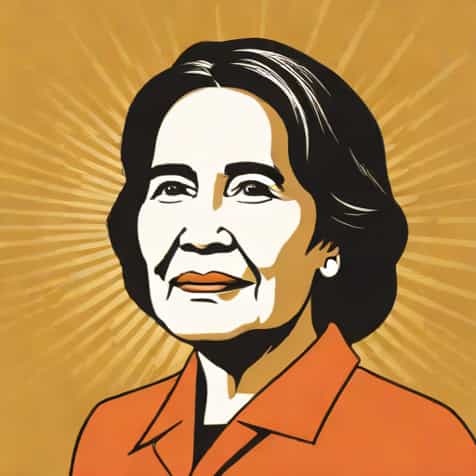
Dolores Huerta is one of the most influential activists in American history, remembered for her tireless work in labor rights, civil rights, and social justice. Born in 1930, she dedicated her life to improving the working conditions of farm laborers and empowering communities that were often ignored. Her voice and leadership helped spark movements that continue to inspire people today. Understanding what Dolores Huerta did is essential for anyone who wants to learn about grassroots activism, labor unions, and the fight for equality in the United States.
Early Life and Influences
Dolores Huerta was born in Dawson, New Mexico, but grew up in California’s Central Valley. Raised primarily by her mother, she learned the values of compassion and fairness early on. Her mother was deeply involved in community life, running a hotel and restaurant that welcomed people from all walks of life. These experiences shaped Huerta’s sense of justice and her belief that everyone deserves dignity and respect.
Beginning of Activism
Before becoming a nationally recognized leader, Huerta worked as a schoolteacher. She noticed how many of her students came to class hungry and without proper clothing because their parents were farmworkers who struggled to survive on low wages. This experience motivated her to leave teaching and dedicate herself to organizing. She soon became active with the Community Service Organization, where she began addressing issues like voter registration, workers’ rights, and economic inequality.
Co-Founding the United Farm Workers
One of the most significant things Dolores Huerta did was co-found the United Farm Workers (UFW) in 1962 alongside César Chávez. Together, they created a union that represented farm laborers, many of whom were Mexican American and Filipino workers enduring harsh conditions. Huerta’s role was pivotal-she organized workers, negotiated contracts, and gave speeches that rallied communities to stand up for their rights.
Her Role in the Grape Boycott
The grape boycott of the 1960s was one of the most famous actions led by the UFW. Dolores Huerta played a central role in organizing and promoting the boycott, which asked consumers to stop buying grapes until growers agreed to better pay and working conditions for farmworkers. Her strategic planning and relentless advocacy helped bring national attention to the struggles of farm laborers. Eventually, the boycott succeeded, leading to significant improvements in labor contracts.
Advocacy for Workers’ Rights
Huerta spent much of her life fighting for basic protections for workers. She pushed for contracts that included fair wages, rest breaks, access to clean drinking water, and protection from harmful pesticides. Her belief was that no worker, regardless of their background, should be forced to endure unsafe or degrading conditions. She also encouraged workers to see themselves as powerful when united, emphasizing that collective action could bring real change.
Champion of Civil Rights and Equality
While she is best known for her labor activism, Dolores Huerta also worked tirelessly for civil rights. She advocated for racial and gender equality, speaking out against discrimination and prejudice. At a time when women were often sidelined in leadership roles, Huerta stood out as a strong female voice in the labor movement. Her courage opened doors for future generations of women activists who sought to balance family life with political involvement.
The Famous Slogan SÃ, se puede
Another important contribution Huerta made was coining the phrase SÃ, se puede, which translates to Yes, we can. She first used this slogan in 1972 during a campaign in Arizona, and it became a rallying cry for labor rights and broader social justice movements. Decades later, the phrase would be used in political campaigns and community struggles worldwide, showing the lasting influence of Huerta’s words.
Political Engagement
Dolores Huerta was not only an activist but also deeply involved in politics. She lobbied legislators to pass laws that protected farmworkers, supported efforts to increase voter registration among Latino communities, and promoted educational reforms. She recognized that grassroots organizing had to be connected with political action in order to achieve lasting change. Her advocacy contributed to the passage of several important labor laws in California and beyond.
Challenges and Sacrifices
Huerta’s journey was not easy. She faced criticism, threats, and even violence for her activism. In 1988, while protesting in San Francisco, she was severely beaten by police officers, suffering broken ribs and internal injuries. Despite these hardships, she never gave up. Instead, she used her experiences to further emphasize the importance of standing up against injustice, even when the costs were high.
Later Life and Continued Activism
Even after stepping down from day-to-day leadership of the UFW, Huerta continued her activism. She founded the Dolores Huerta Foundation, which focuses on grassroots organizing, education, and civic engagement. Through the foundation, she has continued to mentor young leaders, promote social justice, and advocate for communities that lack representation. Her lifelong dedication shows that activism does not end with one generation but must be nurtured continually.
Recognition and Awards
Over the years, Dolores Huerta has received numerous awards for her work. She has been honored with the Presidential Medal of Freedom, the highest civilian award in the United States, among many other recognitions. These awards highlight her impact not only on labor rights but also on the broader struggles for justice, equality, and democracy. Her recognition serves as a reminder of the lasting change one person’s determination can achieve.
Legacy of Dolores Huerta
When we ask what Dolores Huerta did, the answer extends far beyond a single campaign or moment in history. She built a movement that gave voice to people who had long been silenced. She empowered farmworkers, inspired women, and fought for equality across racial and cultural lines. Her courage, leadership, and resilience continue to serve as a model for activists worldwide.
Key Achievements Summarized
- Co-founded the United Farm Workers union
- Organized the successful grape boycott of the 1960s
- Negotiated contracts for fair wages and better conditions
- Coined the slogan SÃ, se puede
- Advocated for civil rights and gender equality
- Founded the Dolores Huerta Foundation to continue grassroots activism
Why Her Work Still Matters Today
The struggles Dolores Huerta addressed are still relevant today. Farmworkers in many places continue to face low wages and unsafe working conditions. Communities still battle for equal rights and representation. Huerta’s life reminds us that progress requires persistent effort and collective action. Her message of empowerment continues to resonate with movements for environmental justice, immigrant rights, and gender equality.
Dolores Huerta dedicated her life to fighting for those who had little power, and her work transformed the landscape of labor rights and civil rights in America. What did Dolores Huerta do? She organized, she advocated, she spoke truth to power, and she never stopped believing in the ability of people to change their world. Her legacy is one of courage and hope, proving that with determination and solidarity, even the most marginalized voices can be heard and respected.