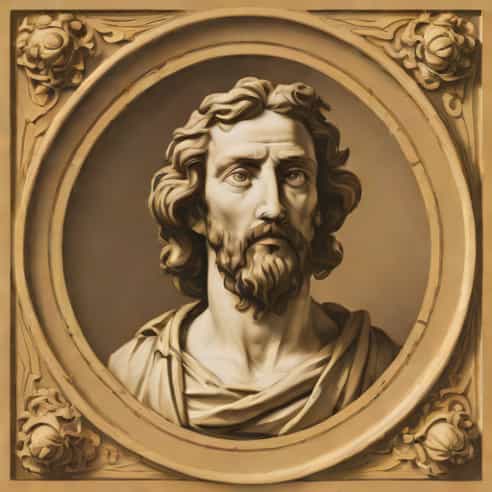
Gian Lorenzo Bernini is widely regarded as one of the most influential artists of the Baroque era, known for his extraordinary skill in sculpture, architecture, and painting. His works demonstrate a unique combination of technical mastery, dramatic expression, and intricate detail that brought a new sense of life and emotion to art. Throughout his career, Bernini created numerous masterpieces that not only defined the Baroque style but also transformed the cultural landscape of Rome and Europe. His contributions continue to inspire artists, historians, and visitors who marvel at the emotional intensity and realism of his creations.
Early Life and Training
Gian Lorenzo Bernini was born in Naples, Italy, in 1598. His father, Pietro Bernini, was a prominent sculptor who recognized his son’s talent from an early age. Under Pietro’s guidance, young Gian Lorenzo began studying sculpture, learning essential techniques in marble and bronze. By his teenage years, Bernini had already attracted attention for his skillful work, and he was invited to Rome to work for powerful patrons including cardinals and members of the papal court. His early exposure to both classical sculpture and contemporary artistic trends helped shape his distinctive style that blended realism, emotion, and theatricality.
Major Influences
- Classical sculpture of ancient Rome and Greece.
- Works of Renaissance masters such as Michelangelo and Raphael.
- Religious and cultural demands of the Catholic Church during the Counter-Reformation.
- Patrons in Rome who encouraged innovation and dramatic expression in art.
Sculptural Masterpieces
Bernini’s sculptures are celebrated for their incredible realism and dynamic energy. Unlike previous artists who emphasized static perfection, Bernini’s figures often appear in mid-motion, conveying powerful emotion and narrative. One of his most famous works, the statue ofApollo and Daphne, captures the moment Daphne transforms into a laurel tree to escape Apollo, demonstrating his mastery in depicting texture, movement, and human emotion. Similarly, his sculpture ofThe Ecstasy of Saint Teresain the Cornaro Chapel combines dramatic theatricality with spiritual intensity, illustrating Bernini’s ability to merge physical realism with metaphysical themes.
Other Notable Sculptures
- DavidUnlike earlier depictions of David, Bernini’s version is captured in the tension of action, preparing to launch the stone at Goliath.
- Fountain of the Four RiversA sculptural centerpiece in Piazza Navona, combining allegorical figures with flowing water for dramatic effect.
- Busts of PopesBernini’s portrait busts, such as those of Pope Urban VIII, display both physical likeness and psychological depth.
Architectural Achievements
In addition to sculpture, Bernini was an accomplished architect who shaped the cityscape of Rome. His architectural designs often incorporated fluidity and movement, echoing the energy seen in his sculptures. Among his most famous architectural projects is the design of St. Peter’s Square in Vatican City. The sweeping colonnades create a sense of embrace, welcoming visitors while guiding their view toward St. Peter’s Basilica. Bernini’s architectural vision combined practical design with theatrical presentation, transforming public spaces into immersive artistic experiences.
Key Architectural Works
- St. Peter’s Square Elliptical colonnades symbolizing arms embracing the faithful.
- Church of Sant’Andrea al Quirinale Integration of sculpture, light, and space to enhance spiritual experience.
- Fountains and urban planning Multiple fountains including Triton Fountain and Fountain of the Bees, showcasing Bernini’s integration of art and functionality.
Innovations and Artistic Style
Bernini’s work is characterized by its emotional intensity, intricate details, and dynamic movement. He pioneered techniques that created a sense of drama and narrative within a single frame, whether in sculpture or architecture. His mastery of light and shadow allowed him to enhance textures and depth, giving life to marble and stone. Bernini’s innovative approach influenced countless artists and established him as a central figure of the Baroque period, pushing the boundaries of what sculpture and architecture could achieve in terms of storytelling and audience engagement.
Characteristics of Bernini’s Style
- Dynamic motion and expressive figures.
- Detailed textures that mimic reality.
- Theatrical presentation in sculpture and architecture.
- Integration of architecture, sculpture, and decorative arts.
- Use of light to enhance emotional impact.
Impact and Legacy
Gian Lorenzo Bernini’s influence extends far beyond his lifetime. His works shaped the visual and cultural identity of Baroque Rome and inspired generations of artists across Europe. By combining technical skill with emotional expression, Bernini created art that was both beautiful and profoundly moving. Museums, churches, and public squares in Rome continue to showcase his masterpieces, attracting millions of visitors each year. His legacy is also preserved in art history education, where Bernini’s approach is studied for its innovation, creativity, and contribution to the development of modern Western art.
Continuing Influence
- Art historians study Bernini’s techniques and emotional storytelling.
- Contemporary sculptors and architects draw inspiration from his integration of movement and space.
- Public spaces designed with Bernini’s principles of theatricality and engagement.
- Preservation of Bernini’s works ensures continued appreciation of Baroque art.
- His sculptures remain central to religious, cultural, and artistic identity in Rome.
Gian Lorenzo Bernini stands as a towering figure in the history of art, whose works continue to captivate audiences with their technical brilliance and emotional depth. From his masterful sculptures likeThe Ecstasy of Saint TeresaandApollo and Daphneto his architectural achievements in St. Peter’s Square and beyond, Bernini exemplifies the dramatic, expressive, and innovative qualities of the Baroque era. His legacy not only transformed the artistic landscape of 17th-century Rome but also left an enduring mark on global art history, inspiring both admiration and study for generations to come.