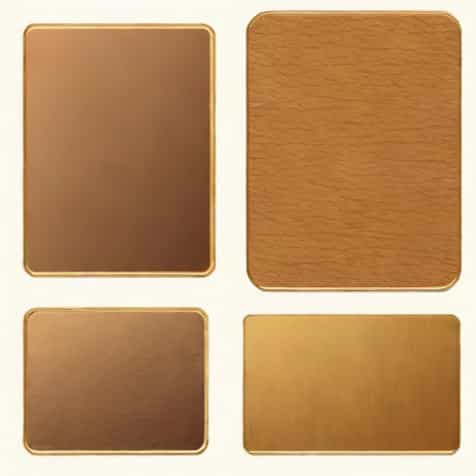
Velvet and veneer are two materials commonly used in interior design, fashion, and furniture making, each offering distinct textures, appearances, and functional qualities. While they serve very different purposes, both have become staples in creating luxurious and aesthetically pleasing environments. Understanding the characteristics, uses, and differences between velvet and veneer can help designers, homeowners, and enthusiasts make informed choices when selecting materials for decor, furniture, or clothing. These materials not only contribute to the tactile and visual appeal of objects but also reflect broader trends in craftsmanship, style, and consumer preferences over time.
What is Velvet?
Velvet is a type of woven fabric characterized by its soft, plush surface and rich texture. It is traditionally made from silk, cotton, or synthetic fibers, although modern manufacturing often incorporates blends for durability and affordability. The defining feature of velvet is its dense pile of upright yarns, which gives it a distinctive sheen and a smooth, luxurious feel. The pile can vary in length, creating different types of velvet such as crushed velvet, panne velvet, and stretch velvet, each with unique visual and tactile qualities.
History and Evolution of Velvet
Velvet has a long history dating back to the Middle Ages, originating in the Middle East before spreading to Europe. It was historically associated with royalty and the wealthy due to the labor-intensive weaving process and the luxurious appearance of the fabric. Over the centuries, advances in textile production have made velvet more accessible while retaining its association with elegance and sophistication. Today, velvet is widely used in fashion, upholstery, curtains, and decorative accessories.
Uses of Velvet
Velvet’s versatility makes it popular in a variety of applications
- FashionVelvet is used in clothing items such as dresses, blazers, skirts, and eveningwear due to its rich texture and drape.
- FurnitureUpholstered furniture like sofas, chairs, and headboards often feature velvet for its softness and visual appeal.
- Home DecorVelvet is frequently used for curtains, cushions, and throws to add warmth and luxury to interior spaces.
- AccessoriesVelvet appears in handbags, shoes, and hats, adding a touch of elegance to personal style.
What is Veneer?
Veneer, on the other hand, is a thin layer of high-quality wood or synthetic material applied to a core substrate to give the appearance of solid wood. It is commonly used in furniture, cabinetry, flooring, and wall panels. Veneer allows manufacturers to achieve the look of expensive or exotic wood without the cost or environmental impact of using large amounts of solid timber. The process involves slicing or peeling thin sheets from logs, which are then adhered to a core material such as plywood, MDF, or ptopicboard.
History and Evolution of Veneer
Veneering has been practiced for centuries, with early examples found in ancient Egyptian furniture and European decorative arts. Initially, it was a method to conserve expensive woods and create intricate patterns, often in combination with marquetry and inlay techniques. Over time, the use of veneer expanded with industrial advances, allowing for mass production of wood-finished furniture and interiors. Today, veneer continues to be valued for its ability to combine beauty, sustainability, and affordability.
Uses of Veneer
Veneer serves multiple purposes in both functional and aesthetic contexts
- FurnitureTables, cabinets, and dressers often use veneer to mimic the appearance of solid wood while keeping costs lower.
- Interior DesignWall panels, flooring, and decorative trim utilize veneer to create sophisticated looks in residential and commercial spaces.
- Musical InstrumentsVeneer is frequently used in pianos, guitars, and other instruments for both aesthetics and tonal qualities.
- Eco-Friendly ApplicationsVeneering allows for efficient use of timber, reducing waste and promoting sustainability in woodworking.
Differences Between Velvet and Veneer
Although velvet and veneer are both associated with luxury and aesthetics, they differ significantly in material, texture, and application. Velvet is a soft textile used primarily for clothing and upholstery, while veneer is a thin wood layer applied to surfaces for decorative and functional purposes. Velvet is tactile and flexible, offering warmth and comfort, whereas veneer is rigid and primarily visual, emphasizing the natural beauty of wood grains. Understanding these differences helps designers and consumers choose the appropriate material based on the intended use, style, and desired effect.
Texture and Appearance
Velvet is known for its plush, smooth texture and rich color depth, which changes depending on the angle of light. Veneer, in contrast, highlights the natural patterns of wood, including grains, knots, and color variations. The visual impact of veneer comes from its intricate patterns and finishes, while velvet relies on softness, sheen, and color saturation.
Applications
Velvet is favored in fashion, soft furnishings, and decor where tactile experience is key. Veneer is chosen for furniture, cabinetry, flooring, and surfaces where a wooden aesthetic is desired without the cost or weight of solid wood. Each material serves different design purposes but can sometimes complement each other, such as in upholstered furniture with veneer frames and velvet coverings.
Maintenance
Velvet requires gentle care to maintain its texture and prevent crushing or staining. Cleaning methods vary based on fiber type, but regular vacuuming and careful spot cleaning are common. Veneer requires protection from excessive moisture and scratches; it can be polished or refinished, but it is less forgiving than solid wood in terms of repair.
Choosing Between Velvet and Veneer
The choice between velvet and veneer depends on factors like intended use, budget, aesthetics, and durability. For luxurious textiles and comfort-focused designs, velvet is ideal. For visually appealing surfaces, sustainability, and wood aesthetics, veneer is the preferred option. In many cases, combining the two materials can result in sophisticated designs, such as a velvet-upholstered chair with a veneer frame or a decorative wooden panel paired with velvet accents.
Combining Velvet and Veneer
Using velvet and veneer together can create a balanced and elegant design. For example, a high-end dining chair may feature a soft velvet seat and backrest supported by a veneer frame, combining tactile comfort with structural beauty. Similarly, furniture designers often pair veneer tables with velvet cushions or upholstery to enhance visual richness and provide a cohesive luxury aesthetic.
Velvet and veneer, though distinct in material and function, share a common goal of enhancing the beauty, luxury, and sophistication of objects and spaces. Velvet offers softness, color depth, and tactile appeal, making it suitable for fashion and upholstery, while veneer showcases the natural elegance of wood and provides durable, visually striking surfaces. By understanding the properties, applications, and differences of these materials, designers, homeowners, and enthusiasts can make informed choices that elevate both aesthetic and functional value. Whether used separately or in combination, velvet and veneer continue to hold a prominent place in art, design, and everyday life, demonstrating the enduring allure of texture, material quality, and craftsmanship.