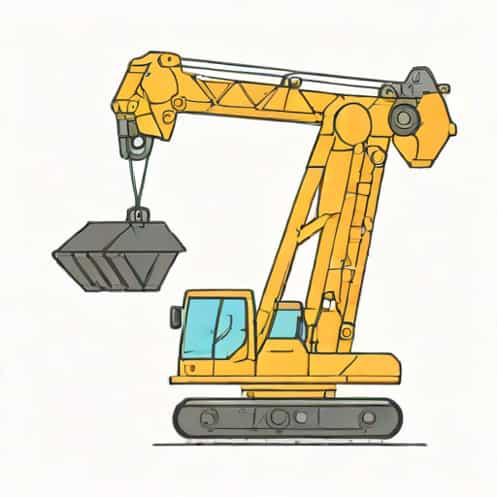
Becoming a crane operator is a rewarding career path for people who enjoy hands-on work, mechanical equipment, and operating powerful machines safely. Many industries depend on skilled crane operators, including construction, shipping, manufacturing, and logistics. Although the job might look simple from a distance, it requires extensive training, safety awareness, certification, and strong communication skills. Understanding how to be a crane operator involves learning both the technical and practical aspects of the role, as well as developing the right mindset to handle heavy equipment responsibly.
Understanding the Role of a Crane Operator
A crane operator controls heavy lifting machines used to move large materials on job sites. Depending on the crane type and industry, operators may lift steel beams, shipping containers, concrete panels, or other heavy structures. The job demands precision, patience, and constant attention to detail.
Common Responsibilities
- Inspecting and maintaining cranes before and after use.
- Following safety guidelines and operational procedures.
- Lifting and moving heavy materials accurately.
- Communicating with signalers, supervisors, and ground workers.
- Documenting operations and reporting issues.
Types of Cranes You May Operate
Before learning how to be a crane operator, it helps to know the different categories of cranes. Each type requires specific training and presents unique challenges.
Mobile Cranes
These cranes are mounted on trucks or crawlers and used in many construction environments. They are flexible, quick to deploy, and often used for lifting materials across a site.
Tower Cranes
Tower cranes rise high above building sites and are essential for constructing tall buildings. They require strong knowledge of counterweights, load limits, and weather conditions.
Overhead Cranes
Often found in factories and warehouses, overhead cranes travel along rails and lift heavy products or parts within a controlled indoor environment.
Rough-Terrain Cranes
Designed for challenging job sites, these cranes are capable of moving across uneven ground and performing lifts in off-road environments.
Learning the Required Skills
To be a successful crane operator, you need a combination of mechanical understanding, coordination, communication, and situational awareness. Many of these skills develop through training and supervised practice.
Mechanical and Technical Skills
Understanding how cranes work hydraulics, load charts, lifting capacities, and rigging is essential. Operators must know how different loads affect balance and stability during lifts.
Hand-Eye Coordination and Focus
Operating a crane requires smooth, precise movements. One mistake can cause damage or injury, so focus and steady coordination are key.
Communication Skills
Crane operators often rely on signal persons who guide them using hand signals or radio communication. Clear understanding prevents accidents and ensures smooth workflow.
Training and Certification
Learning how to be a crane operator involves completing formal training programs. These programs teach equipment operation, safety regulations, rigging fundamentals, and emergency procedures.
Formal Training Programs
Many technical schools, trade programs, and training centers offer crane operation courses. These programs usually include classroom instruction and hands-on practice with certified instructors.
Certification Requirements
Certification proves that an operator is qualified and safe. Requirements vary by country, but most regions have standardized guidelines. Certification exams typically include
- A written test covering safety and operational knowledge.
- A practical exam demonstrating real crane operation.
Maintaining certification may require periodic renewals, additional training, or documented hours of operation.
Gaining Experience on the Job
Many operators begin as apprentices or entry-level workers. This stage allows newcomers to observe experienced crane operators and gradually take on responsibilities.
Apprenticeships
Apprenticeships offer structured learning with classroom training and supervised fieldwork. These programs help new operators learn proper equipment handling, safety protocols, and job site communication.
On-the-Job Training
Some companies provide in-house training where new employees work closely with senior operators. This experience is valuable for building confidence and improving skill consistency.
Safety Considerations for Crane Operators
Safety is the most important aspect of crane operation. The job involves significant hazards, but many risks can be minimized through proper procedures and planning.
Load Limits and Stability
Every crane has a maximum lifting capacity. Operators must read load charts carefully and ensure the crane is stable before performing lifts. Overloading a crane can cause tipping or structural failure.
Weather Awareness
Wind, rain, lightning, and extreme temperatures impact crane safety. Tower cranes, for example, must avoid lifting in high winds. Operators must monitor weather conditions continuously.
Communication and Clear Signals
Miscommunication can lead to serious accidents. Operators must follow standard hand signals and use clear radio communication with the ground crew.
Equipment Checks
Daily inspections help identify problems before they become dangerous. Operators check brakes, cables, hooks, hydraulics, and safety devices to ensure the crane is operating correctly.
Advancing Your Career
Once you learn how to be a crane operator and gain field experience, there are many opportunities for advancement. Skilled operators can specialize in different crane types, supervise other workers, or move into safety management roles.
Specializations
- Tower crane operations for high-rise construction.
- Heavy-lift operations for large industrial projects.
- Overhead crane operations for manufacturing plants.
Becoming a Trainer or Supervisor
Experienced operators can transition into roles such as training instructor, field supervisor, or safety coordinator. These positions require leadership skills and deep knowledge of crane operation standards.
Tips for Success in the Industry
Excelling as a crane operator requires more than technical ability. Professionalism, reliability, and continuous learning also contribute to long-term success.
Helpful Tips
- Always follow safety rules, even during routine tasks.
- Communicate clearly with coworkers at all times.
- Stay updated with new equipment and technology.
- Maintain physical fitness to handle the demands of the job.
- Practice patience and avoid rushing critical lifts.
Learning how to be a crane operator is a step-by-step process that involves training, certification, hands-on experience, and a strong commitment to safety. This career offers stability, good income, and the satisfaction of contributing to major projects. Whether you aim to work on construction sites, shipyards, or manufacturing plants, mastering crane operation skills opens the door to many opportunities. With dedication, proper education, and consistent practice, you can build a successful career as a competent, confident crane operator.