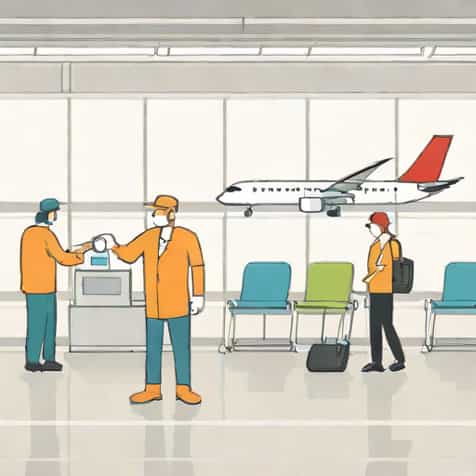
Airports are hubs of international travel, and in recent years, you may have noticed personnel swabbing passengers or surfaces as part of health and security protocols. Whether it’s a quick nasal swab, a surface test, or random screening, travelers often wonder What are they swabbing for at the airport? Understanding the purpose of these swabs, the procedures involved, and the reasons behind them can help travelers feel more informed and at ease during their journey. These swabs are part of broader efforts to ensure public health, safety, and compliance with regulations during travel.
Health Screening and Disease Prevention
One of the primary reasons airports conduct swabbing is for health screening and the prevention of infectious diseases. Swabs are often used to collect samples from the nasal passages, throat, or saliva to test for viruses or bacteria that could pose a risk to other travelers. Common examples include testing for COVID-19, influenza, or other contagious respiratory infections. By identifying infected individuals, airports aim to prevent outbreaks and reduce the spread of disease across borders.
Nasal and Throat Swabs
Nasal and throat swabs are commonly used for diagnostic testing. These swabs collect cells, mucus, and other biological material that may contain pathogens. The samples are then analyzed using laboratory techniques such as polymerase chain reaction (PCR) tests or rapid antigen tests. PCR tests are highly sensitive and can detect even small amounts of viral genetic material, while rapid tests provide quicker results for immediate decision-making.
Customs and Security Screening
Swabbing at airports is not only limited to health purposes. Security personnel may also use swabs to detect trace amounts of explosives, drugs, or other prohibited substances. These swabs are typically taken from luggage, clothing, or frequently touched surfaces to ensure compliance with airport security regulations. Advanced detection technologies can identify extremely small quantities of hazardous materials, helping prevent smuggling and ensuring passenger safety.
Explosives and Drug Detection
Swabs for security purposes are usually analyzed with sensitive instruments such as ion mobility spectrometers or chemical detectors. These devices can detect residues from explosives, narcotics, or other dangerous substances. Security swabbing is an essential part of airport safety protocols, ensuring that passengers, crew, and airport staff are protected from potential threats. Unlike health swabs, these do not involve biological samples from travelers themselves unless part of a broader screening program.
Environmental and Surface Testing
Another reason airports conduct swabbing is environmental monitoring. Airports are high-traffic areas with constant contact on surfaces such as handrails, kiosks, and seating areas. Swabbing surfaces helps authorities track contamination levels, monitor for pathogens, and implement cleaning measures. This type of swabbing can prevent the spread of infectious agents through surface contact and maintain hygiene standards throughout the terminal.
Routine Maintenance and Monitoring
Surface swabbing is often part of routine maintenance programs. By regularly testing areas for bacteria, viruses, or mold, airport management can identify problem areas and implement enhanced cleaning protocols. Environmental swabbing ensures that travelers have a safer and cleaner environment, especially during flu seasons or in the event of global health concerns.
How the Swabbing Process Works
The swabbing process is typically quick and minimally invasive. For health screening, a trained professional gently inserts a swab into the nasal cavity, throat, or collects saliva from the mouth. The swab is then placed into a sterile container and labeled for laboratory analysis. For security swabs, personnel may swipe a swab over luggage handles, shoes, or other surfaces to pick up trace residues. The sample is then analyzed using specialized detection equipment. Environmental swabs follow a similar procedure but are focused on public surfaces rather than people.
Traveler Experience
While the idea of swabbing may feel intimidating, most procedures are fast and cause minimal discomfort. Health swabs, such as those used for COVID-19, take only a few seconds and may cause a brief tickling sensation. Security swabs are non-invasive and do not touch the body directly. Environmental swabs are performed discreetly without affecting travelers. Awareness of these procedures can help passengers feel prepared and reduce anxiety during airport screenings.
Importance of Swabbing at Airports
Swabbing at airports serves several critical purposes
- Preventing the spread of infectious diseasesIdentifying carriers of contagious viruses or bacteria before they board a plane reduces the risk of international outbreaks.
- Ensuring airport securityDetecting explosives, narcotics, and other hazardous substances keeps travelers and staff safe.
- Monitoring environmental hygieneRegular surface testing maintains cleanliness and prevents indirect transmission of pathogens.
- Compliance with health regulationsAirports follow national and international guidelines to maintain safe travel conditions.
- Public confidenceVisible health and safety measures reassure travelers that their well-being is prioritized.
Global Context
The use of swabs at airports has become more widespread due to global health challenges like the COVID-19 pandemic. Countries have implemented mandatory testing, quarantine protocols, and contact tracing measures to reduce transmission. Swabbing ensures that infected individuals can be identified early, travel restrictions are enforced, and public health risks are minimized. Similarly, security swabs are part of global aviation safety measures, ensuring consistency and safety standards across international airports.
So, what are they swabbing for at the airport? The answer depends on the context health screening, security checks, or environmental monitoring. Health swabs detect viruses and bacteria to prevent disease spread, security swabs identify explosives or narcotics to maintain safety, and environmental swabs monitor contamination on surfaces. Although these procedures may seem intrusive, they play an essential role in keeping travelers safe, maintaining hygiene, and preventing public health emergencies. Understanding the purpose and process of airport swabbing helps travelers feel more informed, compliant, and confident during their journey. The next time you see a swab being taken at the airport, you can appreciate that it is part of a coordinated effort to protect both passengers and the broader community, ensuring safe, healthy, and secure travel around the world.