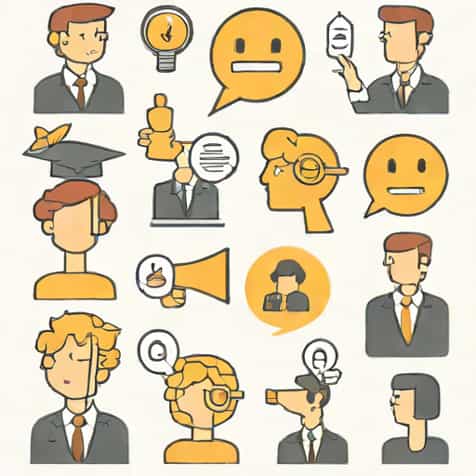
Effective communication is a fundamental skill that plays a crucial role in both personal and professional life. Communication is not limited to just the words we speak; it also encompasses non-verbal cues that convey meaning and emotion. Understanding and developing both verbal and non-verbal communication skills can significantly enhance interactions, build stronger relationships, and improve collaboration in various settings. In today’s interconnected world, being able to communicate clearly and effectively has become more important than ever.
What is Verbal Communication?
Verbal communication refers to the use of words to convey a message. It involves speaking or writing in a way that others can understand, and it often includes the tone, pitch, and pace of speech, which can influence how the message is received. Verbal communication can occur in face-to-face conversations, phone calls, video conferences, presentations, or written formats such as emails, letters, and reports.
Key Components of Verbal Communication
Effective verbal communication involves several key components that ensure clarity and understanding
-
ClarityUsing clear and concise language helps prevent misunderstandings and ensures the message is easily understood.
-
Tone and PitchThe way something is said can convey emotions such as enthusiasm, concern, or urgency.
-
VocabularyChoosing appropriate words for the audience ensures effective delivery of the message.
-
Listening SkillsVerbal communication is a two-way process, and active listening ensures that responses are relevant and informed.
-
FeedbackReceiving and giving feedback helps confirm understanding and encourages engagement.
What is Non-Verbal Communication?
Non-verbal communication involves conveying messages without using words. This type of communication is often subconscious but has a significant impact on how messages are interpreted. Non-verbal communication includes facial expressions, body language, gestures, posture, eye contact, and even the use of space. It complements verbal communication and can reinforce, contradict, or enhance the message being delivered.
Types of Non-Verbal Communication
-
Facial ExpressionsSmiles, frowns, and raised eyebrows convey emotions and reactions.
-
Body LanguagePosture, movements, and gestures can indicate confidence, openness, or nervousness.
-
Eye ContactMaintaining eye contact can show interest and attentiveness, while avoiding it may signal discomfort or distraction.
-
ProxemicsThe use of personal space communicates comfort levels and social boundaries.
-
ParalanguageVocal qualities such as tone, pitch, and volume enhance the verbal message.
-
AppearanceClothing and grooming can send messages about professionalism and personality.
The Interplay Between Verbal and Non-Verbal Communication
Verbal and non-verbal communication skills often work together to convey a complete message. Non-verbal cues can emphasize what is being said verbally, add emotion, or provide additional context. For example, saying I am happy to see you with a smile and relaxed posture reinforces the positivity of the message. Conversely, contradictory non-verbal signals, such as crossing arms while expressing agreement, may create confusion or signal hidden emotions.
Enhancing Communication Through Alignment
To communicate effectively, it is important to align verbal and non-verbal messages. Consistency between words and body language builds trust and credibility, while inconsistency can lead to misunderstandings. Being aware of your non-verbal cues, such as gestures, tone, and facial expressions, ensures that your intended message is conveyed accurately and received positively by others.
Developing Verbal Communication Skills
Improving verbal communication skills involves practice and awareness of how messages are constructed and delivered. Key strategies include
-
Expanding VocabularyUsing a broad range of words allows you to articulate ideas more precisely.
-
Practicing Active ListeningPaying close attention to others’ words and responding thoughtfully enhances understanding.
-
Engaging in Public SpeakingPresenting in front of groups builds confidence and improves clarity in speech.
-
Receiving FeedbackConstructive feedback helps identify strengths and areas for improvement.
-
Adapting to AudienceTailoring language and tone to suit the audience ensures effective communication.
Developing Non-Verbal Communication Skills
Non-verbal communication skills are equally important and require attention to detail and self-awareness. Strategies for improvement include
-
Observing OthersLearning from how others use gestures, facial expressions, and posture can improve your own non-verbal skills.
-
Practicing Body LanguageEnsuring open and confident postures enhances perception and engagement.
-
Maintaining Eye ContactAppropriate eye contact fosters connection and shows attentiveness.
-
Monitoring Facial ExpressionsBeing conscious of emotions conveyed through expressions helps prevent miscommunication.
-
Using Gestures EffectivelyComplementing verbal communication with purposeful gestures can clarify and emphasize key points.
The Role of Communication Skills in Professional and Personal Life
Strong verbal and non-verbal communication skills are essential in nearly every aspect of life. In the workplace, effective communication fosters teamwork, improves leadership abilities, and facilitates problem-solving. Professionals who communicate clearly and interpret non-verbal cues accurately can negotiate better, manage conflicts efficiently, and create positive impressions with clients and colleagues.
In personal relationships, communication skills enhance understanding, reduce misunderstandings, and build stronger connections. Being able to express feelings verbally while reading and responding to non-verbal signals from others creates deeper emotional bonds and empathy. Whether in family interactions, friendships, or romantic relationships, these skills contribute to healthier and more satisfying relationships.
Challenges in Communication
Despite its importance, communication can present challenges. Misinterpretation of verbal or non-verbal cues can lead to confusion or conflict. Cultural differences also influence communication styles, as gestures, expressions, and tone may have different meanings in various cultural contexts. Awareness, practice, and adaptability are key to overcoming these challenges and ensuring messages are received as intended.
Strategies for Overcoming Communication Barriers
-
Seek clarification when messages are unclear.
-
Be mindful of cultural differences and adapt communication styles accordingly.
-
Practice active listening and provide feedback to confirm understanding.
-
Observe non-verbal cues and adjust responses to align with the context.
-
Engage in continuous learning and self-improvement to enhance both verbal and non-verbal skills.
Verbal and non-verbal communication skills are indispensable tools for effective interaction in all areas of life. Developing these skills requires awareness, practice, and the ability to adapt to different contexts and audiences. By mastering both verbal expression and non-verbal cues, individuals can convey messages clearly, build trust, foster collaboration, and strengthen relationships. Whether in professional settings or personal interactions, strong communication skills enhance understanding, minimize conflicts, and contribute to overall success and fulfillment. Prioritizing the development of both verbal and non-verbal communication skills is a valuable investment in personal and professional growth.