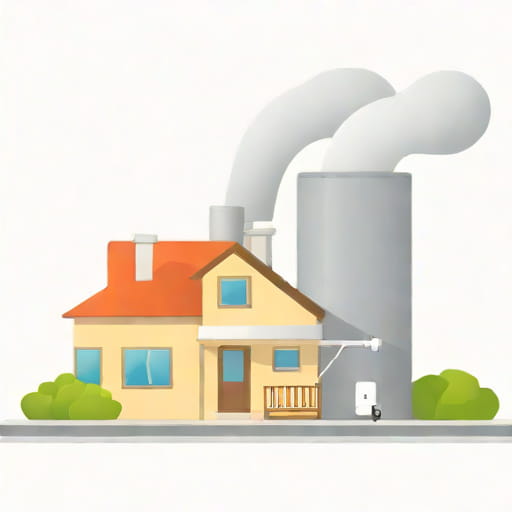
A vapor intrusion mitigation system is a critical component in protecting indoor air quality from harmful volatile chemicals that may migrate from contaminated soil or groundwater into buildings. Vapor intrusion occurs when toxic vapors, such as volatile organic compounds (VOCs), enter a structure through cracks in the foundation, utility conduits, or other openings, posing significant health risks to occupants. Implementing an effective mitigation system helps reduce exposure, maintain safe indoor environments, and comply with environmental regulations. These systems are designed using specialized engineering techniques, combining sub-slab depressurization, ventilation strategies, and barrier installations to prevent hazardous vapors from entering occupied spaces. Understanding how these systems function and their benefits is essential for homeowners, building managers, and environmental professionals seeking to address vapor intrusion challenges safely and efficiently.
Understanding Vapor Intrusion
Vapor intrusion is a process where chemical vapors migrate from contaminated soil or groundwater into the indoor air of buildings. Common contaminants include trichloroethylene (TCE), tetrachloroethylene (PCE), benzene, and other volatile organic compounds. These chemicals can originate from industrial spills, leaking underground storage tanks, or historical disposal practices. The intrusion typically occurs through small cracks in concrete slabs, gaps around pipes, or poorly sealed utility penetrations. Over time, the accumulation of these vapors can reach levels that pose serious health risks, such as respiratory issues, neurological effects, and even long-term exposure concerns including cancer. Monitoring and mitigation are therefore essential in maintaining a safe indoor environment.
Signs of Vapor Intrusion
Identifying vapor intrusion can be challenging, as the process is often invisible and odorless. Some potential indicators include
- Unexplained chemical odors indoors.
- Elevated indoor air concentrations detected during environmental testing.
- Health symptoms in occupants, such as headaches, dizziness, or nausea.
- Presence of contaminated soil or groundwater near the building.
Professional testing and assessment are necessary to confirm vapor intrusion and determine the appropriate mitigation measures.
Components of a Vapor Intrusion Mitigation System
A well-designed vapor intrusion mitigation system incorporates multiple components to prevent harmful vapors from entering indoor spaces. Key elements include
Sub-Slab Depressurization
Sub-slab depressurization is one of the most common mitigation techniques. It involves installing a network of perforated pipes beneath the building’s foundation slab, connected to a fan system that creates negative pressure. This vacuum draws vapors from beneath the slab and vents them safely above the roofline, preventing them from entering the occupied space. Proper design ensures uniform airflow and minimizes any backflow of vapors.
Sealing and Barrier Systems
Sealing cracks, joints, and utility penetrations in the building foundation is critical to enhance the effectiveness of a mitigation system. In some cases, vapor barriers such as high-density polyethylene sheets are installed beneath slabs or along foundation walls to provide an additional layer of protection. These barriers reduce the migration of vapors and work in conjunction with depressurization systems to improve overall indoor air quality.
Ventilation Systems
Supplemental ventilation can be used to reduce indoor vapor concentrations. By increasing airflow and exchanging indoor air with outdoor air, the system dilutes any residual vapors and maintains safe conditions. Mechanical ventilation may be integrated with sub-slab depressurization to enhance performance and ensure continuous mitigation. In certain building types, passive venting systems may also be employed as a cost-effective alternative.
Design Considerations
Designing an effective vapor intrusion mitigation system requires careful assessment of site conditions, building characteristics, and contaminant properties. Key considerations include
- Building StructureSlab type, foundation materials, and basement presence.
- Soil and Groundwater ConditionsContaminant type, concentration, and depth.
- Airflow DynamicsEnsuring uniform suction and preventing backflow.
- Regulatory RequirementsCompliance with local, state, and federal environmental standards.
Environmental engineers typically conduct detailed evaluations, including sub-slab soil gas testing, indoor air sampling, and modeling of vapor migration, to determine the optimal system configuration for a specific building.
Maintenance and Monitoring
Once installed, a vapor intrusion mitigation system requires ongoing maintenance and monitoring to ensure continued effectiveness. Regular inspection of fans, piping, and seals is essential to detect any malfunction or damage. Monitoring indoor air concentrations helps verify that the system is reducing vapor levels as intended. Data from monitoring can inform adjustments or upgrades, maintaining long-term protection for building occupants. Some systems incorporate continuous monitoring sensors that provide real-time feedback, allowing immediate response to any changes in vapor intrusion conditions.
Cost and Implementation
The cost of installing a vapor intrusion mitigation system varies depending on building size, foundation type, and contamination levels. Sub-slab depressurization is generally considered the most effective and widely used technique, though additional barriers or ventilation systems may increase costs. Despite the initial investment, the benefits of protecting human health, avoiding regulatory penalties, and preserving property value outweigh the expenses. Implementation typically involves site assessment, system design, installation, and verification testing, with professional contractors experienced in environmental remediation handling the process.
Benefits of Vapor Intrusion Mitigation
Implementing a vapor intrusion mitigation system offers multiple benefits beyond immediate health protection. These include
- Improved indoor air quality, reducing exposure to toxic chemicals.
- Compliance with environmental regulations and building codes.
- Long-term property value preservation and reduced liability.
- Peace of mind for occupants, knowing the building environment is safe.
- Flexibility to adapt to changing contamination or building conditions.
Case Studies and Applications
Vapor intrusion mitigation systems have been successfully applied in residential, commercial, and industrial buildings across the country. Case studies demonstrate that properly designed systems effectively reduce indoor contaminant levels to meet health-based standards. In addition, these systems are adaptable, allowing integration with new construction projects or retrofitting existing buildings. Environmental professionals often share best practices, highlighting the importance of site-specific solutions and thorough monitoring to achieve the desired outcomes.
A vapor intrusion mitigation system is an essential tool in safeguarding indoor air quality and protecting building occupants from hazardous chemical vapors. By combining sub-slab depressurization, sealing techniques, ventilation, and careful design, these systems effectively prevent toxic compounds from entering occupied spaces. Regular maintenance and monitoring ensure long-term effectiveness, while professional installation guarantees compliance with safety and regulatory standards. For homeowners, building managers, and environmental professionals, investing in a vapor intrusion mitigation system provides both health protection and peace of mind, demonstrating a proactive approach to addressing a complex environmental concern.
Overall, understanding and implementing a vapor intrusion mitigation system is crucial for maintaining safe indoor environments, particularly in areas with known soil or groundwater contamination. These systems offer a reliable, scientifically-backed solution that balances technical effectiveness with practical application, ensuring that buildings remain safe, compliant, and suitable for long-term occupancy.