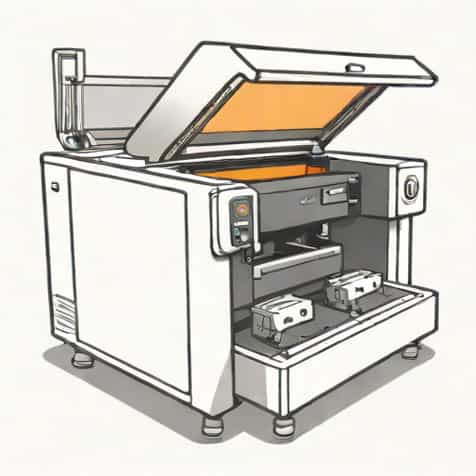
UV laser engraving machines have revolutionized the way industries and hobbyists approach precision marking and cutting. These machines use ultraviolet light to engrave detailed designs on a wide range of materials, including plastics, glass, metals, and even delicate substrates that cannot withstand high heat. Unlike traditional engraving tools, UV laser engraving machines offer high precision, minimal heat damage, and long-lasting results. This technology has become increasingly popular in manufacturing, electronics, jewelry, and custom product industries, providing both efficiency and accuracy in creating intricate patterns and permanent markings.
Understanding UV Laser Engraving Technology
UV laser engraving machines utilize ultraviolet laser beams to remove material at a microscopic level. The wavelength of UV light is much shorter than that of visible or infrared lasers, allowing for extremely precise engraving without significant heat accumulation. This makes it ideal for applications where thermal damage or deformation is a concern. The process involves directing the laser beam onto the material, where it breaks molecular bonds to produce high-quality markings or etchings with remarkable clarity.
How UV Laser Engraving Works
The process starts with a digital design that is loaded into the laser engraving machine’s software. Once the material is positioned on the machine bed, the UV laser is activated, and the beam follows the design path. The laser removes or alters the surface layer of the material in a controlled manner, producing clean, permanent engravings. The ability to focus on extremely small areas allows for detailed work, including micro-marking for electronics, barcodes, serial numbers, or decorative patterns.
Applications of UV Laser Engraving Machines
UV laser engraving machines are widely used across various industries due to their versatility and precision. They can engrave materials that are difficult or impossible to process using traditional methods, including glass, acrylic, ceramics, metals, and certain plastics. This technology is also ideal for marking sensitive electronic components, medical devices, and jewelry, where accuracy and heat management are critical.
Industrial Applications
In the industrial sector, UV laser engraving machines are commonly used for product labeling, serial numbers, barcodes, and QR codes. These engravings are permanent, resistant to wear, and readable under various conditions, making them essential for traceability and quality control. The machines also enable manufacturers to add logos, safety instructions, or part numbers directly onto products, reducing the need for labels or stickers that may wear off over time.
Medical and Electronics Uses
In the medical industry, UV laser engraving is employed to mark surgical tools, implants, and medical devices. The precision and low heat impact ensure that sensitive equipment maintains its integrity while being clearly labeled for identification and compliance purposes. Similarly, in electronics, UV laser engraving is used to mark microchips, circuit boards, and components without causing thermal damage or compromising functionality. This capability is particularly important for modern, high-density electronic devices.
Advantages of UV Laser Engraving Machines
One of the most significant benefits of UV laser engraving machines is their ability to work on a wide variety of materials without causing heat-related damage. Other advantages include
- High PrecisionThe short wavelength of UV lasers allows for extremely fine and detailed engravings, suitable for intricate designs and micro-marking.
- Minimal Heat ImpactUV lasers remove material with low thermal influence, reducing the risk of warping, cracking, or discoloration.
- Permanent ResultsEngravings are durable and resistant to wear, chemicals, and environmental factors, ensuring longevity.
- VersatilityThese machines can engrave on plastics, metals, glass, ceramics, and other materials, expanding their range of applications.
- Eco-FriendlyThe process produces less waste compared to traditional methods, and often no additional chemicals or inks are required.
Customization and Creative Applications
UV laser engraving machines are also popular in creative industries. Artists, jewelers, and designers use them to add unique patterns, personalized engravings, and complex decorative elements to products. The ability to produce high-quality engravings on delicate surfaces opens new possibilities for custom merchandise, awards, promotional items, and gifts. Businesses can leverage this technology to offer personalized products with consistent quality and precision.
Choosing the Right UV Laser Engraving Machine
Selecting the appropriate UV laser engraving machine depends on factors such as material compatibility, engraving area size, resolution, and power requirements. Machines vary in wattage, which affects engraving speed and depth, and in bed size, which determines the maximum size of materials that can be processed. Additionally, software compatibility, automation features, and maintenance requirements are critical considerations for both industrial and small-scale users.
Factors to Consider
- Material TypesEnsure the machine can handle the materials you plan to engrave.
- Precision NeedsConsider the level of detail and resolution required for your designs.
- Production VolumeHigh-volume operations may require machines with faster engraving speeds and larger beds.
- MaintenanceCheck the ease of maintenance, replacement parts, and technical support availability.
- Cost EfficiencyBalance upfront investment with operational costs, energy consumption, and long-term durability.
Maintenance and Safety Considerations
Proper maintenance is crucial for the longevity and performance of UV laser engraving machines. Regular cleaning of lenses, mirrors, and work areas ensures consistent results. Users should follow manufacturer guidelines for calibration and preventive maintenance. Safety precautions, such as protective eyewear and ventilation, are essential due to the high-intensity laser beams and potential fumes from certain materials. Training operators to handle the machine correctly also helps prevent accidents and ensures optimal performance.
Future Trends in UV Laser Engraving
The future of UV laser engraving machines is promising, with advancements in automation, AI-assisted design, and higher efficiency systems. Emerging technologies aim to reduce energy consumption, increase engraving speed, and enable even finer micro-marking capabilities. As industries continue to demand precision, durability, and customization, UV laser engraving machines will likely see broader adoption across manufacturing, medical, electronics, and creative sectors.
UV laser engraving machines represent a significant technological advancement in precision marking and cutting. They offer high accuracy, minimal heat impact, and versatility across a wide range of materials, making them invaluable for industrial, medical, electronics, and creative applications. By combining efficiency, durability, and customization potential, these machines enable businesses and creators to achieve high-quality results consistently. As technology continues to evolve, UV laser engraving machines are expected to play an increasingly central role in modern manufacturing, design, and personalization, making them a vital tool for both professionals and hobbyists alike.