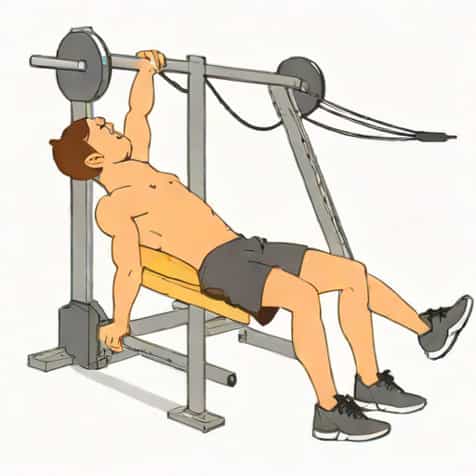
The upper glute cable kickback is a highly effective exercise for targeting the gluteus muscles, particularly the upper portion of the glutes, which can often be difficult to engage with standard lower body workouts. This exercise is popular among fitness enthusiasts looking to enhance glute shape, strength, and overall lower body stability. By using a cable machine, the upper glute cable kickback provides constant tension throughout the movement, promoting muscle activation and growth. Incorporating this exercise into a regular workout routine can help improve athletic performance, posture, and aesthetic appearance.
Understanding the Upper Glute Cable Kickback
The upper glute cable kickback focuses on the gluteus maximus, with an emphasis on the upper region near the hip. This area contributes to the lift and contour of the buttocks. Unlike squats or lunges, which distribute effort across multiple muscles, the cable kickback isolates the glutes, allowing for more targeted activation. Proper technique ensures maximum effectiveness and reduces the risk of injury, making it essential to learn the correct form before adding heavy resistance.
Muscles Targeted
- Upper gluteus maximus
- Gluteus medius
- Hamstrings (secondary engagement)
- Hip stabilizers and core muscles
Engaging these muscles during the cable kickback helps strengthen the hips, improve balance, and enhance lower body aesthetics. Additionally, targeting the upper glute region can aid in creating a lifted and firm appearance.
Proper Form and Technique
Executing the upper glute cable kickback correctly is critical for isolating the glutes and preventing strain on the lower back. The exercise typically involves attaching an ankle strap to a cable machine, positioning yourself on all fours or using a standing attachment, and kicking the leg backward against the resistance of the cable.
Step-by-Step Instructions
- Attach the ankle strap securely to your working leg and connect it to the low pulley of a cable machine.
- Position yourself facing the machine while holding onto the base for stability, or get on all fours if using a floor attachment.
- Keep your core engaged and back straight throughout the movement.
- Lift your working leg backward, focusing on contracting the upper glute muscles, without arching your lower back.
- Pause briefly at the top of the motion, then slowly return to the starting position under control.
- Perform the desired number of repetitions and switch to the other leg.
Common Mistakes to Avoid
To maximize the effectiveness of the upper glute cable kickback, it is important to avoid common mistakes such as
- Arching the lower back, which can lead to strain and reduced glute engagement.
- Using momentum rather than controlled muscle contractions.
- Allowing the knee to bend excessively instead of keeping a controlled, slightly bent leg.
- Neglecting to engage the core for stability.
Benefits of the Upper Glute Cable Kickback
This exercise offers a range of benefits beyond just building glute size. Incorporating upper glute cable kickbacks into your fitness routine can improve lower body strength, posture, and athletic performance.
Glute Strength and Shape
The primary benefit of this exercise is enhanced glute strength and definition. By isolating the upper glute muscles, the kickback helps create a lifted and toned appearance. Over time, increased muscle mass contributes to better hip extension and overall lower body aesthetics.
Improved Core Stability
Maintaining balance and proper posture during the exercise engages the core muscles, particularly the abdominal and lower back stabilizers. This helps improve overall body control, balance, and functional strength for daily activities and other compound exercises.
Enhanced Athletic Performance
Strong glutes are essential for athletic movements such as running, jumping, and squatting. The upper glute cable kickback strengthens the muscles responsible for hip extension and stability, improving speed, power, and agility. Athletes and fitness enthusiasts often include this exercise in their training to optimize lower body performance.
Variations and Modifications
To prevent plateaus and challenge the glutes from different angles, variations of the cable kickback can be implemented. These modifications cater to different fitness levels and can be incorporated into both beginner and advanced routines.
Standing Cable Kickback
Performing the exercise while standing allows for better balance work and core engagement. Use one hand on the machine for stability and focus on controlled movement of the working leg.
Kneeling Cable Kickback
This variation involves kneeling on the floor with the cable attachment connected to the ankle. It provides a more stable base and is ideal for beginners who are learning to engage the glutes effectively.
Single-Leg Glute Kickback with Resistance Bands
For those without access to a cable machine, resistance bands can replicate the motion and tension. Loop the band around the ankle and anchor it securely to a fixed point, performing the same controlled kickback movement.
Incorporating Upper Glute Cable Kickbacks into a Workout Routine
To maximize results, the upper glute cable kickback should be combined with other lower body exercises. Pairing it with squats, lunges, hip thrusts, and deadlifts creates a comprehensive glute training program that targets all regions of the glute muscles.
Repetitions and Sets
For muscle toning, perform 3-4 sets of 12-15 repetitions per leg. For strength and hypertrophy, increase resistance and aim for 8-12 repetitions per set. Always maintain controlled movements and proper form to prevent injury and maximize muscle activation.
Frequency
Incorporate the exercise 2-3 times per week as part of a lower body or glute-focused workout. Allow adequate rest between sessions to promote muscle recovery and growth. Gradually increase resistance as the muscles adapt to maintain continuous progress.
The upper glute cable kickback is a highly effective exercise for targeting and shaping the upper glutes while also engaging core stabilizers and supporting overall lower body strength. By focusing on proper form, controlled movements, and progressive resistance, this exercise can lead to enhanced glute tone, improved posture, and better athletic performance. Incorporating variations, maintaining a balanced workout routine, and combining the kickback with other compound lower body exercises ensures comprehensive development of the glute muscles. Whether for aesthetic goals or functional strength, the upper glute cable kickback remains an essential component of any well-rounded fitness program.