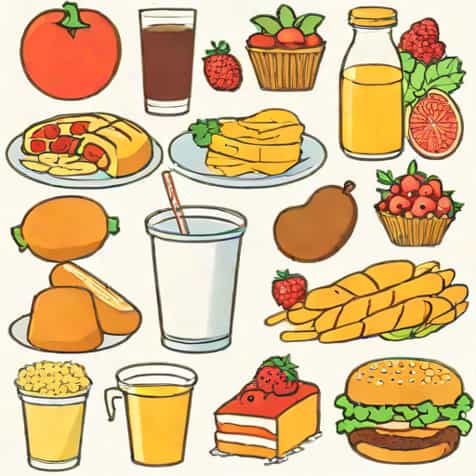
Food plays a crucial role in maintaining health, providing energy, and supporting growth and bodily functions. The types of food we consume daily can be broadly categorized as healthy or unhealthy, based on their nutritional content, processing level, and impact on our body. Healthy foods nourish the body, improve immunity, and reduce the risk of chronic diseases, while unhealthy foods often contribute to weight gain, poor energy levels, and long-term health problems. Understanding the differences between healthy and unhealthy food is essential for making informed dietary choices and promoting overall well-being.
Understanding Healthy Food
Healthy food refers to natural or minimally processed foods that provide essential nutrients such as vitamins, minerals, fiber, and antioxidants. These foods support physical and mental health, boost energy, and help maintain a healthy weight. Incorporating a variety of healthy foods into daily meals ensures that the body receives a balanced supply of nutrients necessary for optimal functioning.
Types of Healthy Food
Healthy food includes a wide range of options from different food groups
- FruitsApples, berries, oranges, bananas, and other fresh fruits are rich in vitamins, fiber, and antioxidants that help reduce inflammation and support heart health.
- VegetablesLeafy greens, carrots, broccoli, and peppers provide essential nutrients and fiber while being low in calories, supporting digestion and immune function.
- Whole GrainsFoods such as brown rice, oats, quinoa, and whole wheat products contain fiber and complex carbohydrates that provide sustained energy and regulate blood sugar levels.
- Lean ProteinsChicken, turkey, fish, beans, and legumes offer high-quality protein that supports muscle development, tissue repair, and overall metabolism.
- Healthy FatsNuts, seeds, avocado, and olive oil supply essential fatty acids that improve brain function, reduce inflammation, and maintain heart health.
- Dairy or AlternativesLow-fat yogurt, milk, and fortified plant-based alternatives provide calcium, vitamin D, and protein for strong bones and teeth.
Benefits of Healthy Food
Consuming healthy foods regularly offers multiple benefits
- Supports a strong immune system and reduces susceptibility to illnesses.
- Maintains healthy body weight and prevents obesity-related conditions.
- Reduces the risk of chronic diseases such as diabetes, heart disease, and certain cancers.
- Enhances mental health and cognitive function through nutrient-rich diets.
- Improves energy levels and overall vitality, promoting a better quality of life.
Understanding Unhealthy Food
Unhealthy food typically refers to processed or highly refined foods that are high in added sugars, unhealthy fats, salt, and calories but low in essential nutrients. Regular consumption of such foods can lead to poor health outcomes, including weight gain, nutrient deficiencies, and an increased risk of chronic diseases. While occasional indulgence is acceptable, frequent reliance on unhealthy food can undermine long-term health.
Types of Unhealthy Food
Unhealthy foods often include
- Fast FoodBurgers, fried chicken, and pizza from fast-food chains are often high in saturated fats, sodium, and calories.
- Sugary SnacksCandy, chocolate bars, and pastries contain excessive sugar that can spike blood glucose levels and contribute to dental problems.
- Processed MeatsSausages, hot dogs, and bacon are often high in preservatives, sodium, and unhealthy fats.
- Refined GrainsWhite bread, white rice, and many packaged snacks lack fiber and can lead to rapid blood sugar spikes.
- Sugary BeveragesSodas, energy drinks, and sweetened juices contain high sugar content without essential nutrients, promoting weight gain and metabolic issues.
- Deep-Fried FoodsChips, fried snacks, and battered foods are calorie-dense and often contain trans fats that are harmful to heart health.
Impact of Unhealthy Food
Frequent consumption of unhealthy food can lead to several negative health effects
- Increased risk of obesity, high blood pressure, and heart disease.
- Higher likelihood of developing type 2 diabetes due to excessive sugar intake.
- Nutrient deficiencies because these foods often replace nutrient-dense options.
- Digestive issues due to low fiber content in many processed foods.
- Mental health impacts, including reduced mood stability and cognitive function.
Balancing Healthy and Unhealthy Foods
While it is important to prioritize healthy foods, occasional indulgence in unhealthy options can be part of a balanced lifestyle. The key is moderation, portion control, and mindful eating. Understanding the nutritional value of foods and making conscious choices can help maintain health without completely eliminating treats.
Tips for a Balanced Diet
- Fill half your plate with vegetables and fruits at every meal.
- Choose whole grains over refined grains for better fiber and sustained energy.
- Select lean proteins and plant-based options whenever possible.
- Limit processed and sugary foods to occasional treats rather than daily consumption.
- Stay hydrated with water or unsweetened beverages instead of sugary drinks.
- Read nutrition labels to make informed choices about fat, sugar, and sodium content.
The Role of Education and Awareness
Education about healthy and unhealthy food choices is essential for building long-term habits. Schools, communities, and healthcare providers can provide guidance on nutrition, meal planning, and the benefits of a balanced diet. Awareness campaigns and practical resources, such as recipes and meal prep tips, help individuals integrate healthy foods into their daily lives and reduce reliance on unhealthy options.
Encouraging Healthy Choices
Encouraging a shift toward healthy foods involves gradual changes, such as incorporating more vegetables into familiar dishes, swapping sugary snacks for fruit, or choosing water instead of soda. Small, consistent changes often lead to sustainable improvements in dietary habits and overall health.
Understanding the difference between unhealthy and healthy food is crucial for maintaining optimal health, energy, and well-being. Healthy foods provide essential nutrients, support immune function, and reduce the risk of chronic diseases, while unhealthy foods can lead to weight gain, nutrient deficiencies, and long-term health complications. By making informed choices, practicing moderation, and emphasizing nutrient-rich foods, individuals can enjoy a balanced diet that promotes both physical and mental health. Awareness, education, and mindful eating are key strategies for integrating healthy foods into daily life while allowing occasional indulgence in less nutritious options.