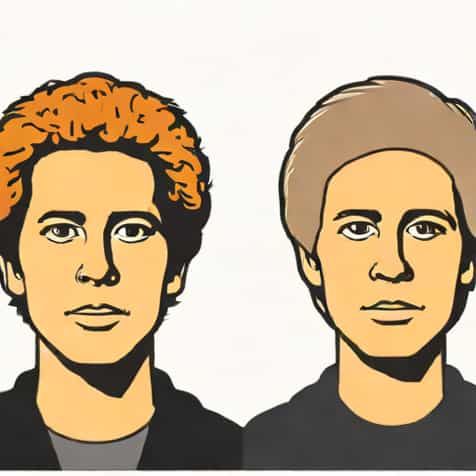
The Sound of Silence by Simon and Garfunkel is one of the most iconic songs of the 20th century, renowned for its haunting melody, profound lyrics, and cultural impact. Released in 1964 on their album Wednesday Morning, 3 A.M. and later remixed as a hit single in 1965, the song captured the mood of a generation grappling with social unrest, personal alienation, and the challenges of communication in an increasingly modern world. Its reflective tone and evocative lyrics invite listeners to contemplate silence, societal disconnect, and the power of words, making it a timeless piece that continues to resonate with audiences around the globe.
Origins and Background
Written by Paul Simon in 1963, The Sound of Silence was inspired by Simon’s reflections on the isolation and lack of meaningful communication in modern society. The song’s lyrics explore themes of loneliness, silence, and the consequences of failing to connect with others. Initially, the acoustic version did not gain immediate attention, but after producer Tom Wilson added electric instrumentation without Simon and Garfunkel’s knowledge, the song became a massive hit. This transformation marked a turning point in their career, highlighting the fusion of folk and rock that characterized much of the 1960s music scene.
Key Historical Context
- Written during the early 1960s, a period of social and political change.
- Reflects feelings of alienation prevalent in post-war America.
- Remixed with electric instruments, bridging folk and emerging rock trends.
- Achieved commercial success, reaching number one on the Billboard Hot 100.
Lyrics and Themes
The lyrics of The Sound of Silence are poetic, metaphorical, and rich with social commentary. The song opens with the famous line, Hello darkness, my old friend, immediately establishing a reflective and introspective tone. Throughout the song, Simon explores themes of miscommunication, societal apathy, and the tension between speaking and listening. The repeated motif of silence underscores the dangers of ignoring meaningful conversation, highlighting the alienation experienced by individuals in a disconnected world.
Main Themes
- Isolation and alienation in society.
- The consequences of silence and lack of communication.
- Social commentary on cultural and political issues.
- Personal reflection and introspection.
Musical Composition
Musically, The Sound of Silence is notable for its simple yet compelling arrangement. The acoustic guitar forms the backbone of the original version, complemented by Simon and Garfunkel’s harmonized vocals. The later electric remix added layers of guitar, bass, and drums, giving the song a more contemporary rock sound while maintaining its haunting and contemplative mood. The melody moves smoothly between major and minor tonalities, enhancing the song’s emotional depth and reflective quality.
Composition Elements
- Acoustic and electric guitars for melodic and harmonic support.
- Paul Simon’s lead vocals with Art Garfunkel’s harmonies.
- Slow tempo to reinforce the contemplative tone.
- Dynamic shifts between verses and chorus to highlight lyrical content.
Impact on Culture
The Sound of Silence had a profound impact on culture and society, resonating with listeners during a time of social change. The song became an anthem for individuals feeling disconnected from mainstream culture, as well as a commentary on the superficiality of mass communication. Its popularity helped to establish Simon and Garfunkel as leading figures in folk and folk-rock music, and it has been covered and referenced by numerous artists across decades. The song’s ability to convey deep emotion and social critique has cemented its place as a timeless classic in popular music.
Cultural Significance
- Served as an anthem for the socially and politically aware youth of the 1960s.
- Highlighted the importance of meaningful communication in society.
- Influenced the folk-rock genre and subsequent musical movements.
- Endures as a symbol of reflection, introspection, and cultural critique.
Cover Versions and Adaptations
Over the years, The Sound of Silence has been covered and adapted by numerous artists in a variety of styles. The song’s timeless themes and simple, evocative melody make it suitable for interpretation across genres, including rock, jazz, and orchestral arrangements. Notable covers by artists such as Disturbed introduced the song to a new generation, emphasizing its enduring relevance and emotional power. Each interpretation highlights different aspects of the song, from lyrical poignancy to musical intensity, demonstrating the flexibility and universality of Simon and Garfunkel’s composition.
Notable Covers
- Disturbed (2015) – added a powerful, dramatic rock interpretation.
- Glen Campbell – a country-infused version with smooth vocal harmonies.
- Various orchestral renditions highlighting the song’s melodic richness.
- Use in films, television, and commercials to evoke reflection and nostalgia.
Analysis and Interpretation
Scholars and critics have long analyzed The Sound of Silence for its layered meanings and social commentary. The song’s recurring motif of silence is interpreted as a critique of societal indifference, highlighting how individuals can become isolated in a noisy, yet disconnected world. The poetic imagery invites multiple interpretations, making it relevant for discussions on communication, mental health, and cultural awareness. The song’s enduring appeal lies in its ability to speak to universal human experiences while remaining open to personal interpretation.
Critical Perspectives
- Literary analysis of lyrics as modern poetry.
- Examination of social and political commentary embedded in the song.
- Psychological perspective on isolation and communication.
- Musical analysis of harmony, melody, and arrangement techniques.
Legacy
The legacy of The Sound of Silence extends beyond its immediate commercial success. It helped define Simon and Garfunkel’s career, influencing future songwriting, folk music, and popular culture. The song remains a symbol of introspection, societal critique, and the power of music to express complex emotions. Its impact is reflected in continued academic study, frequent radio play, and use in films and media. Generations continue to find relevance and meaning in its haunting melody and thought-provoking lyrics, making it a timeless piece of cultural heritage.
Enduring Influence
- Continues to inspire musicians, songwriters, and cultural commentators.
- Represents timeless themes of communication, isolation, and reflection.
- Used in educational contexts to study lyrics, music theory, and cultural history.
- Maintains global recognition and popularity across generations.
The Sound of Silence by Simon and Garfunkel remains a powerful and timeless work that captures the complexities of human emotion and societal reflection. Its evocative lyrics, haunting melody, and cultural significance have made it a cornerstone of folk and folk-rock music. The song’s exploration of silence, communication, and alienation resonates across decades, influencing artists and audiences alike. By understanding its origins, musical composition, and impact, listeners gain insight into the profound artistry of Simon and Garfunkel, and the enduring relevance of their work in reflecting the human experience and societal consciousness.