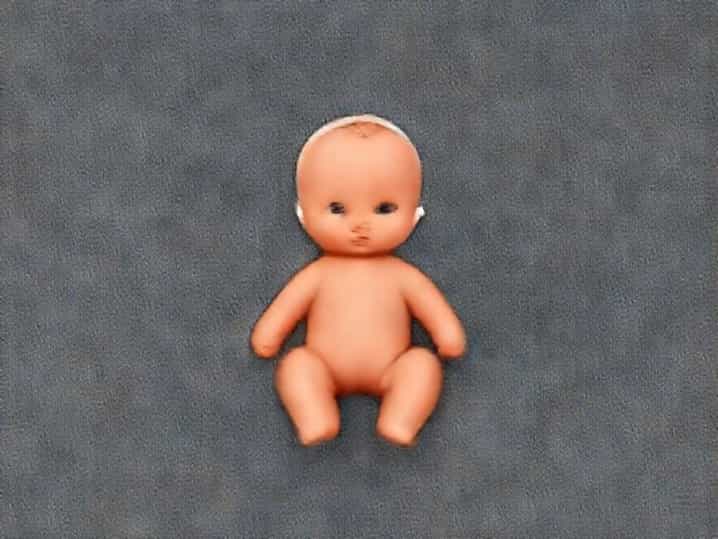
The realistic baby doll has become an increasingly popular collectible and play item, captivating enthusiasts and parents alike with its lifelike features and astonishing attention to detail. Unlike traditional dolls, realistic baby dolls are designed to mimic the appearance, texture, and even the weight of a real infant, creating a unique experience for those who interact with them. These dolls are often handcrafted and come in various styles, materials, and sizes, appealing to a wide range of audiences. For collectors, they serve as art pieces, while for parents or caregivers, they provide opportunities for nurturing play and imaginative scenarios. Understanding the nuances of realistic baby dolls, from their creation to their practical uses, reveals why they hold such a special place in the world of toys and collectibles.
History and Evolution of Realistic Baby Dolls
Realistic baby dolls, sometimes referred to as reborn dolls, have a rich history that dates back several decades. Initially, they were crafted as artistic projects, with artists focusing on creating highly detailed and individualized dolls. Over time, the popularity of these dolls grew, leading to advancements in materials and manufacturing techniques. Early versions were typically made from vinyl or porcelain, with hand-painted features to create a lifelike appearance. Modern realistic baby dolls now incorporate silicone, which allows for a softer, more flexible texture that closely resembles human skin. This evolution has transformed these dolls from niche collectibles into widely appreciated items for both play and display.
Materials and Craftsmanship
The craftsmanship behind a realistic baby doll is a critical factor in its lifelike appearance. Artists pay meticulous attention to details such as skin texture, facial expressions, and body proportions. High-quality dolls often feature hand-rooted hair made from mohair or synthetic fibers, painted eyelashes, and intricate hand-painted features, including veins, blushing, and subtle skin mottling. Silicone and vinyl are commonly used for the head, limbs, and body, while cloth bodies are sometimes employed to allow for realistic movement and weight distribution. The combination of materials and expert craftsmanship ensures that each doll not only looks like a real baby but also provides an authentic tactile experience.
Types of Realistic Baby Dolls
Realistic baby dolls come in a variety of types, each catering to different preferences and purposes
- Reborn DollsThese dolls are known for their extreme realism and are often considered collectible art pieces. They typically feature hand-painted details and rooted hair, and they are designed to resemble newborn infants with astonishing accuracy.
- Sensory DollsSome realistic baby dolls are created with sensory elements such as weighted bodies, heartbeat mechanisms, or soft skin textures to enhance the tactile experience. These dolls are particularly popular for therapeutic or educational purposes.
- Interactive DollsModern realistic dolls may include features like cry sounds, breathing motions, or movements of the limbs and eyes. These interactive elements add a layer of realism that appeals to children and adult collectors alike.
Benefits of Realistic Baby Dolls
Beyond their aesthetic appeal, realistic baby dolls offer a range of benefits for both children and adults. For children, they encourage imaginative play, empathy, and nurturing skills. By caring for a lifelike doll, children can practice responsibility and develop a deeper understanding of caregiving. For adults, realistic baby dolls can serve therapeutic purposes, such as providing comfort and emotional support. They are also valued by collectors who appreciate the artistry and attention to detail involved in their creation. Additionally, some families use realistic dolls as educational tools to prepare older siblings for the arrival of a new baby, helping them understand infant care and routine.
Therapeutic and Emotional Applications
Realistic baby dolls are increasingly recognized for their therapeutic applications. In healthcare settings, these dolls are sometimes used in therapy for individuals with dementia or Alzheimer’s disease, providing comfort and stimulating positive memories. They can also help reduce anxiety and stress in both children and adults, offering a calming presence and a sense of purpose. In grief therapy, realistic baby dolls may assist parents or families coping with infant loss, serving as a tangible and comforting outlet for emotional expression. These emotional and psychological benefits highlight the versatility of realistic baby dolls beyond their role as toys or collectibles.
Collecting Realistic Baby Dolls
Collecting realistic baby dolls is a hobby that combines artistry, investment, and personal enjoyment. Collectors often seek dolls crafted by renowned artists, paying close attention to limited editions, intricate detailing, and provenance. The market for high-quality realistic baby dolls has grown significantly, with dedicated online communities, conventions, and specialty stores supporting enthusiasts. Condition, authenticity, and craftsmanship are key considerations for collectors, and well-maintained dolls can appreciate in value over time. Collecting also allows individuals to engage with a community of like-minded enthusiasts who share a passion for realism, artistry, and the unique stories behind each doll.
Maintenance and Care
Proper care is essential to maintain the appearance and longevity of a realistic baby doll. Cleaning should be done gently with mild, non-abrasive materials, avoiding harsh chemicals that could damage the paint or silicone. Hair care for dolls with rooted or wigged hair involves careful brushing and styling using soft brushes. Storage is also important; keeping dolls in a controlled environment, away from direct sunlight and extreme temperatures, helps prevent fading and material deterioration. Collectors often display their dolls in protective cases or on specially designed stands to minimize wear and maintain their aesthetic appeal.
Choosing the Right Realistic Baby Doll
When selecting a realistic baby doll, several factors should be considered. Potential buyers should evaluate the doll’s size, materials, level of detail, and intended purpose. For children, durability and interactive features may be prioritized, while collectors might focus on craftsmanship, artist reputation, and uniqueness. Budget is also an important consideration, as high-quality dolls can vary significantly in price. Researching artists, reading reviews, and visiting specialty stores or exhibitions can help ensure that the chosen doll meets expectations and provides long-term satisfaction.
The realistic baby doll represents a fascinating intersection of art, play, and emotional connection. With their lifelike features, meticulous craftsmanship, and diverse applications, these dolls appeal to a wide audience, from children engaging in nurturing play to collectors appreciating the artistry involved. Beyond aesthetics, realistic baby dolls offer therapeutic, educational, and emotional benefits, underscoring their significance in both personal and cultural contexts. As technology and artistry continue to advance, the realism and interactive capabilities of these dolls are likely to evolve, further enhancing their appeal and reinforcing their status as cherished collectibles and valuable tools for imaginative play.