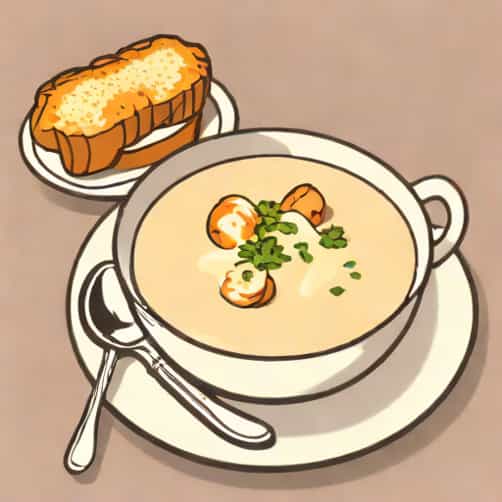
Clam chowder is one of the most beloved comfort foods, known for its creamy texture, savory flavor, and hearty ingredients. Whether served in a bread bowl, a bowl of steaming soup, or as part of a seafood feast, clam chowder evokes a sense of warmth and satisfaction. Its origins trace back to New England, where fresh clams, potatoes, onions, and cream were combined to create a rich, flavorful dish that has become a staple in American cuisine. The best clam chowder is a delicate balance of freshness, seasoning, and texture, showcasing the natural flavors of the clams while providing a comforting and indulgent meal. Exploring the elements that make clam chowder exceptional can help home cooks and food enthusiasts alike appreciate and recreate this iconic dish.
History of Clam Chowder
Clam chowder has a rich history rooted in American culinary traditions. The dish likely originated in the 18th century in the Northeastern United States, particularly in New England, where clams were abundant along the coastline. Early recipes were simple, using fresh clams, salt pork, potatoes, and milk or cream. Over time, variations emerged, including Manhattan clam chowder, which features a tomato-based broth, and Rhode Island clam chowder, which is clear and lighter in flavor. Understanding the history of clam chowder provides context for its evolution and highlights the regional influences that contribute to its diverse forms today.
New England vs. Manhattan Clam Chowder
- New England Clam ChowderCreamy and thick, typically made with milk or cream, potatoes, onions, and clams. It has a rich, indulgent flavor and is often served with oyster crackers.
- Manhattan Clam ChowderTomato-based, lighter, and slightly tangy. Includes vegetables like celery, carrots, and tomatoes, offering a different flavor profile compared to the creamy New England version.
Both versions have their loyal fans, and the best clam chowder often depends on personal preference and regional tastes. However, the foundation of any great clam chowder lies in the freshness of the clams, the quality of the ingredients, and the care taken during preparation.
Ingredients That Make the Best Clam Chowder
Creating the best clam chowder starts with selecting the right ingredients. Fresh clams are essential, whether harvested from the coast or purchased from a reputable seafood market. Potatoes should be firm and starchy, providing body to the chowder without breaking down too much during cooking. Onions and celery add aromatic depth, while a combination of butter and cream or milk lends richness and smoothness. Seasoning with salt, pepper, thyme, and bay leaves enhances the natural flavors of the clams and vegetables.
Clams
Fresh clams provide the signature flavor of clam chowder. Quahogs, littlenecks, or cherrystone clams are commonly used in New England recipes, offering a sweet, briny taste that pairs well with creamy broth. For Manhattan-style chowder, clams still play a central role but are complemented by the acidity of tomatoes.
Potatoes and Vegetables
Potatoes add substance to chowder, making it hearty and satisfying. Starchy varieties like Yukon Gold or Russet work best, absorbing flavors without turning mushy. Onions, celery, and sometimes carrots contribute aromatics and subtle sweetness, balancing the richness of the broth.
Broth and Cream
The broth forms the base of the chowder. For New England chowder, a combination of clam juice, milk, or heavy cream creates a luxurious texture. Butter adds depth, while flour or cornstarch may be used to thicken the soup slightly. For Manhattan chowder, tomato juice or crushed tomatoes replace cream, resulting in a lighter and more acidic profile.
Techniques for Making the Best Clam Chowder
Preparation techniques are just as important as ingredients when making exceptional clam chowder. Simmering clams gently ensures they remain tender and flavorful, while avoiding overcooking prevents toughness. Cooking vegetables slowly allows them to soften and release their natural sweetness into the broth. When using cream, adding it at the end of cooking preserves its richness without curdling. These techniques combine to create a chowder that is smooth, balanced, and full of flavor.
Steps to Prepare Clam Chowder
- Clean and scrub clams thoroughly before cooking.
- Cook clams in water or clam juice until they open, then remove meat and reserve the broth.
- Sauté onions, celery, and other vegetables in butter until soft and aromatic.
- Add potatoes, clam broth, and seasonings, then simmer until potatoes are tender.
- Incorporate clams and cream (for New England style) or tomatoes (for Manhattan style) and adjust seasoning to taste.
- Serve hot with optional garnishes such as parsley, bacon, or oyster crackers.
Serving and Pairing Suggestions
The best clam chowder is best enjoyed fresh and hot. New England clam chowder pairs beautifully with oyster crackers, crusty bread, or a warm sourdough loaf for dipping. Manhattan chowder, with its tomato base, complements garlic bread or a light salad. Adding garnishes like crispy bacon, fresh herbs, or a sprinkle of paprika enhances both presentation and flavor. Whether served as an appetizer or a main course, clam chowder provides a comforting and satisfying dining experience.
Occasions to Serve Clam Chowder
- Family dinners or weekend meals at home
- Seafood-themed gatherings or parties
- Holiday feasts where hearty soups are appreciated
- Outdoor events or clam bakes, paired with other seafood dishes
Health Benefits of Clam Chowder
In addition to its delicious taste, clam chowder offers nutritional benefits. Clams are rich in protein, iron, and vitamin B12, supporting energy levels and overall health. Potatoes provide fiber and essential minerals, while vegetables contribute antioxidants and vitamins. By making chowder with fresh ingredients and moderate amounts of cream or butter, it can be both satisfying and nutritious. Homemade clam chowder allows control over sodium levels, making it a healthier alternative to canned or restaurant versions.
Balancing Indulgence and Nutrition
While clam chowder is indulgent, balancing portions and ingredients can maximize benefits. Using low-fat milk or cream, adding extra vegetables, and incorporating fresh herbs enhance nutrition without compromising flavor. The result is a hearty soup that satisfies cravings while nourishing the body.
The best clam chowder combines fresh, high-quality ingredients, careful preparation, and thoughtful seasoning to create a rich, comforting dish that delights the senses. Whether choosing the creamy New England style or the tangy Manhattan variant, clam chowder embodies warmth, flavor, and culinary tradition. From its historical roots in the Northeastern United States to modern adaptations enjoyed worldwide, clam chowder remains a favorite comfort food that brings people together. By understanding the history, ingredients, techniques, and serving suggestions, anyone can create a clam chowder that is both delicious and memorable, offering the ultimate experience of this classic American dish.