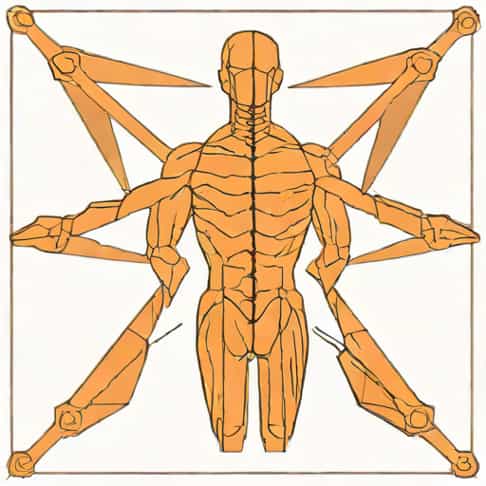
A strain of the rhomboid muscle is a common musculoskeletal injury that affects the upper back and shoulder region. The rhomboid muscles, located between the spine and the shoulder blades, play an important role in retracting the scapula and maintaining proper posture. When these muscles are overstretched or torn due to sudden movements, heavy lifting, or repetitive strain, individuals may experience pain, stiffness, and limited mobility. Understanding the causes, symptoms, treatment options, and the ICD-10 coding for rhomboid muscle strain is crucial for healthcare providers, physical therapists, and patients seeking accurate diagnosis and care.
Anatomy of the Rhomboid Muscles
The rhomboid muscles consist of the rhomboid major and rhomboid minor. These muscles attach from the cervical and thoracic vertebrae to the medial border of the scapula. They work together with the trapezius and other shoulder muscles to stabilize the scapula and assist in movements such as pulling the shoulder blades together and lifting the arms. A strain in these muscles can disrupt normal upper body function and cause discomfort during daily activities, exercise, or work-related tasks.
Function and Importance
The rhomboid muscles help maintain proper posture by preventing the shoulders from rounding forward. They also support movements of the arms and shoulders, including pulling, lifting, and rowing motions. Weakness or injury in the rhomboids can lead to compensatory movements in surrounding muscles, potentially causing additional strain in the neck, shoulders, and upper back. Recognizing early symptoms of a rhomboid strain is important to prevent chronic pain and functional limitations.
Causes of Rhomboid Muscle Strain
Rhomboid muscle strains are usually caused by overuse, sudden forceful movements, or trauma. Common causes include lifting heavy objects incorrectly, performing repetitive overhead motions, engaging in sports such as rowing, tennis, or weightlifting, and experiencing sudden jerks or falls. Poor posture, especially prolonged slouching at a desk or while using electronic devices, can also contribute to muscle fatigue and increase the risk of strain. Understanding these causes is essential for prevention and proper rehabilitation.
Risk Factors
- Poor posture during work or daily activities
- Weakness in shoulder or upper back muscles
- Sudden or repetitive lifting and pulling motions
- Engagement in sports that require upper body strength
- Previous history of back or shoulder injuries
Symptoms of Rhomboid Muscle Strain
Symptoms of a rhomboid muscle strain can vary from mild discomfort to severe pain depending on the severity of the injury. Common signs include sharp pain between the shoulder blades, muscle tightness, tenderness to touch, swelling, and limited range of motion in the shoulder or upper back. Patients may also experience difficulty performing daily tasks such as lifting, reaching, or rotating the arms. Pain often worsens with movement and improves with rest.
Identifying the Severity
Rhomboid strains are generally classified into three grades based on severity mild (Grade I), moderate (Grade II), and severe (Grade III). Mild strains involve minor stretching or small tears, causing discomfort but minimal loss of function. Moderate strains involve partial muscle tears with more significant pain and weakness. Severe strains are characterized by complete tears of the rhomboid muscle, causing intense pain, significant loss of movement, and sometimes visible deformity. Accurate diagnosis is important for effective treatment planning.
ICD-10 Coding for Rhomboid Muscle Strain
The International Classification of Diseases, Tenth Revision (ICD-10) provides standardized codes for diagnosing various medical conditions, including muscle strains. Strains of the rhomboid muscle fall under the category of shoulder and upper back muscle strains. The ICD-10 code for a strain of the rhomboid muscle is generally classified asS46.0, which refers to Strain of muscle(s) and tendon(s) of the shoulder and upper arm. This code helps healthcare providers document the condition, facilitate insurance claims, and ensure accurate medical records.
Importance of Accurate Coding
Using the correct ICD-10 code for a rhomboid muscle strain is important for clinical, administrative, and research purposes. Accurate coding ensures proper treatment, insurance reimbursement, and statistical tracking of musculoskeletal injuries. Healthcare professionals should document the mechanism of injury, affected side, and severity to provide a complete clinical picture. This helps in planning appropriate physical therapy, medication, or other interventions for recovery.
Treatment Options
Treatment for rhomboid muscle strain depends on the severity of the injury. Mild strains often respond well to rest, ice or heat therapy, over-the-counter pain medications, and gentle stretching. Moderate strains may require physical therapy to restore strength, flexibility, and proper scapular mechanics. Severe strains or complete tears might require more intensive medical interventions, including immobilization or, in rare cases, surgical repair.
Home Care and Rehabilitation
- Rest and avoid activities that exacerbate pain
- Apply ice for the first 48 hours, followed by heat to reduce muscle stiffness
- Perform gentle stretching and mobility exercises as recommended by a physical therapist
- Gradually return to normal activities while avoiding heavy lifting or repetitive movements
Preventive Measures
Preventing rhomboid muscle strain involves strengthening the upper back and shoulder muscles, maintaining good posture, and using proper lifting techniques. Regular exercise focusing on scapular retraction, rows, and shoulder stabilization can reduce the risk of injury. Ergonomic adjustments in the workplace, including supportive chairs and proper monitor height, help prevent muscle fatigue. Awareness and early intervention are key to avoiding chronic pain and functional limitations.
Prognosis and Recovery
Most rhomboid muscle strains heal within a few weeks with proper care, although recovery time varies depending on the severity of the injury and adherence to treatment. Mild strains may resolve within 1-2 weeks, while moderate strains can take 4-6 weeks to fully recover. Severe strains require longer rehabilitation and careful monitoring. Consistent physical therapy and gradual return to activities improve outcomes and reduce the risk of recurrence.
A strain of the rhomboid muscle is a common injury that affects posture, shoulder movement, and upper back function. Understanding its anatomy, causes, symptoms, ICD-10 coding, and treatment options is essential for effective management. Accurate diagnosis, proper coding, and appropriate rehabilitation strategies ensure optimal recovery and reduce the likelihood of chronic issues. Individuals can also take preventive measures such as strengthening exercises, posture correction, and safe lifting techniques to protect the rhomboid muscles and maintain overall musculoskeletal health.