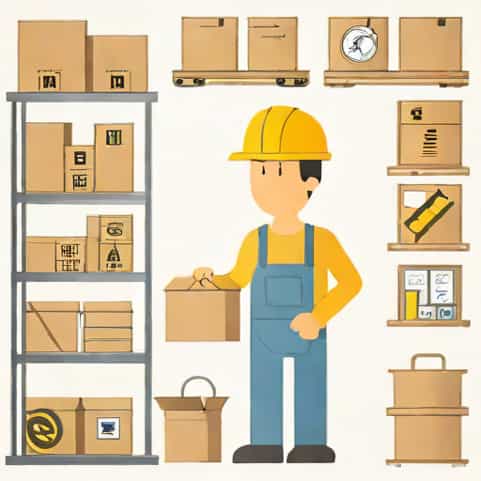
The role of a storekeeper is a vital component in the smooth operation of any business that involves inventory management, warehousing, or supply chain operations. Storekeepers are responsible for managing stock, ensuring timely availability of materials, and maintaining accurate records, all of which directly impact productivity and efficiency. A competent storekeeper not only oversees the physical storage of goods but also coordinates with suppliers, departments, and management to ensure that inventory levels are maintained according to organizational needs. Understanding the role and responsibilities of a storekeeper provides insight into how businesses manage resources effectively and avoid disruptions in operations.
Primary Duties of a Storekeeper
The core responsibilities of a storekeeper revolve around the management of inventory, the maintenance of records, and the organization of storage spaces. These tasks are crucial for ensuring that goods are available when needed and that losses due to mismanagement or damage are minimized.
Inventory Management
One of the most important responsibilities of a storekeeper is maintaining accurate inventory levels. This includes receiving goods from suppliers, verifying quantities against purchase orders, and checking for quality standards. Storekeepers must track stock levels regularly and update records to prevent overstocking or shortages. Effective inventory management also involves forecasting future requirements based on consumption patterns, seasonal demand, and company projects.
Storage and Organization
Proper storage and organization are essential for ensuring the safety and accessibility of materials. Storekeepers arrange goods systematically according to type, size, or usage frequency. They must ensure that items are stored in appropriate conditions to prevent damage, spoilage, or obsolescence. Organized storage not only improves efficiency but also helps in reducing the time taken to locate items when needed.
Record Keeping and Documentation
Maintaining accurate records is a key responsibility of a storekeeper. This includes documenting incoming and outgoing stock, maintaining logs for issued items, and keeping track of damaged or returned goods. Detailed records assist in audits, help prevent discrepancies, and provide data for management decisions. Modern storekeepers often use inventory management software to maintain digital records, ensuring accuracy and ease of access.
Reporting and Communication
Storekeepers are responsible for reporting stock levels, shortages, or damages to supervisors and management. Effective communication ensures that procurement decisions are timely and informed. Reports may include inventory summaries, reorder points, and any anomalies observed during regular checks. Storekeepers often serve as a link between the warehouse and other departments, ensuring that information flows smoothly to support operations.
Coordination with Suppliers and Departments
Another significant responsibility of a storekeeper is coordinating with suppliers, procurement teams, and various departments within the organization. They confirm deliveries, handle purchase order discrepancies, and ensure that received goods meet specified quality and quantity standards. Storekeepers also liaise with production or operational departments to ensure that materials are available as needed, preventing production delays or operational inefficiencies.
Ensuring Safety and Compliance
Storekeepers play a critical role in maintaining a safe and compliant storage environment. This includes adhering to safety protocols, handling hazardous materials according to regulations, and ensuring that storage areas are clean and secure. Proper training in health and safety standards is essential to prevent accidents, protect staff, and safeguard valuable inventory.
Skills and Competencies Required
To perform effectively, storekeepers need a combination of technical knowledge, organizational skills, and attention to detail. Competencies include
- Proficiency in inventory management systems and software
- Strong organizational and time-management skills
- Attention to detail and accuracy in record keeping
- Basic understanding of procurement and supply chain processes
- Communication and coordination abilities
- Knowledge of health, safety, and compliance regulations
These skills ensure that storekeepers can manage stock efficiently, prevent losses, and support the overall operational goals of the organization.
Challenges Faced by Storekeepers
Despite being a crucial role, storekeepers often face challenges such as fluctuating demand, inventory discrepancies, and space constraints. Managing large volumes of stock, ensuring timely reordering, and preventing theft or damage require constant vigilance. Technological advancements have alleviated some challenges through automated inventory tracking, but storekeepers must still apply judgment, problem-solving skills, and careful oversight to maintain smooth operations.
Strategies for Effective Storekeeping
- Regularly auditing stock to identify discrepancies
- Implementing a systematic storage system for easy access
- Using software tools to track inventory and generate reports
- Coordinating closely with procurement and operational departments
- Training staff in proper handling and storage techniques
Adopting these strategies helps storekeepers maintain accurate records, prevent losses, and ensure that operations continue without interruptions.
Importance of Storekeepers in an Organization
Storekeepers are integral to the smooth functioning of businesses that rely on inventory and supply management. Their role affects not only the efficiency of operations but also cost control and customer satisfaction. Timely availability of materials prevents production delays, while accurate record keeping ensures accountability and transparency. In essence, the effectiveness of a storekeeper can directly influence the overall performance and profitability of an organization.
The role and responsibilities of a storekeeper are multifaceted, encompassing inventory management, record keeping, coordination, safety, and reporting. A competent storekeeper ensures that materials are available when needed, maintained in good condition, and properly documented. Through their diligence and attention to detail, storekeepers help organizations reduce waste, improve operational efficiency, and maintain smooth workflows. Understanding and valuing the contributions of storekeepers highlights the critical role they play in supporting business success and operational continuity.