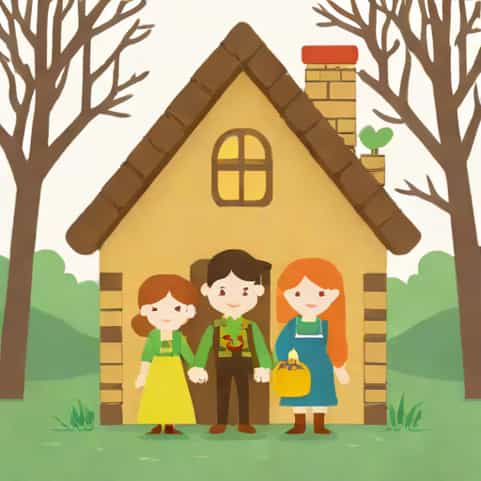
Hansel and Gretel is a timeless fairy tale that has captured the imagination of children and adults alike for generations. The story, originally collected by the Brothers Grimm, tells the tale of two young siblings who face incredible challenges after being abandoned in a dark, mysterious forest. Full of suspense, danger, and clever problem-solving, the story highlights themes of courage, resourcefulness, and the bond between family members. It remains one of the most popular stories in European folklore and continues to be adapted in books, films, and theater around the world.
Introduction to Hansel and Gretel
The story begins in a small village where Hansel and Gretel live with their father and stepmother. The family is poor, struggling to find enough food to survive. During a time of severe famine, the stepmother convinces the father to abandon the children in the forest to reduce the number of mouths to feed. This sets the stage for the main adventure of the tale, as the children are left to navigate a dangerous and unfamiliar wilderness on their own.
Hansel and Gretel’s Journey Begins
Before being left in the forest, Hansel, the older brother, cleverly leaves a trail of small white pebbles so that they can find their way back home. As night falls and the children are abandoned, the pebbles glint in the moonlight and lead them safely back to their house. This part of the story highlights Hansel’s intelligence and resourcefulness, qualities that will help the siblings survive later challenges. It also shows their strong bond, as they work together to overcome the first obstacle.
The Second Abandonment
Unfortunately, the stepmother is determined to get rid of the children. The next day, she abandons them again, but this time Hansel cannot collect pebbles. Instead, he uses breadcrumbs to mark the path. Unfortunately, birds eat the crumbs, leaving the children lost in the forest. This moment introduces tension and suspense, emphasizing the vulnerability of the children and the dangers of the forest. It also marks a turning point where they must rely entirely on their wits and courage.
The Witch’s House
While wandering through the forest, Hansel and Gretel discover a house made entirely of candy, sugar, and gingerbread. Hungry and exhausted, they begin to eat the house, unaware that it belongs to a wicked witch who lures children to trap and eat them. This house serves as a symbol of temptation and danger, illustrating the theme that not everything that appears appealing is safe. The witch captures Hansel, locking him in a cage, while forcing Gretel to do chores.
Gretel’s Courage and Cleverness
The witch plans to fatten Hansel up to eat him, but Gretel devises a clever plan to save herself and her brother. Pretending not to understand the witch’s instructions, she outsmarts her captor and eventually pushes the witch into the oven, defeating her once and for all. This moment in the story emphasizes Gretel’s bravery, quick thinking, and determination to protect her brother. It also provides a satisfying resolution to the central conflict, reinforcing the idea that courage and intelligence can overcome evil.
Returning Home
After defeating the witch, Hansel and Gretel find treasure inside her house, including gold and precious jewels. They take these items with them as they navigate their way back home. When they finally return, they discover that their stepmother has died, and their father welcomes them with joy. The story concludes with the family reunited and financially secure thanks to the treasure, illustrating the themes of hope, resilience, and the rewards of perseverance in the face of adversity.
Themes and Lessons
Hansel and Gretel is rich in themes and moral lessons that resonate with readers of all ages
- Bravery and ResourcefulnessThe children’s ability to solve problems and remain brave in dangerous situations highlights the importance of intelligence and courage.
- Family BondsThe story emphasizes the deep connection between siblings and the lengths they will go to protect each other.
- Consequences of GreedThe stepmother’s cruel decisions and the witch’s gluttony demonstrate how greed and selfishness can lead to one’s downfall.
- Resilience and HopeDespite facing extreme challenges, Hansel and Gretel’s determination allows them to survive and ultimately thrive.
Adaptations and Cultural Impact
Over the years, Hansel and Gretel has inspired countless adaptations in literature, film, and theater. From animated movies to operas, the story has been retold in ways that highlight both its suspenseful adventure and moral lessons. Educators often use the story to teach children about problem-solving, courage, and the importance of family. Its continued popularity demonstrates the timeless nature of fairy tales and the universal appeal of stories where good triumphs over evil.
The story of Hansel and Gretel remains a beloved classic because it combines adventure, suspense, and meaningful lessons in a way that appeals to both children and adults. The tale showcases the ingenuity and courage of the two siblings, while also warning about the dangers of greed and selfishness. With its enduring moral lessons and exciting plot, Hansel and Gretel continues to captivate audiences, reminding us of the power of bravery, cleverness, and family love. By exploring the challenges the siblings face and their ultimate triumph, readers are inspired to face their own obstacles with courage and determination.