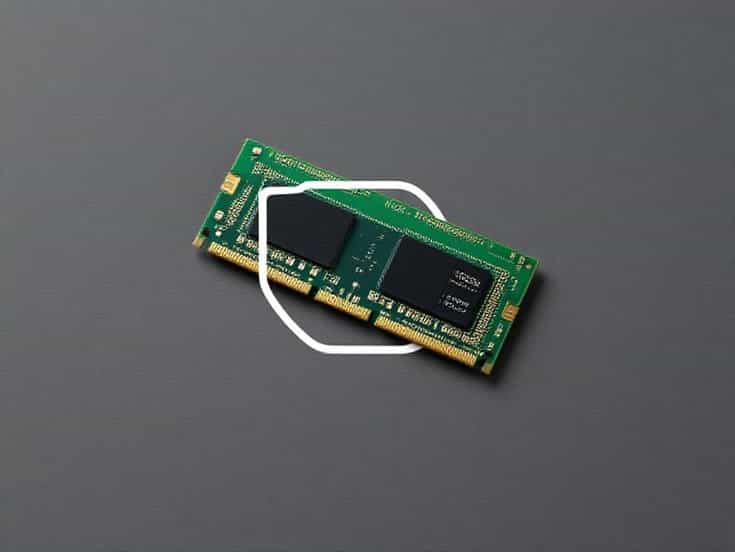
Memory technology continues to evolve as computer users demand better speed, efficiency, and stability from their systems. One of the important milestones in recent years is the introduction of DDR5 memory, including the widely used DDR5 4800 MHz variant. This type of RAM is often the first entry point for users upgrading to the DDR5 platform, especially those building modern PCs or purchasing new-generation laptops. Although 4800 MHz may sound modest compared to higher DDR5 speeds available today, it plays a crucial role as a baseline standard that defines the foundation of DDR5 performance. Understanding how DDR5 4800 MHz works, what benefits it offers, and where it fits in today’s hardware ecosystem can help users make smarter decisions when choosing memory for daily computing, gaming, or professional workloads.
Understanding DDR5 Memory Technology
DDR5 stands for Double Data Rate 5, which is the successor to DDR4 memory. It was designed to improve bandwidth, power efficiency, and scalability for modern processors. DDR5 introduces several architectural changes that separate it clearly from previous generations. Even at its base speed of 4800 MHz, DDR5 already provides a noticeable improvement in data transfer capability compared to DDR4.
One key difference is that DDR5 memory modules are divided into two independent 32-bit channels instead of a single 64-bit channel. This design helps improve efficiency and reduces latency in certain workloads. DDR5 also supports higher memory densities, allowing larger RAM capacities per module, which is especially useful for multitasking and professional applications.
What Does 4800 MHz Mean in DDR5 RAM
The number 4800 MHz refers to the effective data transfer rate of the memory. In practical terms, DDR5 4800 MHz can transfer 4,800 million data transfers per second. This is the official baseline speed defined by JEDEC, the organization responsible for memory standards. All DDR5 systems are guaranteed to support this speed, making it a safe and stable starting point.
While faster DDR5 kits such as 5200 MHz, 5600 MHz, or higher are available, 4800 MHz remains important because it represents the default performance level without requiring manual tuning or overclocking. Many systems automatically run DDR5 memory at 4800 MHz for maximum compatibility.
Performance Characteristics of DDR5 4800 MHz
In real-world usage, DDR5 4800 MHz offers improved bandwidth compared to DDR4 3200 MHz, which was the most common DDR4 speed. This increased bandwidth helps modern CPUs handle data more efficiently, especially in multitasking environments. Applications that rely on memory throughput, such as content creation, compression, and virtualization, can benefit from this improvement.
Latency on DDR5 4800 MHz may appear higher when compared numerically to DDR4, but the higher bandwidth often compensates for this in practical scenarios. The internal architecture improvements also help maintain smoother performance under load.
Everyday Computing Performance
For everyday tasks such as web browsing, office work, video streaming, and light multitasking, DDR5 4800 MHz performs smoothly and reliably. Users may not notice dramatic differences compared to high-end DDR4 systems, but system responsiveness tends to feel more consistent, especially when many applications are open at the same time.
Modern operating systems are optimized to take advantage of newer memory architectures, which means DDR5 4800 MHz can contribute to better background task handling and faster application switching.
Gaming Performance
In gaming scenarios, DDR5 4800 MHz provides stable and predictable performance. While higher memory speeds can sometimes deliver small gains in frame rates, especially in CPU-bound games, DDR5 4800 MHz is more than sufficient for most gaming setups. Paired with a modern processor and graphics card, it supports smooth gameplay across a wide range of titles.
Game engines that stream large assets or rely heavily on CPU performance can benefit from the improved bandwidth offered by DDR5 memory. However, the difference between 4800 MHz and faster kits may be subtle in real-world gaming unless the system is specifically tuned for performance testing.
Power Efficiency and Stability
One of the major improvements in DDR5 is power management. DDR5 4800 MHz operates at a lower voltage compared to DDR4, typically around 1.1V. Additionally, power management is handled directly on the memory module through an integrated power management IC. This change allows for more precise voltage regulation and improved stability.
Lower power consumption is especially beneficial for laptops and compact systems, where efficiency and thermal control are important. Even in desktop systems, better power handling contributes to overall system reliability and longevity.
Compatibility and Platform Support
DDR5 4800 MHz is supported by modern platforms that are designed specifically for DDR5 memory. These include newer generations of Intel and AMD processors along with compatible motherboards. DDR5 is not backward compatible with DDR4 slots, so upgrading requires a motherboard that explicitly supports DDR5.
Most motherboards will automatically configure DDR5 memory to run at 4800 MHz by default. This makes installation simple and reduces the need for manual configuration. Users who prefer a plug-and-play experience often appreciate this aspect.
Capacity Options and Scalability
DDR5 4800 MHz modules are available in a wide range of capacities, commonly starting from 8 GB and going up to 64 GB or more per module. This scalability makes DDR5 suitable for both entry-level systems and high-end workstations.
As software becomes more demanding, having the option to upgrade memory capacity without replacing existing modules becomes an important advantage. DDR5’s support for higher densities ensures that systems can remain relevant for a longer time.
Use Cases for DDR5 4800 MHz
DDR5 4800 MHz is a versatile choice that fits many usage scenarios. It balances performance, stability, and cost, making it suitable for a broad audience. From casual users to professionals, this memory speed covers a wide range of needs.
- Home and office computers that require smooth multitasking
- Gaming PCs focused on stability rather than extreme tuning
- Content creation systems for photo editing and light video work
- Workstations running multiple applications simultaneously
- Laptops that prioritize efficiency and modern standards
DDR5 4800 MHz Compared to Higher Speeds
As DDR5 technology matures, faster memory kits continue to appear on the market. While these higher frequencies can offer better performance in certain benchmarks, the real-world difference is often smaller than expected. DDR5 4800 MHz remains a practical option because it delivers consistent results without requiring advanced configuration.
Higher-speed DDR5 memory may require enabling specific profiles in the system firmware, which can introduce compatibility or stability concerns for some users. In contrast, DDR5 4800 MHz is designed to work reliably out of the box, making it ideal for users who prefer simplicity.
Longevity and Future Relevance
Choosing DDR5 4800 MHz also means investing in a platform that will continue to be supported for years. As software and operating systems evolve, DDR5-based systems will remain compatible with future updates and hardware improvements.
Even though faster memory options exist, DDR5 4800 MHz will likely stay relevant as a baseline standard for a long time. Many systems will continue to ship with this speed because of its balance between performance, efficiency, and cost.
DDR5 4800 MHz
DDR5 4800 MHz represents an important step forward in memory technology. It introduces the benefits of DDR5 in an accessible and stable form, making it suitable for a wide range of users. While it may not be the fastest option available, its reliability, efficiency, and broad compatibility make it a strong foundation for modern computing.
For users upgrading from older systems or building a new PC with current-generation hardware, DDR5 4800 MHz offers a dependable starting point. It delivers improved bandwidth, better power management, and future-ready design, all while maintaining ease of use. As a result, it continues to play a key role in the transition toward newer memory standards and more capable computing experiences.