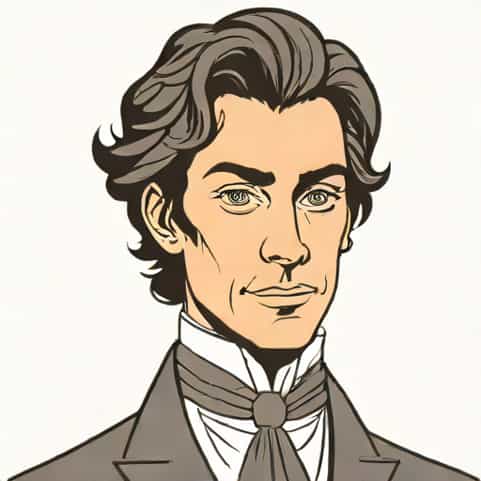
Oscar Wilde’s novel The Picture of Dorian Gray is often celebrated for its exploration of aestheticism, morality, and the nature of beauty, but it also contains a rich and complex layer of queer subtext that has fascinated scholars and readers for generations. Published in 1890, the novel emerged at a time when Victorian society was deeply conservative, particularly regarding sexuality. Wilde himself was a figure whose life and work challenged societal norms, and his writing often embedded coded expressions of same-sex desire and critique of heteronormative expectations. The queer subtext in The Picture of Dorian Gray is not always explicit, but it can be discerned through character relationships, subtle language, and the moral tension surrounding desire, identity, and social convention.
Historical Context and Wilde’s Life
Understanding the queer subtext of The Picture of Dorian Gray requires consideration of the historical and cultural context in which Wilde lived. Victorian England criminalized homosexual activity, creating a climate of secrecy and coded communication. Wilde’s own experiences, including his public trials and imprisonment for gross indecency, inform interpretations of his work. The need for discretion led Wilde to craft narratives that could be read on multiple levels a surface story acceptable to conservative readers and a subversive exploration of queer identity accessible to those attuned to subtle cues. This duality makes the novel a rich site for exploring the hidden currents of desire and identity that were suppressed by societal norms.
Coded Language and Symbolism
One of the primary ways queer subtext manifests in the novel is through coded language and symbolism. Wilde uses descriptions of beauty, youth, and aesthetic admiration to hint at attraction and desire between men without stating it explicitly. For instance, Basil Hallward, the artist who paints Dorian Gray’s portrait, exhibits an obsessive fascination with Dorian’s appearance that can be read as more than mere artistic inspiration. His intense emotional attachment, combined with the moral consequences he faces, suggests a romantic or erotic undertone that Victorian censorship would not have allowed Wilde to state openly. The portrait itself becomes a symbol of forbidden desire, reflecting both Dorian’s moral corruption and the complexities of suppressed queer longing.
Character Relationships and Queer Dynamics
The interactions between key characters in the novel further reinforce the queer subtext. Basil Hallward’s admiration for Dorian, Lord Henry Wotton’s influence over him, and Dorian’s own evolving sense of pleasure and aesthetics all contribute to an atmosphere charged with homoerotic tension. Basil’s devotion to Dorian goes beyond mentorship or friendship, suggesting a depth of feeling that borders on romantic love. Similarly, Lord Henry’s philosophies about indulgence and beauty entice Dorian into a lifestyle of sensuality and aesthetic obsession, which can be interpreted as a critique of societal restrictions on sexual and emotional expression.
Basil and Dorian A Complex Bond
Basil Hallward’s relationship with Dorian Gray is central to the novel’s queer subtext. His artistic fixation is inseparable from his emotional attachment, blurring the lines between admiration, desire, and love. When Basil expresses concern about Dorian’s moral descent, there is an underlying fear that the object of his affection is slipping away, both physically and morally. This tension underscores the coded representation of same-sex desire, revealing a psychological and emotional depth that challenges conventional depictions of male relationships in Victorian literature.
Lord Henry’s Influence
Lord Henry Wotton serves as a catalyst for Dorian’s exploration of beauty, pleasure, and identity. His rhetoric encourages Dorian to prioritize aesthetic experiences over moral constraints, indirectly enabling the indulgence of desires that are socially taboo. While Lord Henry’s influence is philosophical, it also carries an intimate intensity that can be read as homoerotic, especially in moments when his fascination with Dorian borders on personal obsession. This dynamic creates a layered narrative where the boundaries between mentorship, seduction, and erotic tension are intentionally blurred.
Queer Desire and Social Critique
Beyond character dynamics, the novel critiques Victorian norms regarding sexuality and morality. By embedding queer subtext in relationships, aesthetics, and moral corruption, Wilde exposes the restrictive nature of societal expectations. Dorian’s pursuit of beauty and pleasure becomes a metaphor for the suppression and eventual consequences of forbidden desire. The novel suggests that the tension between private desire and public morality can lead to both self-destruction and profound insight, reflecting Wilde’s own experiences and the challenges faced by queer individuals in a repressive society.
Subversion through Aestheticism
Wilde’s use of aestheticism is a vehicle for queer expression. By prioritizing beauty, art, and sensual experience over conventional morality, he creates a narrative space in which same-sex desire can be explored indirectly. The novel’s focus on visual pleasure, artistic creation, and the allure of youth allows readers to perceive homoerotic undertones without overt sexual references, making the text a subtle but powerful form of resistance against heteronormative constraints.
Critical Interpretations and Legacy
Literary critics have long analyzed The Picture of Dorian Gray for its queer subtext, identifying themes of male beauty, homoerotic desire, and social repression. Some interpretations emphasize the coded nature of attraction and longing between men, while others highlight the broader implications for understanding identity and morality in a restrictive society. The novel’s legacy as a text with queer subtext has influenced both literary scholarship and LGBTQ+ cultural discourse, providing a historical lens through which to explore the intersection of art, desire, and social norms.
Modern Readings
Contemporary readings often examine the novel through queer theory, exploring how Wilde’s narrative challenges traditional notions of gender, sexuality, and power. These readings highlight the tension between surface-level propriety and hidden desire, emphasizing the ways in which literature can serve as a vehicle for marginalized voices. The queer subtext of the novel continues to resonate with readers who recognize the coded strategies Wilde employed to express complex emotional and sexual experiences under oppressive social conditions.
The queer subtext in The Picture of Dorian Gray enriches the novel’s exploration of beauty, morality, and identity. Through coded language, symbolic imagery, and intricate character relationships, Oscar Wilde crafts a narrative that simultaneously entertains and subverts Victorian conventions. Basil Hallward’s attachment to Dorian, Lord Henry’s philosophical seductions, and Dorian’s own indulgent journey reveal a layered commentary on desire, social restriction, and self-expression. By understanding the historical context and examining the nuanced interactions in the text, readers can appreciate how Wilde embedded queer subtext as both literary art and social critique, ensuring that the novel remains a vital work in discussions of sexuality, identity, and literary history.