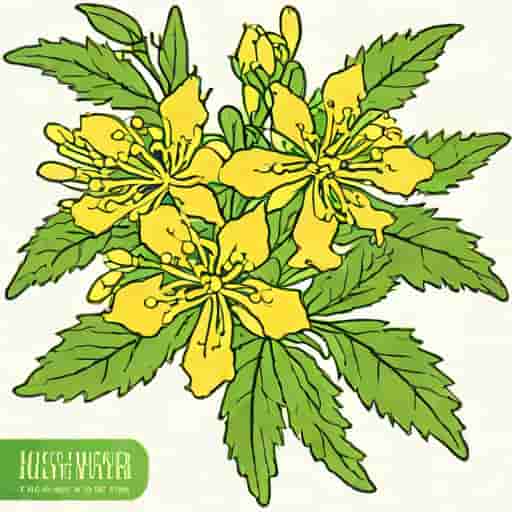
St John’s Wort is a well-known herbal remedy that has been used for centuries to address various health issues, particularly those related to mood and mental well-being. Its scientific name is Hypericum perforatum, and it is native to Europe but now grows in many parts of the world. The plant produces bright yellow flowers that bloom around late spring and early summer, making it easy to identify in the wild. St John’s Wort is popular in traditional medicine and modern herbal practices due to its potential benefits for mild to moderate depression, anxiety, and other mental health concerns. Understanding what St John’s Wort is, how it works, and how it can be safely used is important for anyone considering herbal supplements as part of their wellness routine.
Definition and Description of St John’s Wort
St John’s Wort is a perennial herb that belongs to the Hypericaceae family. In Spanish, it is often referred to as hierba de San Juan. The plant is recognizable by its bright yellow flowers, small perforations on its leaves, and its woody stems. Historically, it has been used for a variety of ailments, from wounds and burns to depression and nervous disorders. Modern studies focus primarily on its impact on mood, showing that certain compounds in the plant, such as hypericin and hyperforin, may influence neurotransmitters in the brain.
Active Compounds in St John’s Wort
The therapeutic properties of St John’s Wort are attributed to several active compounds
- Hypericin – thought to play a role in regulating mood and reducing depressive symptoms.
- Hyperforin – may affect the reuptake of neurotransmitters like serotonin, dopamine, and norepinephrine.
- Flavonoids – antioxidants that contribute to overall health and may enhance the plant’s antidepressant effects.
These compounds interact in complex ways, which is why the herb is often used as a standardized extract to ensure consistent potency.
Uses of St John’s Wort
St John’s Wort is most commonly used for mental health support, particularly for mild to moderate depression. Research suggests that it may help alleviate symptoms such as low mood, fatigue, irritability, and anxiety. In addition to mental health benefits, the herb has been applied in traditional medicine for other purposes
- Wound healing – topical preparations can be applied to minor cuts, burns, or bruises.
- Anti-inflammatory effects – may help reduce inflammation in the body.
- Menopausal support – sometimes used to manage mood swings and mild depressive symptoms during menopause.
While St John’s Wort is not a replacement for professional mental health treatment, it can be considered as a complementary therapy under guidance from a healthcare provider.
How St John’s Wort Works
The exact mechanism of action is not fully understood, but it is believed that St John’s Wort affects neurotransmitters in the brain, similar to the way some antidepressant medications work. Hyperforin, in particular, may inhibit the reuptake of serotonin, dopamine, and norepinephrine, increasing their availability and improving mood. Additionally, hypericin has been studied for its potential effects on neurotransmitter regulation and circadian rhythm, contributing to overall mental well-being.
Forms and Dosage
St John’s Wort is available in various forms, including capsules, tablets, teas, and topical oils. Standardized extracts ensure a consistent amount of active compounds, which is important for effectiveness. Common dosages for mood support range from 300 mg to 900 mg per day, depending on the concentration of hypericin and hyperforin. It is essential to consult a healthcare professional before starting any herbal supplement, as dosage may vary based on individual health conditions, age, and other medications.
Potential Side Effects
Although St John’s Wort is generally considered safe for short-term use, it can cause side effects in some individuals. Common side effects include
- Gastrointestinal issues such as nausea or diarrhea.
- Fatigue or dizziness.
- Dry mouth or headache.
- Photosensitivity – increased sensitivity to sunlight, leading to a higher risk of sunburn.
More importantly, St John’s Wort can interact with a wide range of medications, including antidepressants, birth control pills, anticoagulants, and certain cancer medications. These interactions can reduce effectiveness or increase the risk of side effects, highlighting the importance of consulting a healthcare provider before use.
Research and Effectiveness
Several clinical studies have evaluated the effectiveness of St John’s Wort in treating mild to moderate depression. Research generally indicates that it can be as effective as some prescription antidepressants for these conditions, with fewer side effects in many cases. However, it is less effective for severe depression, and its efficacy can vary depending on the preparation, dosage, and individual response. Ongoing research continues to explore its broader applications, including potential effects on anxiety, sleep disorders, and cognitive function.
Precautions and Considerations
When considering St John’s Wort, several precautions should be observed
- Avoid using it with other antidepressants unless supervised by a healthcare professional to prevent serotonin syndrome.
- Be cautious with medications that are metabolized by the liver, as St John’s Wort can affect liver enzymes and alter drug effectiveness.
- Limit sun exposure or use protective measures due to increased photosensitivity.
- Monitor for side effects and discontinue use if adverse reactions occur.
St John’s Wort, or hierba de San Juan in Spanish, is a valuable herbal supplement known primarily for its potential to support mental health. Its active compounds, hypericin and hyperforin, may positively influence neurotransmitters in the brain, helping alleviate mild to moderate depression and anxiety. Available in various forms, it has also been used traditionally for wound healing and anti-inflammatory purposes. While generally safe, it requires careful use due to potential side effects and interactions with medications. Understanding the benefits, risks, and proper use of St John’s Wort can help individuals make informed decisions about incorporating this herbal remedy into their health and wellness routines.