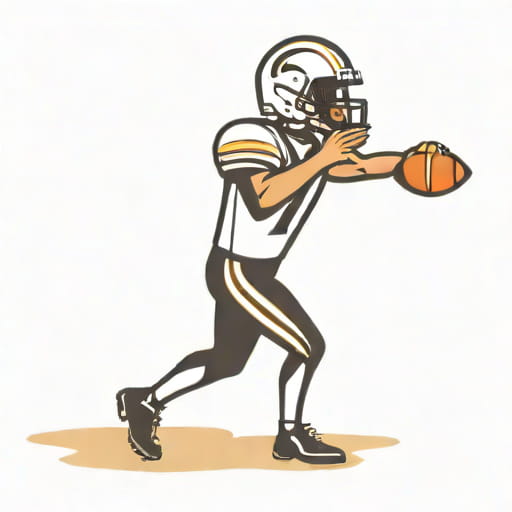
Quarterbacks dream of launching deep passes that glide perfectly into a receiver’s hands. Throwing farther is not just about arm strength; it’s a blend of mechanics, body coordination, footwork, flexibility, and consistent training. Many young players believe that lifting weights alone will build a powerful throw, but without technique-focused practice, the distance improvement may be limited. That is why qb drills to throw farther matter so much. With the right training routine, anyone-from high school athletes to amateur football enthusiasts-can develop stronger throws, better mechanics, and more confidence in long-range plays. Improving distance requires patience, repetition, and an understanding of how the body generates power during a throw. The good news is that many quarterback drills are simple, require minimal equipment, and can be practiced anywhere.
The Foundation of a Deep Throw
Before jumping into qb drills to throw farther, it’s important to understand how a powerful throw is created. A long ball doesn’t start in the arm-it begins in the lower body. Strength flows from the legs, transfers through the core, and finally releases through the shoulder, elbow, and wrist. Proper mechanics mean more distance with less effort, reducing injury risk and improving accuracy.
Key components of throwing farther
- Strong lower-body engagement
- Rotational core power
- Proper throwing mechanics and follow-through
- Flexibility in shoulders and hips
- Consistent drill practice
Once these fundamentals are acknowledged, drills can effectively target each part of the motion.
Warm-Up Drills for Quarterbacks
Throwing without warming up is one of the quickest paths to injury. Warm-ups increase blood flow and prepare muscles for explosive movements. These short drills take only 10-15 minutes and should begin every training session aimed at improving distance.
Dynamic Stretch Routine
Start with leg swings, arm circles, hip rotations, and trunk twists. Focus on loosened shoulders and engaged hips. Throwing long passes requires flexibility as much as strength – a tight shoulder can rob yards instantly.
Wrist Snap Drill
Hold a football with one hand and practice snapping the wrist, flicking the ball using minimal arm movement. This drill strengthens release mechanics and improves spiral tightness, allowing the ball to travel farther.
Footwork and Body Position Drills
Great quarterbacks know the power of their legs. Footwork contributes to balance, torque, and velocity. With intentional drills, players develop better positioning and weight transfer – essential for throwing deep passes.
Base Stance Reset Drill
Stand with feet shoulder-width apart, knees slightly bent, ball up near the chest. Reset stance repeatedly, stepping forward into a firm throwing base. Practice transitioning body weight from back foot to front foot smoothly. This drill reinforces a stable base, crucial for throwing power.
Hip Rotation Drill
Stand in throwing stance with the ball tucked. Rotate hips quickly while keeping shoulders stable, then rotate shoulders to follow. Think of hips firing before the arm. Powerful quarterbacks lead with the hips, similar to swinging a bat or golf club.
Throwing Mechanics Drills
Mechanics shape the quality of every throw. An efficient motion increases velocity without strain. These drills refine timing, release angle, and motion fluidity.
One-Knee Throw Drill
Drop to one knee, keeping upper body tall. Throw to a partner 10-20 yards away. This drill isolates the upper body, forcing quarterbacks to engage shoulder rotation and develop smooth release patterns. Repeat gradually increasing distance as technique strengthens.
Towel Whip Drill
Hold a towel instead of a ball. Perform a full throwing motion, aiming to snap the towel. This encourages proper elbow positioning and follow-through. Many QB coaches use towel drills to fix mechanics without stressing the arm.
Distance-Building QB Drills to Throw Farther
Now comes the core of training – drills specifically designed to increase throwing distance. Mix them into weekly practice sessions, combining mechanics, power, and body control.
Crow Hop Throw Drill
Take two small forward steps (crow hop) before throwing. This builds momentum and teaches quarterbacks to generate power from footwork. Focus on stepping into the throw, rotating hips, and following through fully.
Long Toss Program
Begin at 20 yards and gradually increase distance with each throw. Focus on high arcs, smooth mechanics, and relaxed shoulders. Long toss strengthens the arm over time and builds confidence in deep throws.
- Light warm-up throws
- Build out to max distance
- Finish with controlled accuracy throws
Like pitching training, long toss is proven to improve velocity when practiced safely and consistently.
Strength and Conditioning for Quarterbacks
Arm power is only part of the equation. Total-body strength provides the engine behind long throws. Quarterbacks benefit from strong legs, explosive hips, and a stable core.
Core Strength Drills
- Medicine ball rotational throws
- Planks and side planks
- Russian twists
- Hanging leg raises
Medicine ball training closely mimics throwing motion and builds rotational force that translates directly to pass distance.
Lower Body Power Drills
- Squats and lunges
- Box jumps for explosiveness
- Single-leg balance work
The legs generate ground force. The stronger they are, the farther the ball travels.
Flexibility and Recovery for Throwing Distance
A flexible quarterback is a powerful quarterback. Tight muscles limit throwing range and lead to fatigue. Stretching before and after training reduces soreness and improves shoulder mobility over time.
Shoulder and Thoracic Stretching
Use band stretches, cross-arm pulls, doorway stretches, and foam rolling for upper back and lats. Increased mobility allows a wider throwing arc, translating into extra yardage effortlessly.
Building a Weekly Training Plan
To improve long-throw performance, consistency matters. A structured routine helps progress faster.
Sample QB Training Schedule
- 2 days mechanics-focused drills
- 2 days long toss + power training
- Daily mobility stretching
- Weekly video review to track motion
Video feedback reveals posture issues, elbow angles, or timing delays that may limit throw distance.
Mental Confidence and Field Awareness
A quarterback must believe in their throw. Confidence encourages fluid mechanics and prevents over-tension in the shoulder. Practice deep throws in real play scenarios – rolling out, moving under pressure, or aiming deep routes.
Visualization and Repetition
Visualize perfect deep throws before practice. Mental reps develop muscle memory and game-ready confidence. The more a quarterback practices qb drills to throw farther, the more natural long-range passes become.
Improving throwing distance doesn’t happen overnight, but structured qb drills to throw farther create real results. Warm-ups protect the arm, mechanics improve efficiency, footwork builds momentum, and strength adds power. Long toss sessions expand range, while stretching keeps the body flexible and ready. When combined with confidence and consistent practice, quarterbacks can watch their deep throws grow stronger every week. With patience, commitment, and the drills above, any player has the potential to transform their throwing ability and become a more dangerous presence on the field.