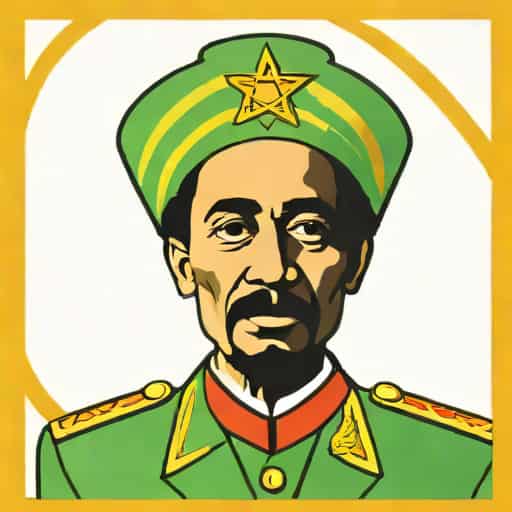
In October 1963, Emperor Haile Selassie I delivered a powerful speech to the United Nations General Assembly that became famous around the world for its plea for equality, peace, and respect for human rights. One of the most quoted passages from this address begins with the words until the philosophy which holds one race superior and another inferior, and it highlights the deep connection between racial equality and the possibility of lasting world peace. These lines have resonated far beyond the halls of the United Nations, influencing artists, activists, and global thinkers alike. In fact, parts of this speech were later adapted into the lyrics of the famous reggae song War, popularized by Bob Marley in the 1970s, which helped bring its message to an even wider international audience.
Context of the 1963 United Nations Address
Haile Selassie I, Emperor of Ethiopia from 1930 to 1974, was a key figure in promoting African unity and international cooperation during the era of decolonization. By 1963, many African nations had gained independence from colonial rule, and the struggle for human rights and racial equality was gaining momentum on the global stage. When Selassie spoke at the United Nations, he was addressing a world still grappling with the legacy of colonialism, racial discrimination, and inequality. His remarks emphasized that true peace could not exist without justice and equal rights for all people.
Why the Speech Was Important
The 1963 speech stood out because it linked fundamental human rights with the existence of peace. Instead of simply condemning injustice in broad terms, Selassie specified that peace would remain out of reach so long as discriminatory ideas and systems persisted. This focus on philosophy is a reminder that policies and actions are rooted in deeper beliefs about human worth and race. The speech did more than appeal for political change – it challenged the world to rethink deeply ingrained attitudes that sustain inequality.
Key Themes in the Philosophy of the Speech
At the core of Selassie’s message is the rejection of racial superiority and the call for universal human rights. He identified specific conditions that must be met before lasting peace could be achieved. These conditions reflect a philosophy rooted in equality, dignity, and shared humanity.
Rejection of Racial Superiority
Selassie famously stated that until the philosophy which holds one race superior and another inferior is finally and permanently discredited and abandoned, there would be war and conflict. This statement places the root of social and political conflict in discriminatory beliefs rather than in surface-level disputes. By identifying race-based philosophy as a cause of war, Selassie underscored the importance of changing how societies view human beings at the most fundamental level.
Equality of Citizens
Another central idea in the speech is the rejection of first-class and second-class citizens. Selassie pointed out that as long as people were treated differently based on their nationality, race, or skin color, peace would remain elusive. He used the phrase the colour of a man’s skin is of no more significance than the colour of his eyes to express the absurdity of judging people by physical appearance rather than shared human qualities.
Human Rights for All
Selassie connected racial equality with the guarantee of basic human rights. He emphasized that human rights must be equally guaranteed to everyone without regard to race. Only when human rights are applied universally can the vision of peace and international morality become more than an illusion. This call for universal rights aligned with the principles of the Universal Declaration of Human Rights and echoed global debates of the time about freedom, justice, and human dignity.
Impact and Legacy of the Speech
The until the philosophy passage became one of the most quoted parts of Selassie’s 1963 address. Its influence extended beyond diplomatic circles into popular culture, civil rights movements, and artistic expression. Because of its strong message against racial inequality and for peace, the text was adapted in the 1970s into the reggae song War by Bob Marley, which helped bring Selassie’s ideas to a global audience, especially among fans of reggae music and followers of the Rastafarian movement.
Connection to Bob Marley’s War
Bob Marley’s song War incorporates much of the wording from Selassie’s speech, using it as a lyrical foundation to call for an end to racism and injustice. Even though Marley adapted and repeated some lines for musical effect, the core ideas are drawn directly from Selassie’s words about equality and peace. This musical adaptation played a significant role in popularizing the speech’s message among listeners worldwide, many of whom may never have heard the original United Nations address directly.
Influence on Civil Rights and AntiRacism Movements
The message that racial superiority must be discredited before peace can be achieved resonated with civil rights activists and antiracism advocates across the world. Selassie’s speech contributed to international discussions about how racism, segregation, and discrimination breed conflict and injustice. The emphasis on universal human rights and equality helped link the struggles of newly independent African nations with broader global efforts to dismantle systemic racism and promote human dignity.
Continued Relevance in Modern Times
More than half a century after it was delivered, the core philosophy of Haile Selassie’s 1963 speech remains relevant. Debates about racial equality, human rights, and peace continue to shape global discussions today. The idea that discriminatory beliefs lead to conflict encourages people to consider how prejudice and inequality persist in modern society and what steps are needed to address them. Many educators, activists, and leaders still refer to Selassie’s words as a moral guidepost in discussions about social justice and global citizenship.
Lessons for Global Peace
One of the lasting lessons of the until the philosophy passage is that peace cannot be separated from justice. Lasting peace requires confronting and dismantling systems that treat people unequally based on race or other arbitrary characteristics. By elevating this idea on the world stage, Haile Selassie reminded the international community that peace is not simply the absence of war but the presence of equality, respect, and shared rights.
Human Rights and Unity
Selassie’s words also reinforce the idea that human rights are interconnected with unity and cooperation among nations. Peace, he suggested, depends not only on diplomatic agreements but also on the shared commitment of individuals and societies to uphold equality and dignity for all people. This vision aligns with ongoing efforts to promote international law, human rights treaties, and crosscultural dialogue that prioritizes mutual respect.
The until the philosophy passage from Haile Selassie’s 1963 United Nations speech remains a powerful articulation of the connection between racial equality, human rights, and world peace. By declaring that discriminatory philosophies must be abandoned for peace to exist, Selassie offered a timeless challenge to the global community. His words inspired artists, thinkers, and activists, and continue to encourage reflection on how equality and justice are foundational to a peaceful world. The speech’s ongoing relevance highlights the importance of confronting inequality and working toward a future where every person’s dignity is recognized and upheld.