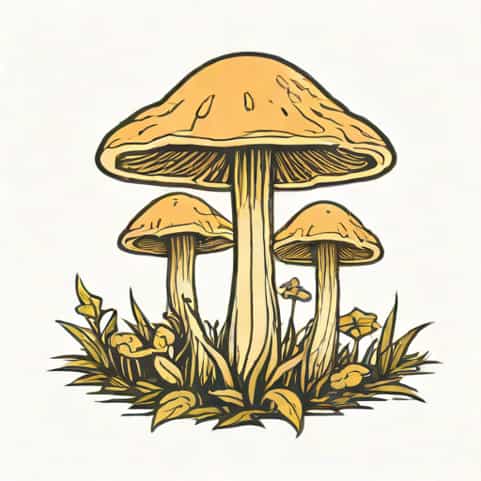
Psilocybe azurescens is one of the most potent and well-known species of psychedelic mushrooms, famous for its high concentration of psilocybin and psilocin. Often referred to as the Flying Saucer Mushroom, it has captured the interest of mycologists, psychonauts, and hobbyists worldwide. The concept of Inoculate the World is closely tied to the idea of distributing spores and promoting the growth of Psilocybe azurescens in suitable environments, aiming to expand both cultivation knowledge and access to this unique fungus. This approach combines scientific study, responsible experimentation, and a growing community of enthusiasts dedicated to understanding the species’ biology, ecological role, and effects.
Biology and Characteristics of Psilocybe azurescens
Psilocybe azurescens is native to the West Coast of the United States, particularly Oregon and California, where it grows naturally in coastal dune grasses and wood debris. The mushroom features a distinct caramel-colored cap that can reach up to 10 centimeters in diameter, often with a wavy margin. Its slender, fibrous stem is typically pale white to light brown, sometimes bruising blue when handled-a signature characteristic of psilocybin-containing fungi. The spores are dark purplish-brown, playing a critical role in the species’ reproduction and the inoculation process. Understanding these biological traits is essential for anyone interested in cultivation or ecological studies.
Psilocybin Content and Effects
Psilocybe azurescens is renowned for its high psilocybin and psilocin content, which can result in intense psychedelic experiences even in small doses. The effects of consumption include visual and auditory hallucinations, altered perception of time, introspective thinking, and a sense of spiritual connection for some users. Because of its potency, careful dosing and awareness of set and setting are crucial. Researchers and psychonauts have studied the therapeutic potential of psilocybin, linking it to mental health benefits such as reduced anxiety, alleviation of depression, and support in addiction treatment. Responsible use and education are central themes in the Inoculate the World initiative, emphasizing safety and knowledge.
The Concept of Inoculate the World
The phrase Inoculate the World represents a movement among mycologists and enthusiasts to share knowledge, spores, and cultivation techniques for Psilocybe azurescens. The goal is not only to increase access for educational and research purposes but also to encourage ecological and sustainable cultivation practices. By distributing spores and promoting cultivation, the initiative aims to foster a global community dedicated to the study and responsible use of psychedelic fungi. This concept combines traditional mycology with modern approaches, bridging the gap between hobbyists, scientists, and educators.
Cultivation Techniques
Successful cultivation of Psilocybe azurescens requires careful attention to environmental conditions and substrates. The species thrives in nutrient-rich wood chips, straw, or composted materials that mimic its natural coastal habitat. Key steps in inoculation include preparing sterile substrates, introducing spores under controlled conditions, and maintaining appropriate temperature and humidity levels for mycelium growth. Regular monitoring prevents contamination and ensures healthy fruiting. Cultivators often document their processes and results, contributing to a growing body of knowledge accessible to the global mycology community. Advanced techniques, such as the use of liquid culture or grain spawn, can increase the efficiency and success rate of inoculation.
Ecological and Environmental Impact
Psilocybe azurescens plays an important role in its ecosystem as a saprophytic fungus, breaking down organic matter and contributing to nutrient cycling. By promoting its cultivation responsibly, enthusiasts also emphasize environmental stewardship. Cultivators often use sustainable practices, avoiding chemicals and ensuring that cultivation does not negatively impact natural habitats. The Inoculate the World initiative encourages understanding of ecological balance, showing that responsible mushroom cultivation can coexist with environmental preservation. These efforts also highlight the importance of studying wild populations to ensure conservation and prevent overharvesting.
Legal Considerations
It is important to note that Psilocybe azurescens, like many psilocybin-containing mushrooms, is regulated in many countries and states. Possession, cultivation, and distribution may be illegal without proper authorization. Participants in the Inoculate the World movement often focus on spore sharing for research or educational purposes, as spores generally do not contain psilocybin. Understanding local laws and regulations is critical to ensure that activities remain legal and ethical. Advocates also promote awareness and advocacy for the potential medicinal use of psilocybin under controlled and approved circumstances.
Community and Knowledge Sharing
One of the strengths of the Inoculate the World concept is its emphasis on community engagement and knowledge sharing. Online forums, social media groups, and mycology clubs provide platforms for enthusiasts to exchange information about cultivation techniques, identification tips, and safety protocols. Collaborative research initiatives often focus on understanding the genetics, growth patterns, and ecological interactions of Psilocybe azurescens. Photos and documentation shared by members help newcomers learn best practices and gain confidence in responsible cultivation. This community-driven approach ensures that knowledge is preserved, refined, and disseminated effectively.
Educational Applications
Psilocybe azurescens and the practice of inoculation also have educational applications in biology, mycology, and pharmacology. Students and researchers can study fungal life cycles, genetic variation, and chemical composition in controlled environments. Educational programs emphasize laboratory safety, ethical considerations, and responsible experimentation. By integrating practical cultivation experiences with theoretical knowledge, learners gain a holistic understanding of both the scientific and cultural aspects of psychedelic fungi. This aligns with the broader goal of promoting informed and safe engagement with these species.
Challenges and Risks
While the Inoculate the World initiative offers numerous benefits, it also presents challenges and risks. Contamination during cultivation can lead to failed crops and wasted resources. Misidentification of mushroom species poses potential health risks, highlighting the importance of proper education and supervision. Legal risks are also significant, requiring participants to be well-informed about regional regulations. Additionally, the potent effects of Psilocybe azurescens necessitate careful handling and responsible use to avoid psychological or physical harm. Addressing these challenges through education, community support, and adherence to safety guidelines is essential for the initiative’s success.
Future Prospects
The future of the Psilocybe azurescens inoculation movement is closely tied to ongoing research, policy developments, and community engagement. Increased scientific interest in psilocybin’s therapeutic potential may lead to broader acceptance and regulation, creating opportunities for controlled cultivation and study. Advances in cultivation technology, including automation and improved environmental control, could make the inoculation process more accessible and reliable. Global collaboration among mycologists and educators ensures that knowledge continues to expand, fostering both scientific discovery and responsible recreational use. Photos and documented experiments shared in the community help track progress and inspire future innovations.
Psilocybe azurescens is a remarkable species of psychedelic mushroom with significant biological, ecological, and cultural importance. The Inoculate the World concept embodies the spirit of community, education, and responsible cultivation, promoting both scientific study and informed engagement with the species. By understanding its biology, practicing safe inoculation techniques, respecting legal frameworks, and sharing knowledge globally, enthusiasts can contribute to a thriving and responsible mycology community. As research continues and awareness grows, Psilocybe azurescens will likely maintain its status as a key species in both scientific exploration and the broader psychedelic movement, offering insights into fungal biology, ecological balance, and the responsible use of natural compounds.